Written scope
Clear line items before work begins
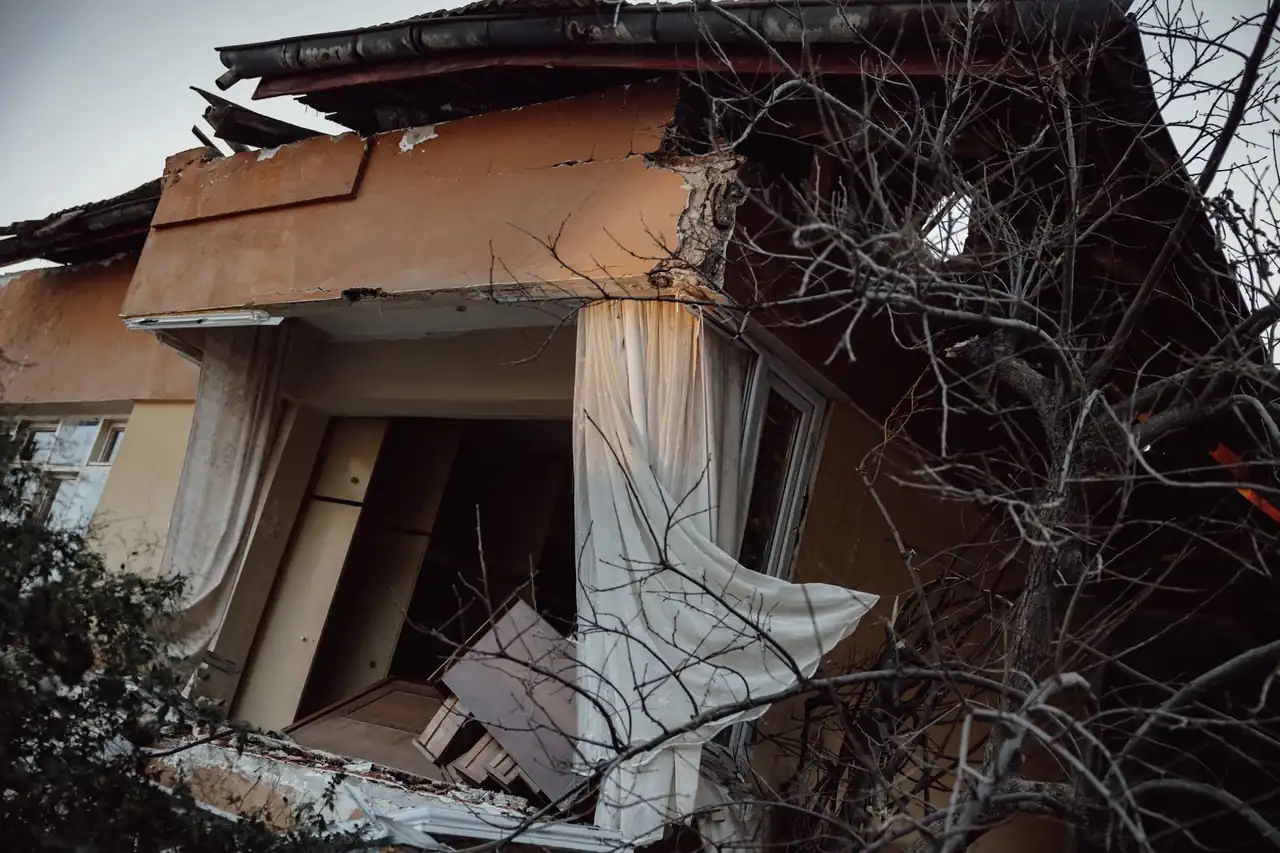
Water Heater Leak Water Removal Homestead FL is the service you call when a tank, supply line, or T&P valve lets go and water spreads across your floor. We handle hot water heater leak cleanup in Homestead for homeowners, landlords, and property managers, from single-family homes near Krome Avenue to condos in Keys Gate. A leaking water heater can dump 40 to 80 gallons before you notice. We extract standing water, dry the structure, and document everything for your insurance claim.

Every job includes the core steps that stop damage and get your structure dry. We tell you upfront what is included and what would be an add-on, like mold remediation or plumbing repair. You get a written scope before we start.
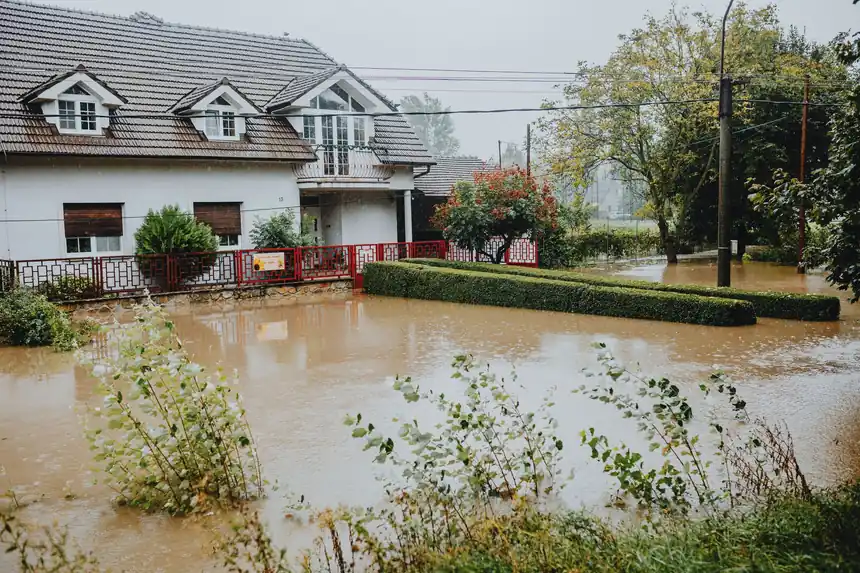
We handle water heater leaks in single-family homes, duplexes, and condos across Homestead. You get extraction, drying, and documentation without having to chase a contractor.
We work with restaurants, salons, offices, and property managers on the US-1 Corridor and throughout Homestead. Fast extraction keeps your doors open and your liability low.
Water Heater Leak Water Removal Homestead FL is a controlled process: we shut off the water supply and power, extract standing water with a commercial vacuum, then dry the slab, drywall, and any carpet padding using air movers and a commercial dehumidifier. A 40-gallon tank can release 40 to 80 gallons before the leak stops. We use a moisture meter and thermal imaging camera to map how far water traveled under tile, into baseboards, and behind cabinets. Most jobs take two to four hours of extraction, then two to four days of drying with daily moisture readings.
Homestead homes face specific water heater risks. Many houses were built with water heaters in garages or utility closets, and the limestone and sandy soil under slabs drains unevenly. A slow drip from a T&P valve or a corroded fitting can soak a wood subfloor for weeks before you see it. If you search for water heater leak removal near me Homestead, you want a crew that knows how slab leaks, appliance leaks, and storm-season humidity interact. We also handle water heater leak water damage repair Homestead customers call about after a tank fails during a cold snap or before a holiday.
Water from a failed heater spreads fast, so we extract first and dry to standard.
Every job follows the same five steps. You will know what is happening, what it costs, and when we expect the structure to be dry.
You call (786) 982-0231 and describe the leak. We ask you to shut off the water heater breaker and the supply valve if you can reach it safely. We give you a same-day arrival window and tell you what to move away from the wet area, like electronics, cardboard boxes, and rugs.
We inspect the water heater, supply lines, and T&P valve, then trace water with a moisture meter and thermal imaging camera. A bore scope camera checks inside walls when water has traveled behind baseboards. This step takes 20 to 40 minutes and tells us exactly how far the water went.
We extract standing water with a commercial vacuum, pull up soaked carpet padding, and remove drywall that is wet above the flood cut line. Saturated insulation and absorbent pads go into bags. This is the messy part, and we protect your floors and doorways while we work.
We set air movers and a commercial dehumidifier, then check moisture readings every day. Most Homestead jobs dry in two to four days. We adjust equipment placement as the readings drop and keep you updated on progress each morning.
We take final moisture readings, confirm the structure is dry, and walk you through what was done. You get photos, a drying log, and a written scope. If you need a plumber to replace the water heater, we can point you to a state-licensed plumbing contractor.

Pulls moisture out of the air so wet drywall, wood subfloor, and carpet padding can dry. We run Dri-Eaz and Phoenix Restoration Equipment units because they hold up in South Florida humidity.

Circulates air across wet surfaces to speed evaporation. We position them to dry wall cavities, baseboards, and floors without damaging the finish.

Measures moisture in drywall, wood, and concrete, and tracks humidity in the air. We record readings daily so we know when the structure is actually dry.
Finds hidden water behind walls and under floors by reading temperature differences. It shows us where a water heater leak traveled before we cut anything open.
Removes standing water from carpet, tile, and concrete. For a 40-gallon tank failure, this is the fastest way to get 40 to 80 gallons out of the house.
Lets us look inside wall cavities without a large cut. We use it to check for moisture and mold growth behind baseboards after a water heater leak.
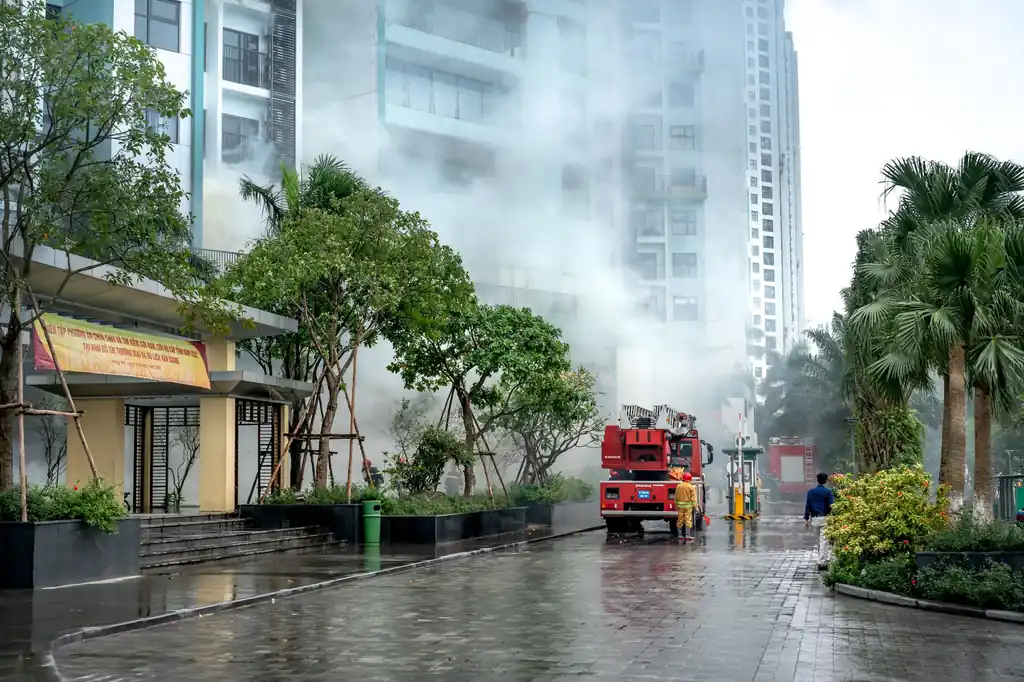
Draws moisture out of hardwood floors and dense materials that air movers cannot dry alone. We place them on warped floors and monitor with a moisture meter.
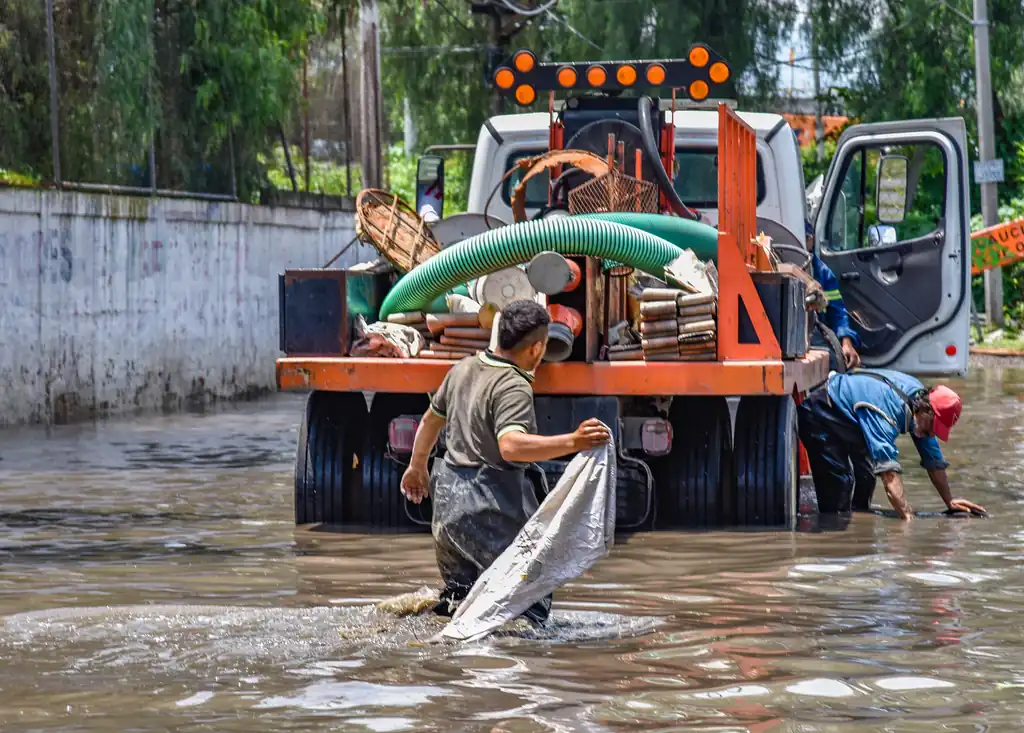
We follow the IICRC S500 standard for water damage restoration. It sets the drying goals, moisture readings, and documentation we use on every water heater leak job, so the work is consistent and defensible for insurance.
Call (786) 982-0231. We dispatch a crew with a water extraction vacuum and start pulling water immediately. We check how far it traveled with a moisture meter and set drying equipment the same visit. Standing water is gone within a few hours, and the drying equipment is running before mold has a chance to start.
We inspect the water heater, trace the moisture with a thermal imaging camera, and dry the affected area. If the subfloor is wet, we set drying mats and monitor daily. You catch a small leak before it becomes a $5,000 floor replacement. The area is dry and documented.
We handle the extraction, drying, and documentation, and we coordinate with the tenant on access. You get photos and a written scope for your records and your insurance. The unit is dry, the tenant is informed, and you have the paperwork you need without driving across Miami-Dade County.
We treat the whole job as contaminated water. We extract, remove damaged materials, apply antimicrobial solution, and dry the structure with a commercial dehumidifier and air movers. The combined storm and water heater damage is handled in one scope, and you get documentation for a single insurance claim.
Homestead sits in Miami-Dade County, and the building stock here shapes how we handle water heater leak cleanup. Many homes are slab-on-grade with the water heater in the garage or a utility closet. When a tank fails, water spreads across the slab and into the hallway before it finds a drain. We use a moisture meter and thermal imaging camera to trace it, because limestone and sandy soil under the slab do not drain evenly. During hurricane season, humidity slows drying, so we run a commercial dehumidifier longer than we would in a drier climate. If you search for 24/7 hot water heater leak cleanup Homestead, you want a crew that knows these houses. We also work with Florida DBPR licensed contractors and follow Florida mold assessor and remediator licensing rules when a job crosses into mold work. Whether the leak is in a 1970s home near Historic Downtown Homestead or a newer build in Waterstone, we adjust the drying plan to the structure.
A 50-gallon water heater ruptured overnight and released roughly 50 gallons across the garage slab and into the laundry room. Carpet padding in the hallway was soaked, and the baseboard on the shared wall read 28 percent moisture on our meter.
We extracted the standing water, removed the wet carpet padding, and cut the baseboard to dry the wall cavity. After four days of air movers and a commercial dehumidifier, the wall read 11 percent and the slab was dry. The homeowner filed a claim with our Xactimate scope.
Replace the water heater anode rod every three to five years and check the T&P valve annually. A $20 anode rod is cheaper than another extraction job.
A corroded T&P valve dripped for weeks before the homeowner noticed a dark stain on the baseboard. The thermal imaging camera showed moisture behind the wall and under the engineered hardwood. The subfloor read 24 percent on our moisture meter.
We dried the wall cavity with air movers, set drying mats on the hardwood, and ran a dehumidifier for three days. The subfloor dropped to 10 percent and the hardwood did not cup. The homeowner replaced the valve with a state-licensed plumbing contractor.
Test the T&P valve twice a year by lifting the lever and letting it snap back. If it drips after that, replace it before it soaks your wall again.
A tenant called about water in the utility room and hallway of a duplex. The water heater had failed at the bottom fitting and released about 30 gallons. The vinyl plank flooring was wet and the drywall behind the unit read 22 percent.
We extracted the water, removed the wet drywall section, and dried the wall and floor for three days. The final moisture reading was 9 percent. The landlord received photos and an Xactimate scope, and the tenant stayed in the unit.
Flush the water heater tank once a year to remove sediment. Sediment buildup is the most common reason a tank fails at the bottom fitting.
A water heater leak creates a chain of problems. Fix the water first, then the moisture, then the mold risk. Here is what we handle.
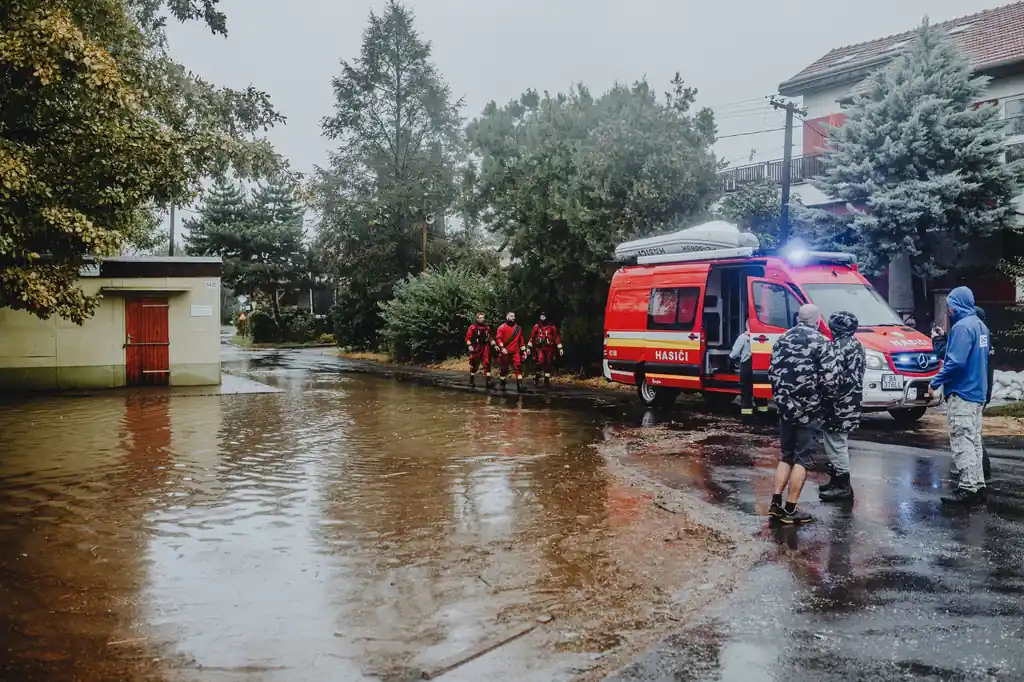
We extract standing water with a commercial vacuum and a sump pump, then check the slab with a moisture meter. For a 40-gallon tank failure, we often remove 40 to 80 gallons in the first hour, which stops the spread into adjacent rooms. Water follows the floor slope into bedrooms, closets, and hallways. The longer it sits, the more carpet, padding, and drywall it ruins, and the higher your repair bill climbs.

We use a thermal imaging camera and bore scope camera to find hidden moisture, then dry the wall cavity with air movers. If the drywall is too wet, we cut and remove the damaged section and document it for your claim. Water wicks up drywall and behind baseboards. If it stays wet, the drywall crumbles, the paint peels, and mold can start growing in 24 to 48 hours.
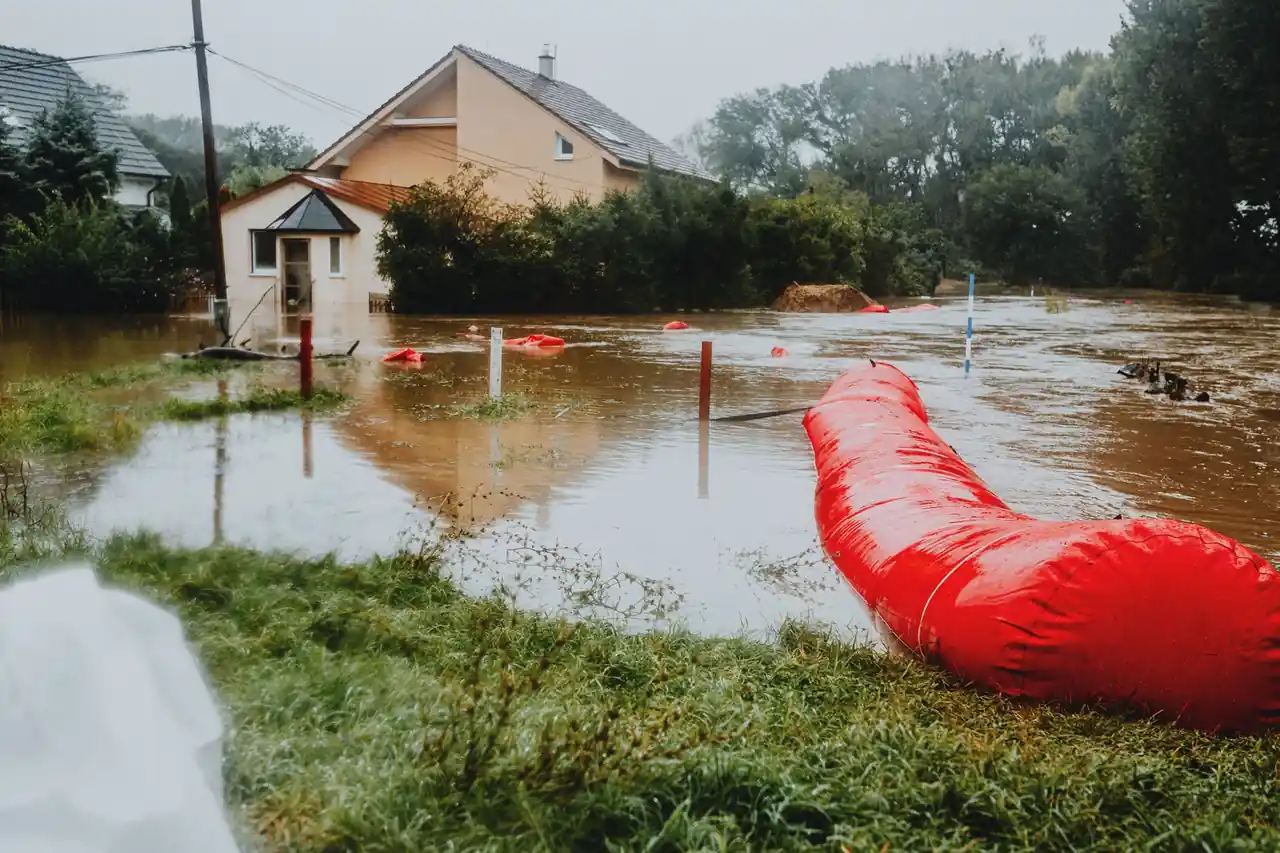
We extract the water, set drying mats on the hardwood, and run a commercial dehumidifier. We check the subfloor with a moisture meter daily. Some floors dry flat; others need replacement, and we tell you which after the first readings. Hardwood cups and warps when it stays wet. The wood subfloor underneath can rot, and the damage often costs more than the visible flooring.
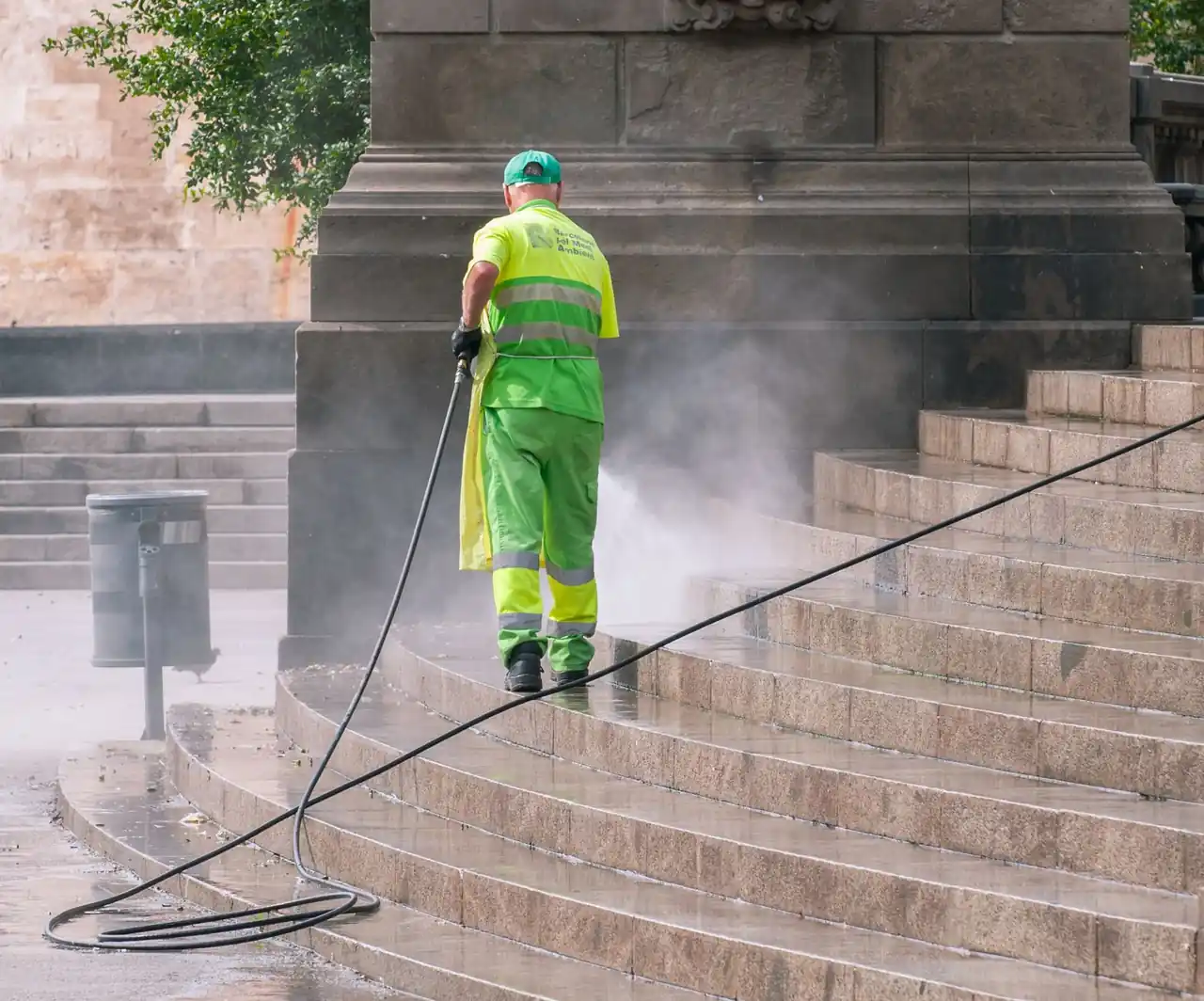
We dry fast and take daily moisture readings to confirm the structure is dry. If we find mold growth, we follow Florida mold assessor and remediator licensing rules, set containment, and apply antimicrobial solution before we finish. Mold can colonize wet drywall and carpet padding within two days. Once it spreads, you are looking at remediation, not just drying, and the cost goes up.
We arrive with a water extraction vacuum and start pulling water within minutes of walking in. For a typical 40-gallon tank failure, we remove 40 to 80 gallons of standing water and check the slab with a moisture meter before we leave. That first hour is what stops the damage from spreading into bedrooms and hallways.
Mold can start growing on wet drywall and wood subfloor in 24 to 48 hours. We set a commercial dehumidifier and air movers to pull moisture out of the structure, not just the surface. Daily hygrometer readings tell us when the drywall and carpet padding are actually dry, so we do not stop too early.
We photograph the leak point, moisture readings, and affected materials, then build a scope in Xactimate. That format is what most carriers want. You get a clear record of what was wet, what we removed, and what we dried, which makes your claim easier to settle without back-and-forth.
We work in Homestead, Florida City, Leisure City, and Naranja. We know which neighborhoods have slab-on-grade construction, which have crawl spaces, and how hurricane season humidity slows drying. That matters when we decide how many air movers to set and how long to run the dehumidifier.
Typical 2026 pricing for water heater leak water removal in Homestead runs $350 to $1,200 for extraction and drying, and more if we remove drywall, carpet padding, or hardwood. A small garage leak with a wet slab is on the low end. A leak that reaches a bedroom, hallway, and closet is higher. We give you a written scope before we start, and we build it in Xactimate if you are filing a claim. There are no surprise add-ons after the work begins.
What your estimate is based on
$350 - $1,200 for most residential extraction and drying jobs, with larger scopes priced after inspection The cost of extraction and drying is almost always less than replacing a floor, subfloor, and drywall after mold sets in. Fast drying protects the structure and gives you documentation for your claim.
Clear records you can keep and share.
Clear line items before work begins
Daily moisture readings and equipment notes
Images of the leak point and affected materials
A water heater leak is not just a wet floor. Water travels under tile, into wall cavities, and through carpet padding, and it can feed mold within two days.
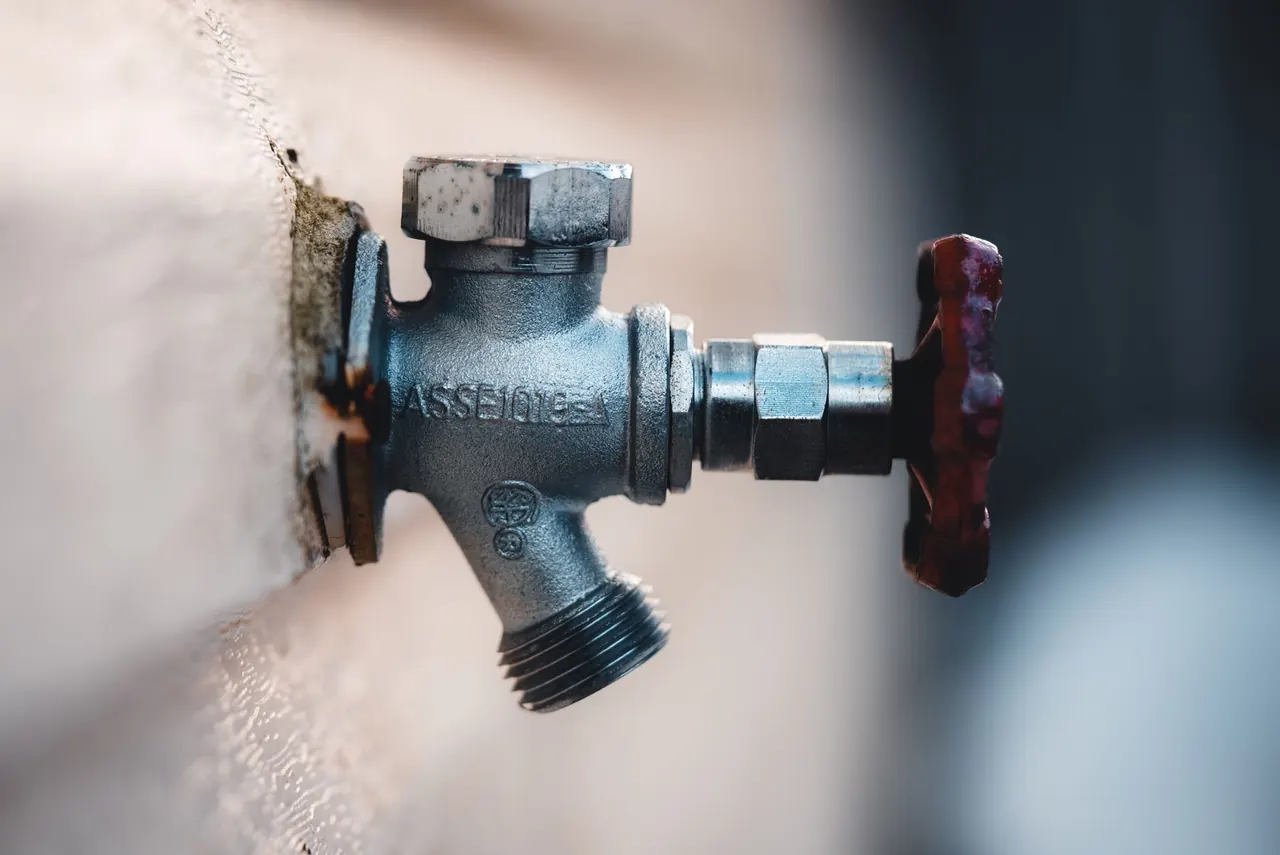
Turn off the breaker and the cold-water supply valve on top of the tank. If you cannot reach the valve safely, leave it and call us.
Water follows the floor slope and wicks up drywall. A leak in the garage can soak a bedroom wall before you see a stain.
Extraction takes hours, but drying drywall and subfloor takes two to four days. We monitor with a moisture meter until the readings are dry.
Not sure if we cover your street? Call and ask. (786) 982-0231
Most residential water heater leak jobs in Homestead run $350 to $1,200 for extraction and drying, depending on how far the water spread and whether we remove drywall or carpet padding. A small garage leak with a wet slab may be on the low end. A leak that soaked into a bedroom and hallway is higher. We give you a written scope before we start, and we build it in Xactimate if you are filing a claim.
Shut off the water heater breaker and the cold-water supply valve on top of the tank, then call (786) 982-0231. Move electronics, rugs, and cardboard away from the wet area. Do not run a shop vac on a wet floor near the tank if there is any chance the power is still on. We walk you through the safe steps on the phone and send a crew with a water extraction vacuum.
Homestead Water Damage Pros handles hot water heater leak cleanup in Homestead, Florida City, Leisure City, Naranja, and Princeton. We are a local water damage restoration company, not a national call center. When you call, you reach a crew that knows Miami-Dade County building stock and can be at your door the same day with extraction and drying equipment.
Yes. Mold can begin growing on wet drywall and wood subfloor in 24 to 48 hours, and South Florida humidity speeds that up. That is why we dry with a commercial dehumidifier and air movers and take daily moisture readings. If we find mold growth behind a baseboard or inside a wall, we follow Florida mold assessor and remediator licensing rules and bring in the right containment and antimicrobial solution.
Water from a failed water heater spreads fast. We answer the phone around the clock, dispatch a crew with extraction equipment, and give you a written scope before we start. Call (786) 982-0231 and we will get your floor dry.
Call us any time at (786) 982-0231 or email info@homesteadwaterdamagepros.com. We answer the phone 24/7 and can usually have a crew at your door within the hour for emergencies. If you have a scheduled job or just want a quote, we will get back to you same day.