Written scope
Room-by-room list of affected materials
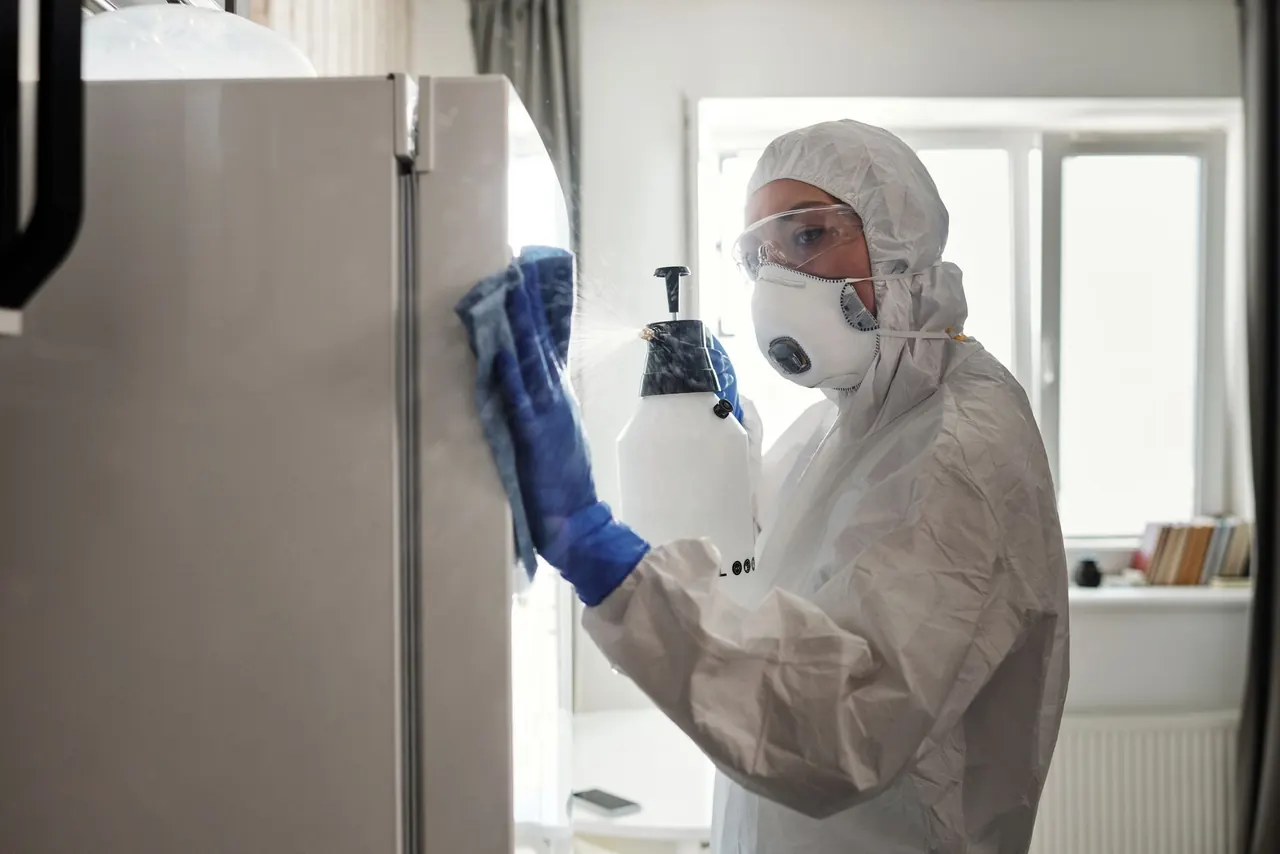
Plumbing Leak Water Damage Cleanup Homestead FL is what we do when a supply line, drain, or appliance hose lets go inside your home. We handle emergency plumbing leak cleanup Homestead FL for homeowners, landlords, and property managers from Keys Gate to Redland. Water spreads under tile and into wall cavities within minutes, so we roll with extraction and drying gear the same day you call.
Every job starts with the same core scope: find the water, stop it, extract it, dry the structure, and document the loss. Add-ons like mold remediation or drywall repair are quoted separately once we see what the moisture readings show.
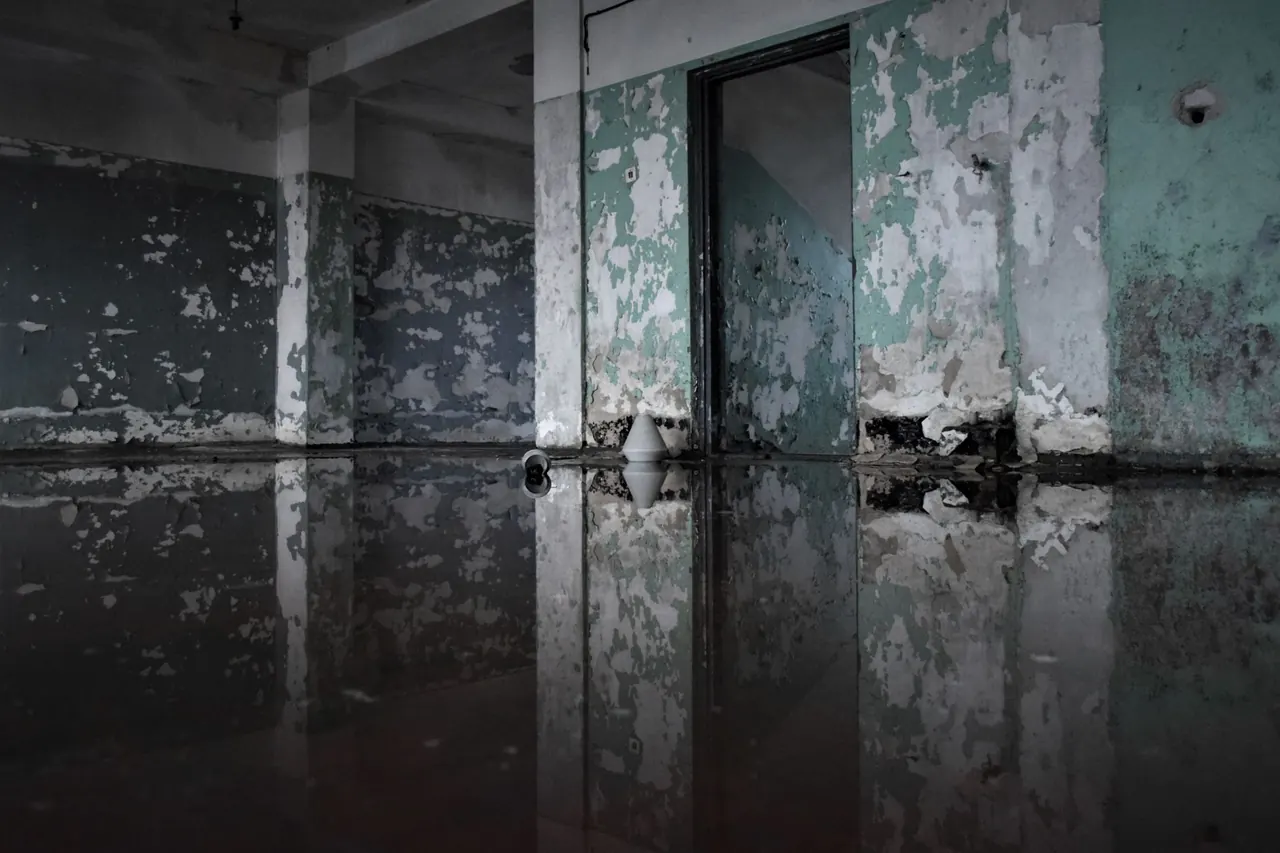
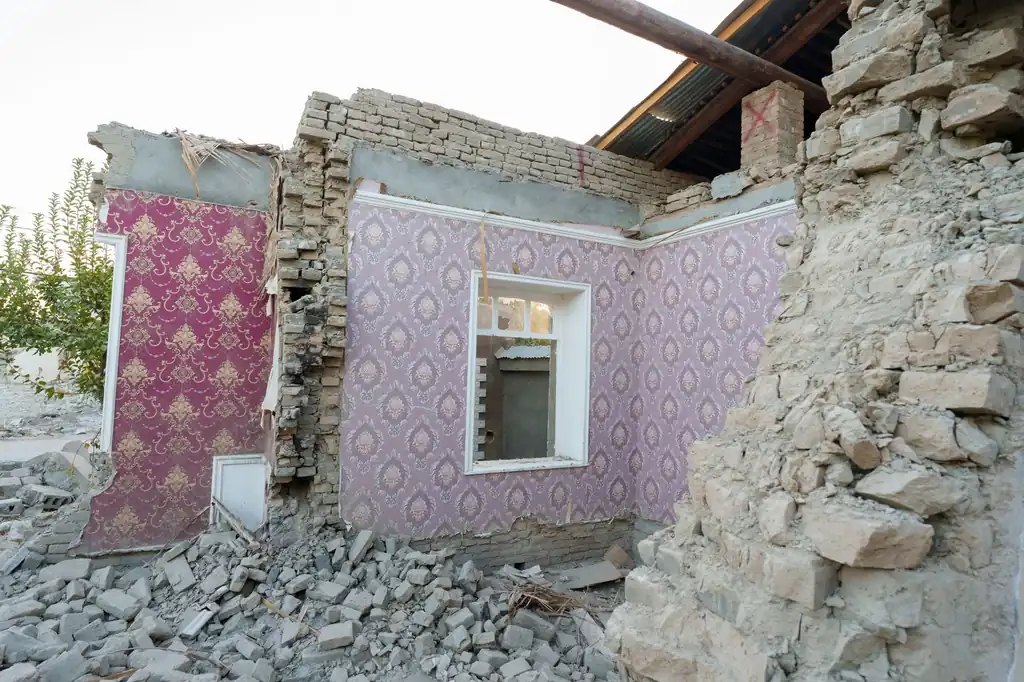
We handle leaks from supply lines, drains, water heaters, and appliances in houses, townhomes, and condos. You get extraction, drying, and a written record of what was wet.
We work in restaurants, retail spaces, offices, and multi-unit properties where a leak can close a room or a whole floor. We schedule around your operating hours.
Plumbing Leak Water Damage Cleanup Homestead FL is the process of stopping an active water source, extracting standing water, and drying the structure before mold and rot take hold. It is not a mop-and-fan job. A pinhole leak behind a cabinet can push 2 to 10 gallons per day into drywall, insulation, and the wood subfloor. We use moisture meters and a thermal imaging camera to map the wet zone, then place commercial dehumidifiers and air movers to pull humidity down to a safe equilibrium.
Homestead homes face a specific mix of risks. Much of the housing stock is concrete block with slab-on-grade floors, so a slab leak or burst pipe under the slab can wick water up through the concrete and into flooring before you see a puddle. Older copper lines in Historic Downtown Homestead corrode, and newer PEX fittings at appliance connections fail without warning. That is why we treat every pipe leak water cleanup Homestead FL call as a hidden-moisture investigation first, not just a visible-water cleanup.
Find the water, stop it, dry the structure, and prove it with readings.
Every job follows the same five stages. You will know what is happening, what it costs, and what comes next before we start.
You call (786) 982-0231 and describe what you see. We ask where the water is, whether it is still running, and whether you have shut off the main. If you have not, we walk you through it. We schedule the soonest available window and tell you what to move out of the wet zone.

On arrival we confirm the source is stopped, then walk the affected area with a moisture meter and thermal imaging camera. We check behind baseboards, under cabinets, and inside wall cavities with a bore scope camera. You get a clear picture of how far the water traveled, not just where the puddle sits.
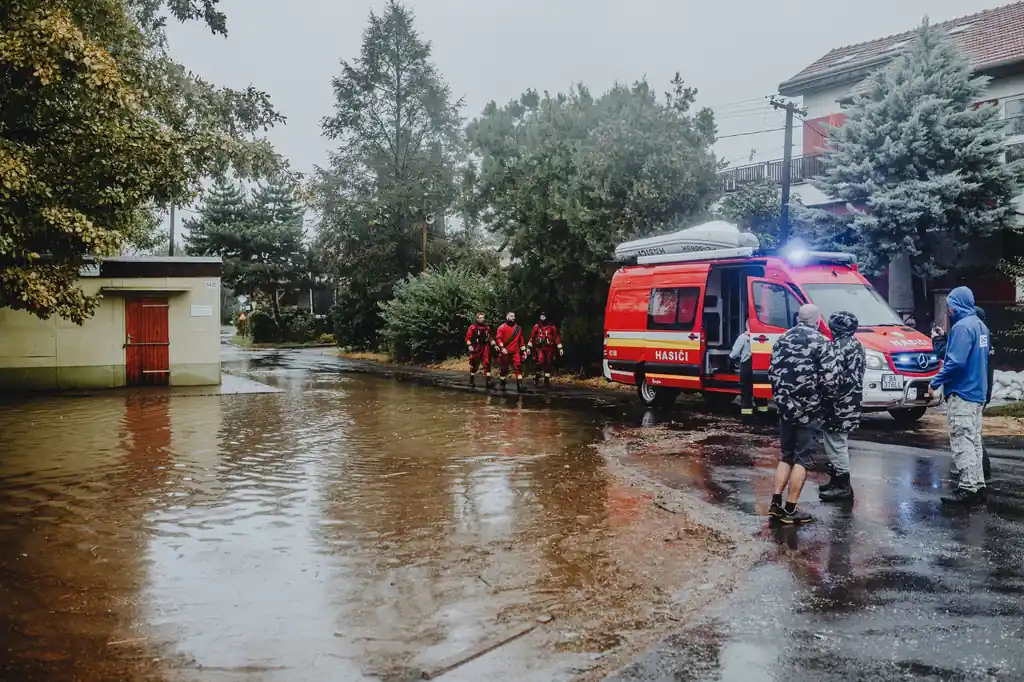
We pull standing water with a water extraction vacuum, then use drying mats on hardwood and absorbent pads under appliances. Carpet padding that is saturated gets removed and bagged. This stage usually takes one to three hours depending on square footage and how long the leak ran before you caught it.

We set Dri-Eaz or Phoenix Restoration Equipment dehumidifiers and air movers to dry drywall, wood subfloor, and insulation. Desiccant dehumidifiers go in when humidity is extreme. We monitor with a hygrometer and infrared thermometer each day and adjust equipment placement until readings are stable.
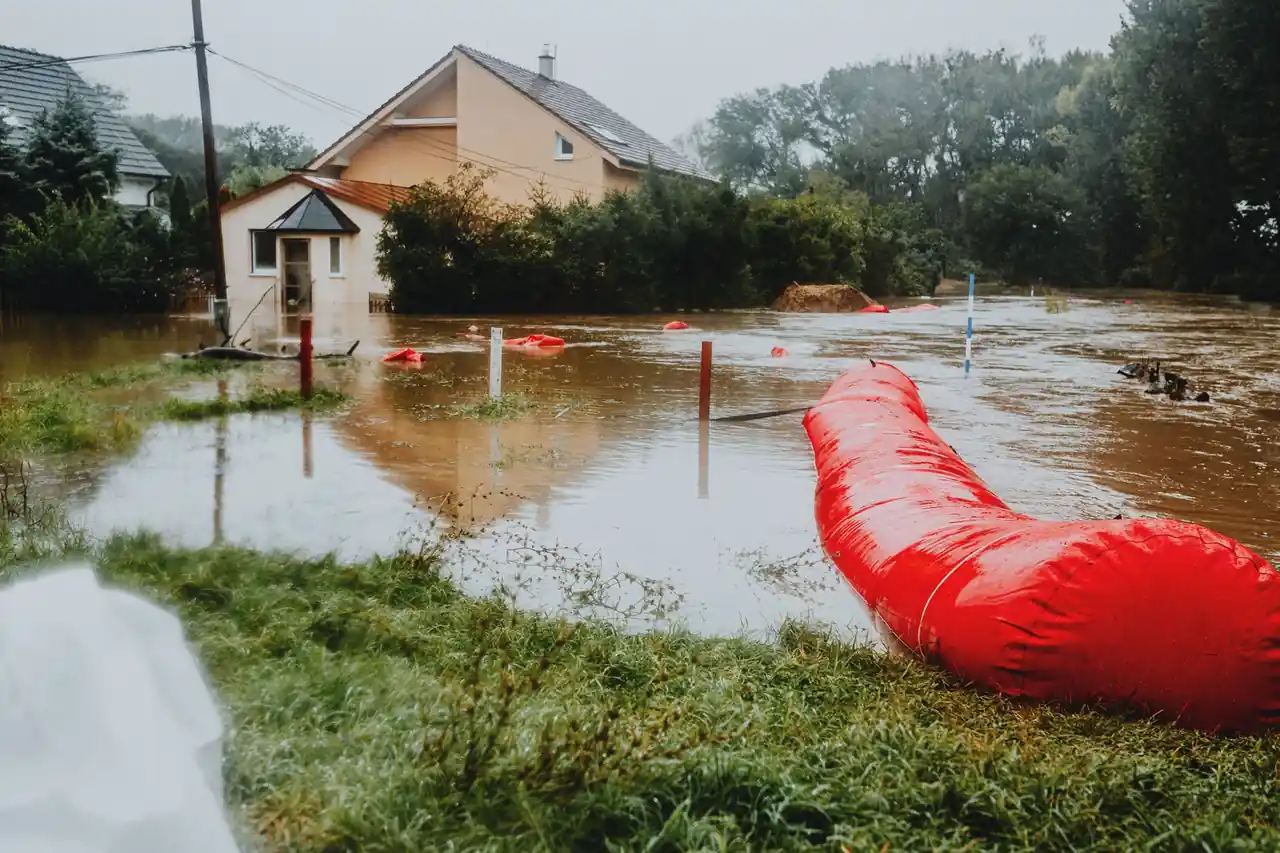
Before we pull equipment, we re-check every affected material with a moisture meter. You get a drying report with daily readings, photos, and a summary of what was dried and what was removed. If a repair is needed, we tell you what trade to call and what to ask for.
Finds temperature differences caused by evaporating moisture behind walls and under floors. We use it to map the wet zone before we open anything.
Measures moisture content in drywall, wood, and concrete, and tracks humidity in the air. We log readings daily to confirm drying progress.
Lets us look inside wall cavities and under cabinets without cutting a large hole. We confirm where water traveled and whether framing is wet.
Pulls standing water out of carpet and hard surfaces. We follow with drying mats and absorbent pads to reach water below the surface.
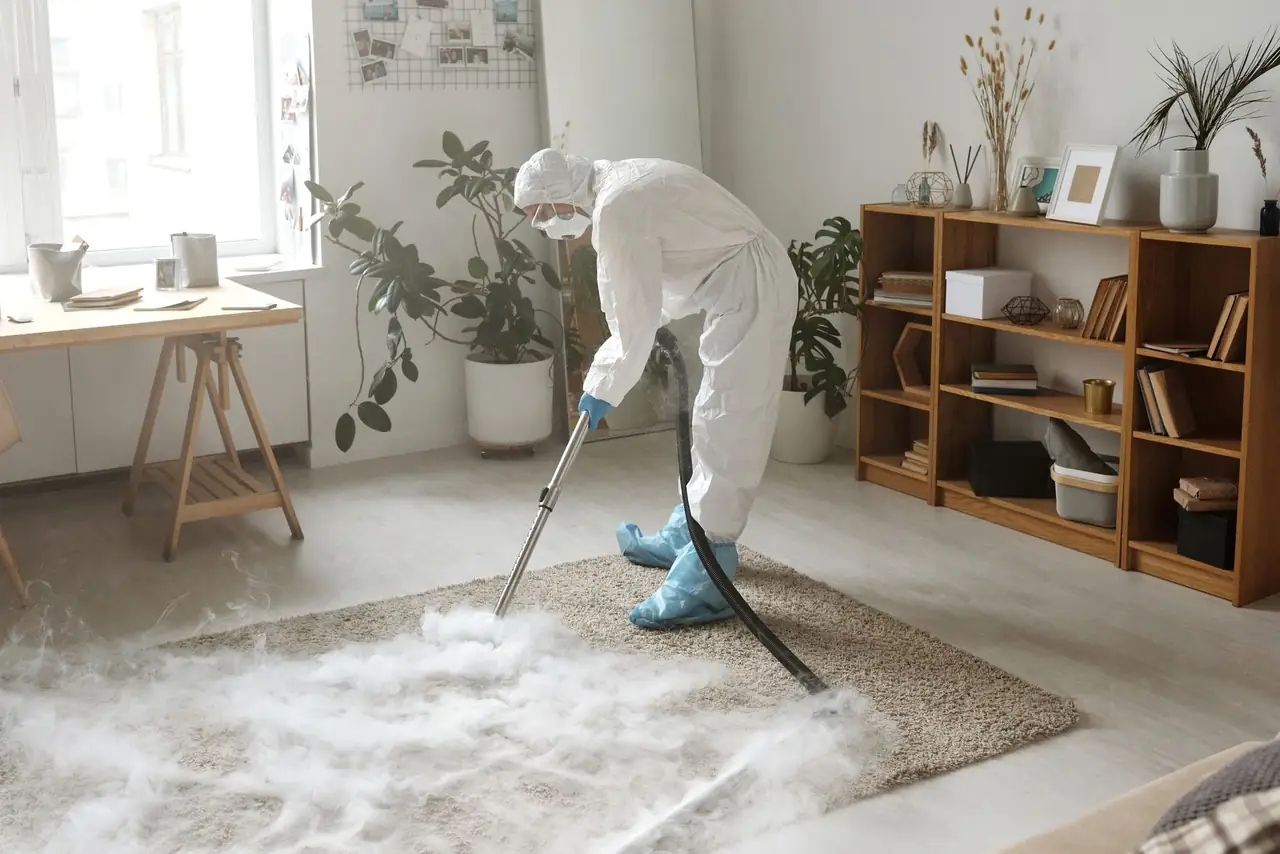
Removes moisture from the air so wet materials can release it. We use Dri-Eaz and Phoenix Restoration Equipment units sized to the room.
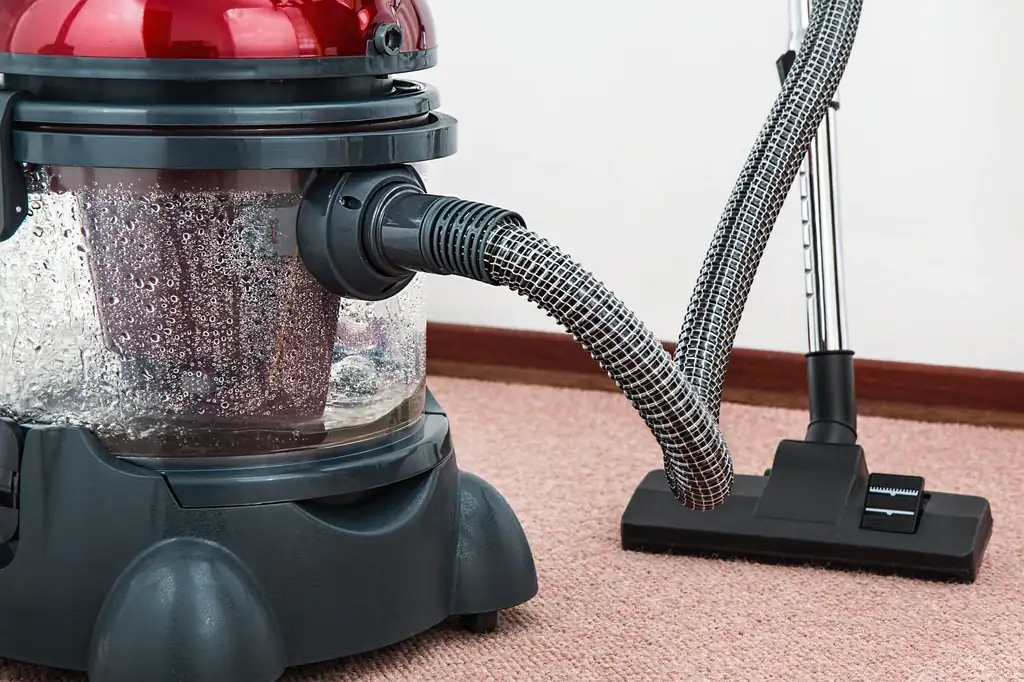
Moves high-volume air across wet surfaces to speed evaporation. Placement changes daily based on moisture readings.
Checks surface temperatures to spot cool areas that indicate hidden moisture. Useful on ceilings and behind baseboards.
The industry standard for water damage restoration. It defines how we classify water, set drying goals, and verify that materials are dry before we remove equipment.
We shut off the supply, extract the water, and remove the cabinet floor if it is saturated. Air movers dry the cabinet and the wall behind it, and we check the subfloor with a moisture meter before calling it done. Cabinet base dries to stable readings in two to three days, and you avoid mold growing behind the cabinet.
We inspect with a moisture meter and thermal imaging camera to find the wet zone, then isolate the affected area. If the source is a slab leak, we coordinate with a licensed plumber while we dry what is already wet. You know exactly where the leak is and what it damaged, and drying starts the same day.
We extract water from both floors, open the ceiling where needed, and dry the joists and insulation. A moisture meter confirms when the assembly is dry enough to patch. Ceiling and joists dry without a full tear-out, and the repair is ready within a week.
We extract standing water, remove saturated carpet padding, and set commercial dehumidifiers to pull humidity out of the air. Antimicrobial solution goes on framing that was touched by storm water. The room is dry and documented for your insurance claim, and you avoid the mold that follows storm flooding.
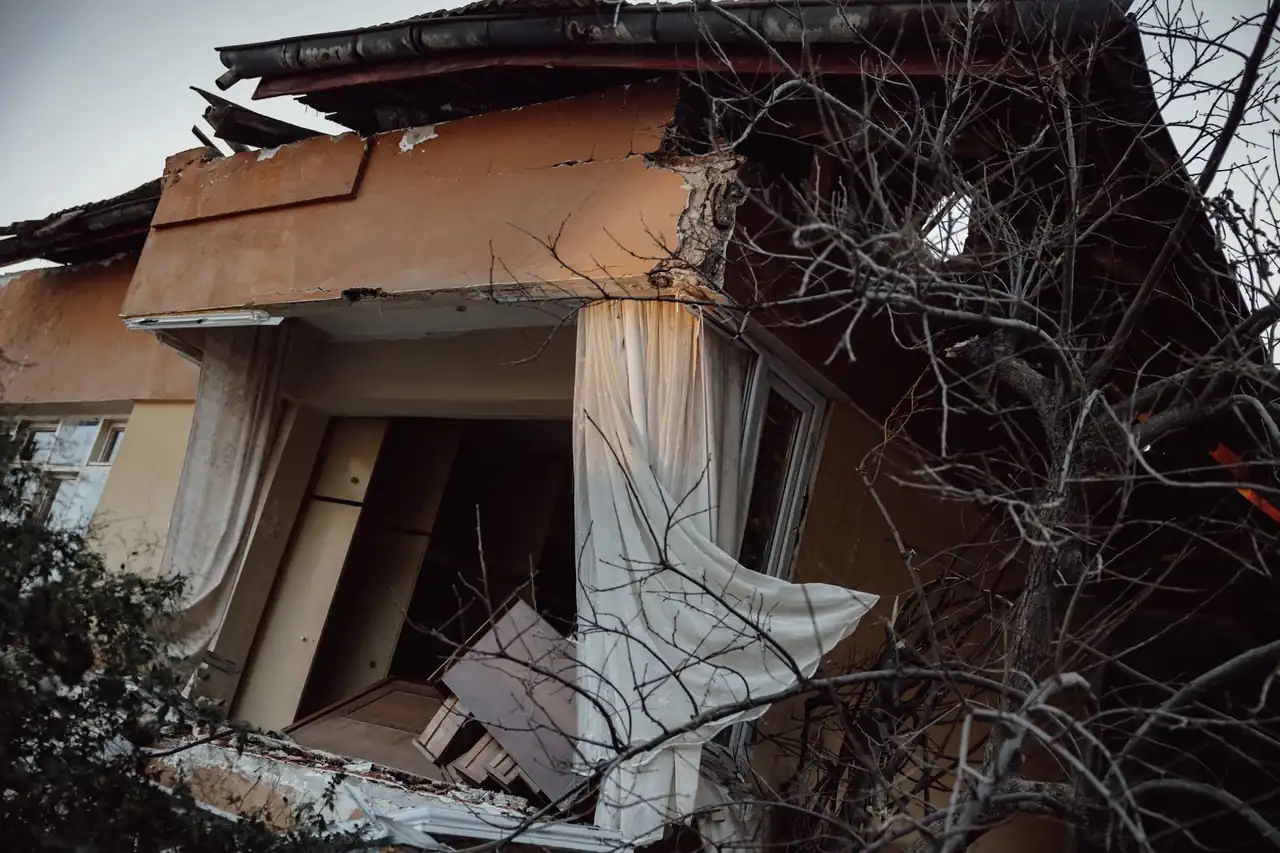
Homestead sits on limestone and concrete, and most homes are slab-on-grade with concrete block walls. That construction changes how water behaves. A slab leak can wick moisture up through the concrete and into tile adhesive or hardwood for weeks before you see a stain. We check slab edges and baseboards with a moisture meter on every call. The climate adds another layer: summer humidity stays high, so a wet wall that would dry in two days in a drier state can take four or five here. We size dehumidifiers for that reality and run them longer when readings call for it. Storm season brings its own problems. After a heavy October rain or a hurricane, water pushes through sliding doors and garage thresholds in low-lying areas like Leisure City and the Florida City Border Area. We treat storm-driven water differently from a clean supply line leak, because contamination changes what can be saved. If you are searching for emergency plumbing leak water removal Homestead FL after a storm, tell us where the water came in so we bring the right antimicrobial products and protective gear.
A refrigerator ice maker line cracked overnight and soaked the cabinet base, toe kick, and about 40 square feet of tile. The homeowner found standing water the next morning and called us before the subfloor warped.
We extracted the standing water, pulled the fridge, and dried the cabinet base and subfloor over three days. Moisture readings dropped from 22 percent to 9 percent. The cabinet was saved and the floor needed no replacement.
Replace the ice maker line every five years and check the connection behind the fridge twice a year. A $15 hose is cheaper than a cabinet rebuild.
Water was coming up through the tile in a back bedroom. The homeowner thought it was a roof leak until a moisture meter showed the slab was the source. About 120 square feet of flooring was affected.
We mapped the wet zone with thermal imaging, extracted surface water, and dried the room with dehumidifiers and air movers for four days. The tile stayed in place and the subfloor dried to stable readings.
Watch your water bill for spikes and check for warm spots on the floor. If a slab leak returns, call a licensed plumber before the flooring is affected again.
A washing machine supply hose failed in an upstairs unit and water came through the ceiling of the unit below. Both floors had standing water and the ceiling drywall was sagging.
We extracted both floors, removed saturated carpet padding, and opened the ceiling to dry the joists. Drying took five days. The ceiling was ready for patch and paint, and the tenant moved back in within a week.
Replace rubber washing machine hoses with braided steel lines and shut off the supply when you leave for more than a few days.
Most plumbing leaks do not announce themselves. By the time you see water, the damage is already inside the wall or under the floor. Here is what we fix.

We use a thermal imaging camera and bore scope camera to find the wet zone without tearing out the whole wall. Then we dry the cavity with injection drying and air movers, and apply antimicrobial solution where needed. Drywall and insulation stay wet for weeks, creating musty odor and mold growth that spreads into living spaces.
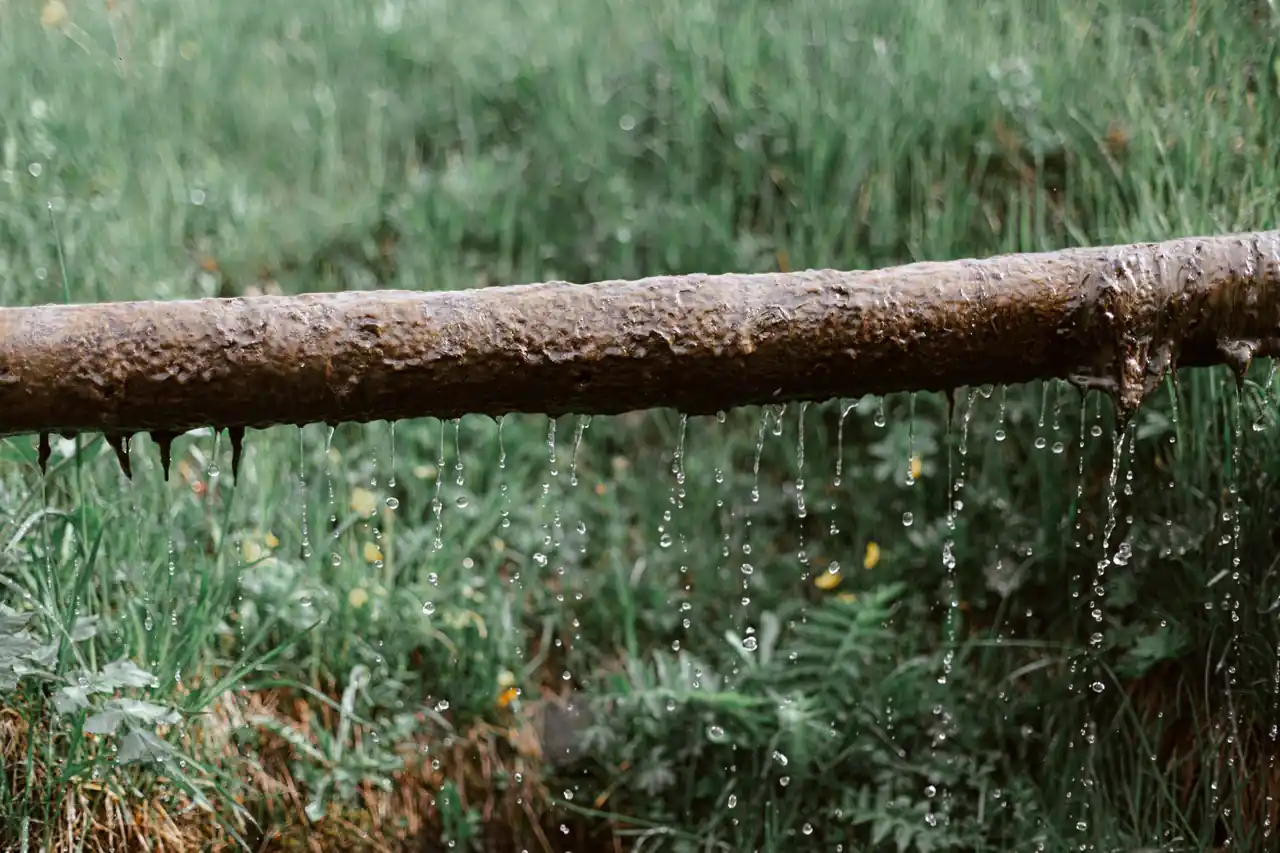
We confirm the leak location with moisture readings and thermal imaging, extract surface water, and dry the flooring and subfloor. If the slab itself is the source, we tell you what a licensed plumber needs to do before we can finish drying. Water under the slab can keep floors damp for months, warping hardwood and loosening tile adhesive.
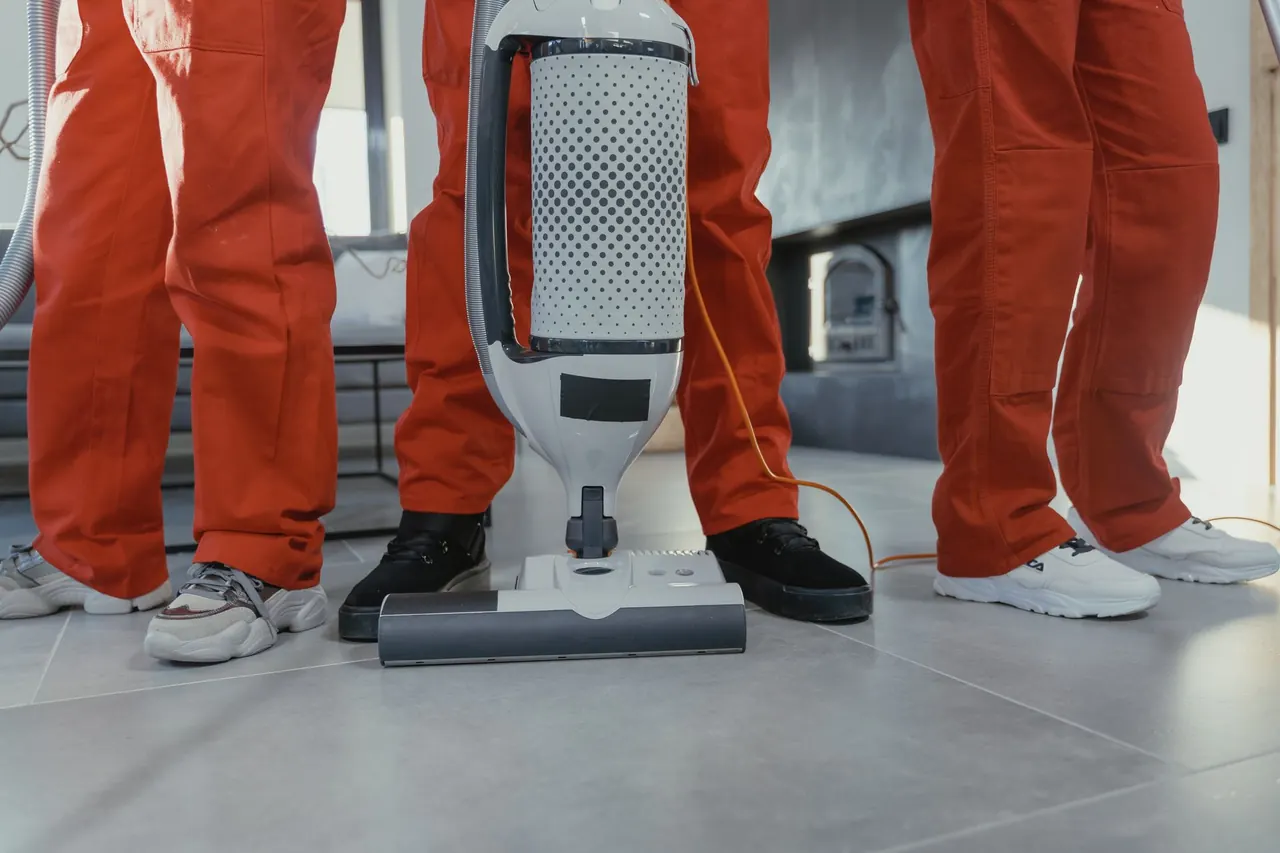
We extract standing water, pull the appliance if needed, and dry the cabinet base and wall behind it. We check the toe kick and subfloor with a moisture meter so nothing is left wet under the unit. A washing machine or refrigerator line can release 30 to 50 gallons before anyone notices, soaking cabinets and subfloor.

We remove affected carpet padding, apply antimicrobial solution to the framing and subfloor, and dry the bathroom and adjacent room. Materials that cannot be saved are bagged and hauled out. Overflow water can carry bacteria and soak into baseboards, carpet, and the subfloor around the flange.
Water travels through grout lines, baseboards, and wall cavities faster than most people expect. We arrive with a water extraction vacuum and drying mats to pull standing water out of carpet, tile, and hardwood before it reaches the next room. Most residential jobs are extracted within the first two hours on site.
A floor can feel dry and still hold 18 to 25 percent moisture in the subfloor. We set commercial dehumidifiers and air movers, then check readings daily with a hygrometer until materials hit target dryness. That is how we prevent warped hardwood floors and mold growth after a plumbing leak water removal Homestead job.
We photograph affected materials, log moisture readings, and write a room-by-room scope you can hand to your adjuster. If your carrier uses Xactimate, our line-item format matches what they expect. That paperwork is often the difference between a smooth claim and a denied one after emergency plumbing leak cleanup Homestead FL.
Family photos, wood furniture, and original hardwood can often be saved if drying starts within 24 to 48 hours. We use polyethylene sheeting and absorbent pads to isolate wet zones, and we lift furniture onto drying mats. When materials are too far gone, we tell you straight instead of drying something that will fail.
Typical 2026 pricing in Homestead runs $1,200 to $4,500 for residential plumbing leak water removal Homestead jobs, depending on how much water escaped and what materials got wet. A small appliance leak with carpet extraction sits near the low end. A slab leak that soaked drywall and subfloor across multiple rooms pushes toward the high end. We give you a written scope before work begins, and we tell you what your insurance is likely to cover.
What your estimate is based on
$1,200 - $4,500 depending on scope Drying a structure correctly the first time costs less than replacing flooring, cabinets, and drywall after mold takes hold. Our documentation also gives your adjuster what they need to process the claim without delays.
Clear records you can keep and share.
Room-by-room list of affected materials
Daily moisture readings with dates
Before, during, and after images
The source has to be stopped before drying can work. If water is still running, drying equipment will fight a losing battle.
Find your main shutoff before a leak happens. If you cannot stop the water, call a plumber first, then call us.
Get electronics, rugs, and furniture off the wet floor. Water wicks up fabric and wood legs within hours.
Your air handler can spread moisture through the house. Turn it off until the wet zone is isolated and drying starts.
Not sure if we cover your street? Call and ask. (786) 982-0231
Most residential jobs run $1,200 to $4,500 in 2026, depending on square footage, how long the leak ran, and what materials got wet. A small appliance leak with carpet extraction may land near the low end. A slab leak that soaked drywall and subfloor across two rooms pushes toward the high end. We give you a written scope before work starts so you know the number.
Watch your water bill and your walls. A jump of 2,000 gallons in a month with no change in habits usually means a leak. Inside, look for warm spots on the floor, bubbling paint, a musty smell near baseboards, or a water meter that keeps spinning with every fixture off. We confirm with a moisture meter, thermal imaging camera, and bore scope camera before opening anything up.
Most Florida policies cover sudden and accidental discharge, like a burst pipe or failed supply line, including extraction and drying. They typically exclude long-term seepage you could have noticed and stopped. We document the loss with photos and moisture readings so your adjuster can see the damage was sudden. Your policy language controls the final decision.
We do. Call (786) 982-0231 and we will confirm whether the water is still running, help you shut off the main if needed, and schedule the soonest window. We cover Homestead, Florida City, Leisure City, Naranja, Princeton, and the Redland area. Bring towels and move electronics off the floor while you wait.
Water is still spreading while you read this. Call (786) 982-0231 and we will help you shut off the source, then schedule extraction and drying. We serve Homestead and Miami-Dade County with same-day windows.
Call us any time at (786) 982-0231 or email info@homesteadwaterdamagepros.com. We answer the phone 24/7 and can usually have a crew at your door within the hour for emergencies. If you have a scheduled job or just want a quote, we will get back to you same day.