Written scope
A clear summary of what we extracted and dried
Washing Machine Leak Water Removal Homestead FL gets the standing water out of your laundry room, hallway, and subfloor before it spreads. We handle washer leak water cleanup for homeowners, renters, and property managers from Keys Gate to Redland. A supply hose can dump 10 to 15 gallons a minute, so the first hour matters. Call (786) 982-0231 and we roll a truck to your address.

Every job starts with a full inspection and ends with verified dry readings. Here is what is covered in a standard washer leak water removal scope. Add-ons like carpet replacement or drywall repair are quoted separately if needed.
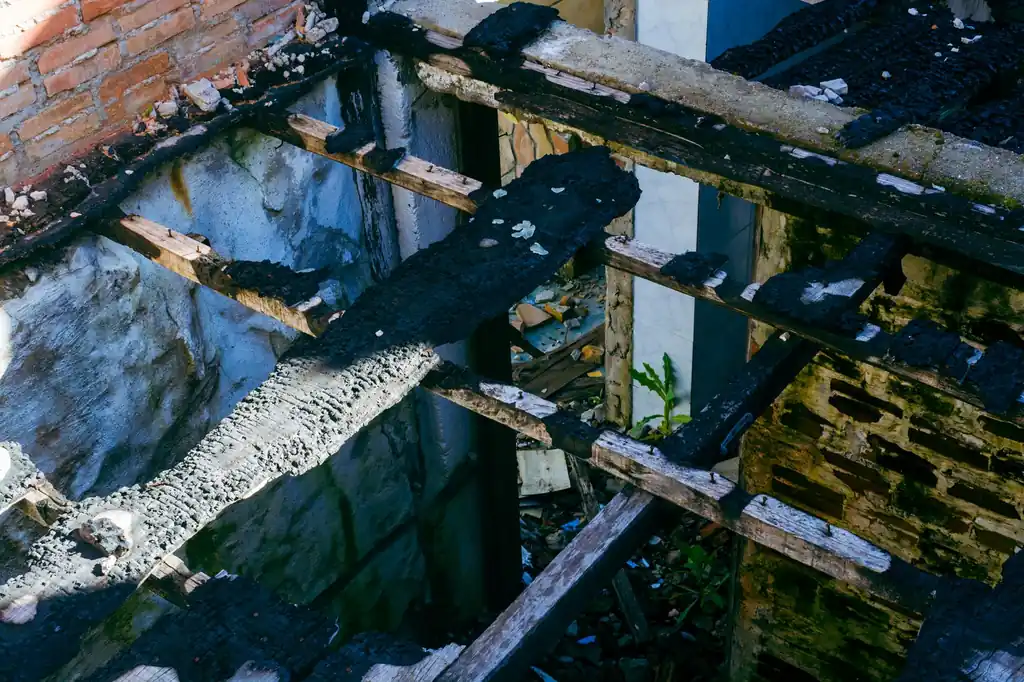
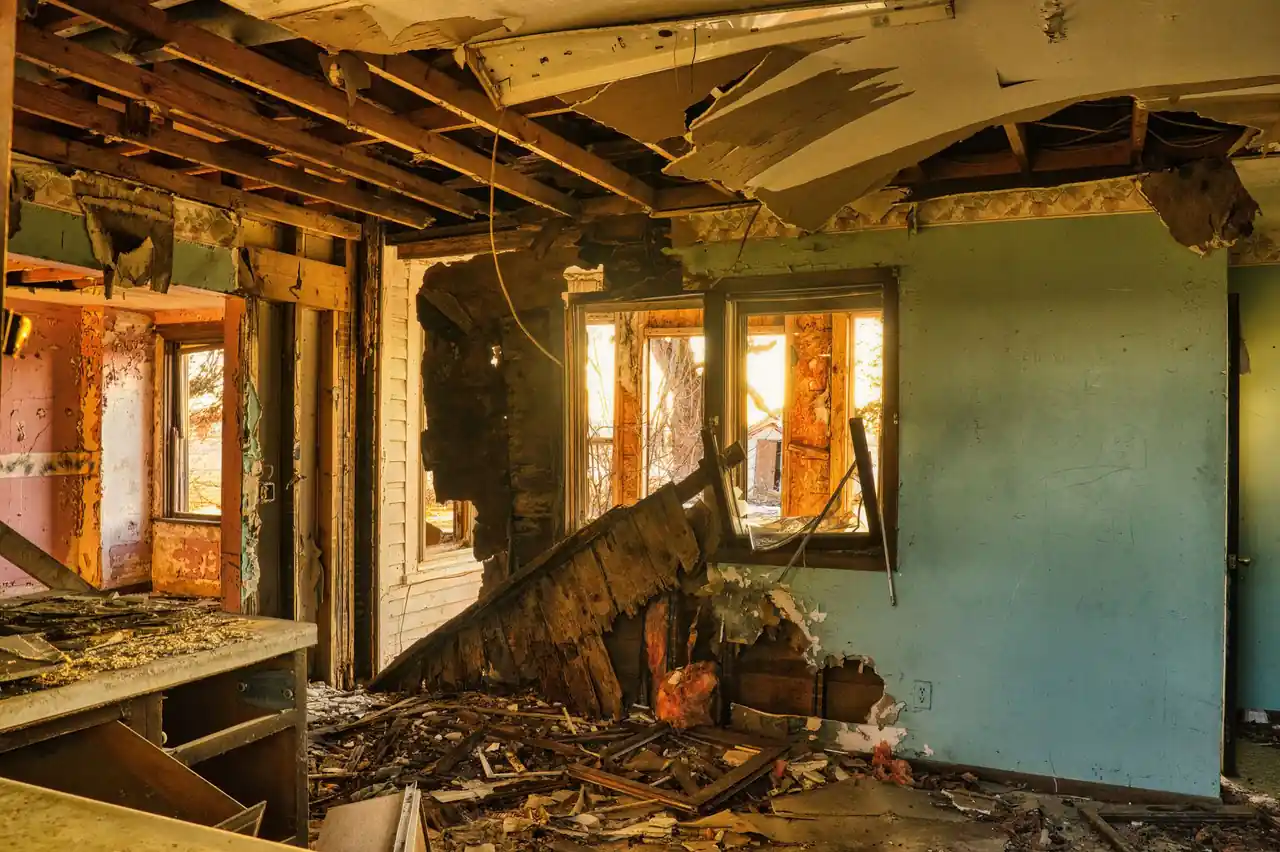
We handle washer leaks in houses, townhomes, and apartments across Homestead. Our team extracts standing water, removes wet materials, and dries your floors and walls.
We work with property managers, landlords, and business owners on commercial washer leaks. Our team minimizes downtime by extracting and drying quickly, unit by unit.
Washing Machine Leak Water Removal Homestead FL is the process of extracting standing water, drying the structure, and stopping mold growth after a washer supply line, drain hose, or pump fails. We pull water with a water extraction vacuum, lift wet carpet and padding, and set commercial dehumidifiers and air movers to dry the wood subfloor and drywall. A moisture meter and thermal imaging camera confirm the readings before we call the job done.
Most Homestead washer leaks we see start with a burst braided hose behind the machine. The water runs under the baseboard, soaks carpet padding, and wicks into the wall cavity within 30 minutes. If you search washing machine leak removal near me Homestead after a puddle shows up, that is the right call. We also handle washing machine water damage repair Homestead jobs where the leak has been slow for weeks and the subfloor is already soft.
We extract the water, dry the assembly, and verify with meters before we leave.
Every washer leak job follows the same five steps. You get a clear picture of what we are doing, how long it takes, and what it costs before we start.
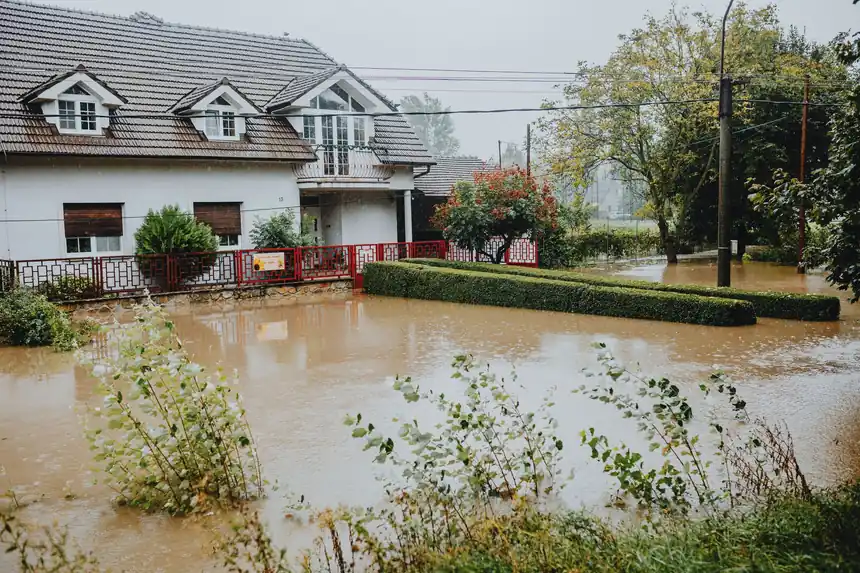
You call (786) 982-0231 and describe the leak. We ask where the washer sits, how long it has been leaking, and whether the water reached carpet or tile. We schedule a same-day or next-morning arrival for most Homestead addresses.
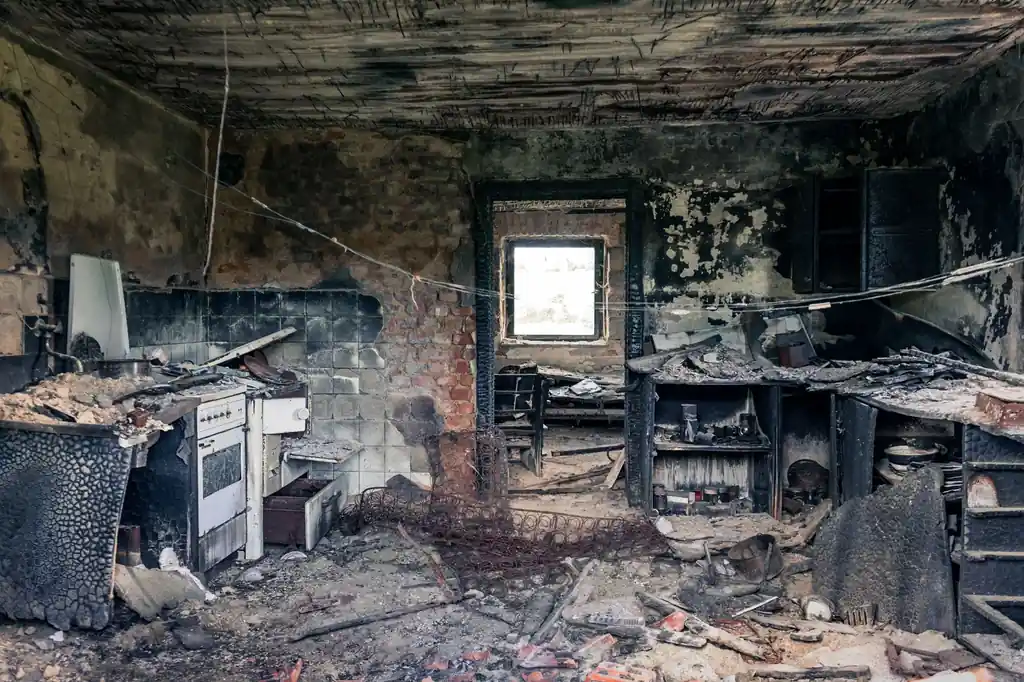
We pull the washer out and inspect the supply hoses, drain hose, and pump housing. A moisture meter and infrared thermometer map the wet zone across the floor and up the wall. This takes 15 to 20 minutes and tells us exactly how far the water traveled.
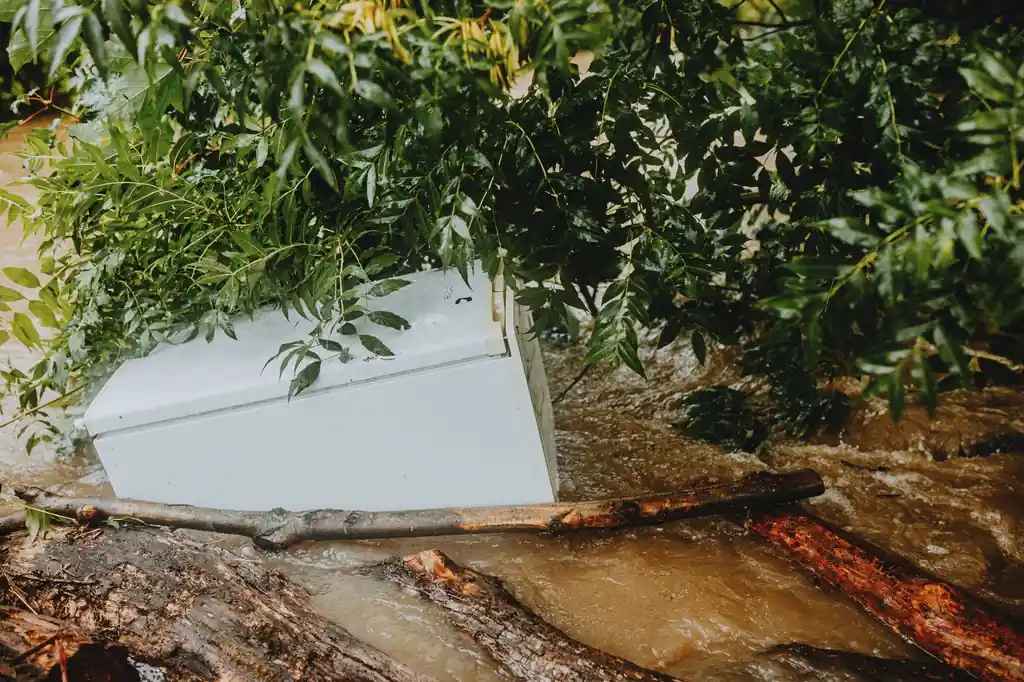
We run the water extraction vacuum over hard floors and carpet. If the carpet padding is saturated, we pull it up and bag it. Wet baseboards come off so the wall cavity can dry. This step usually takes one to three hours depending on square footage.
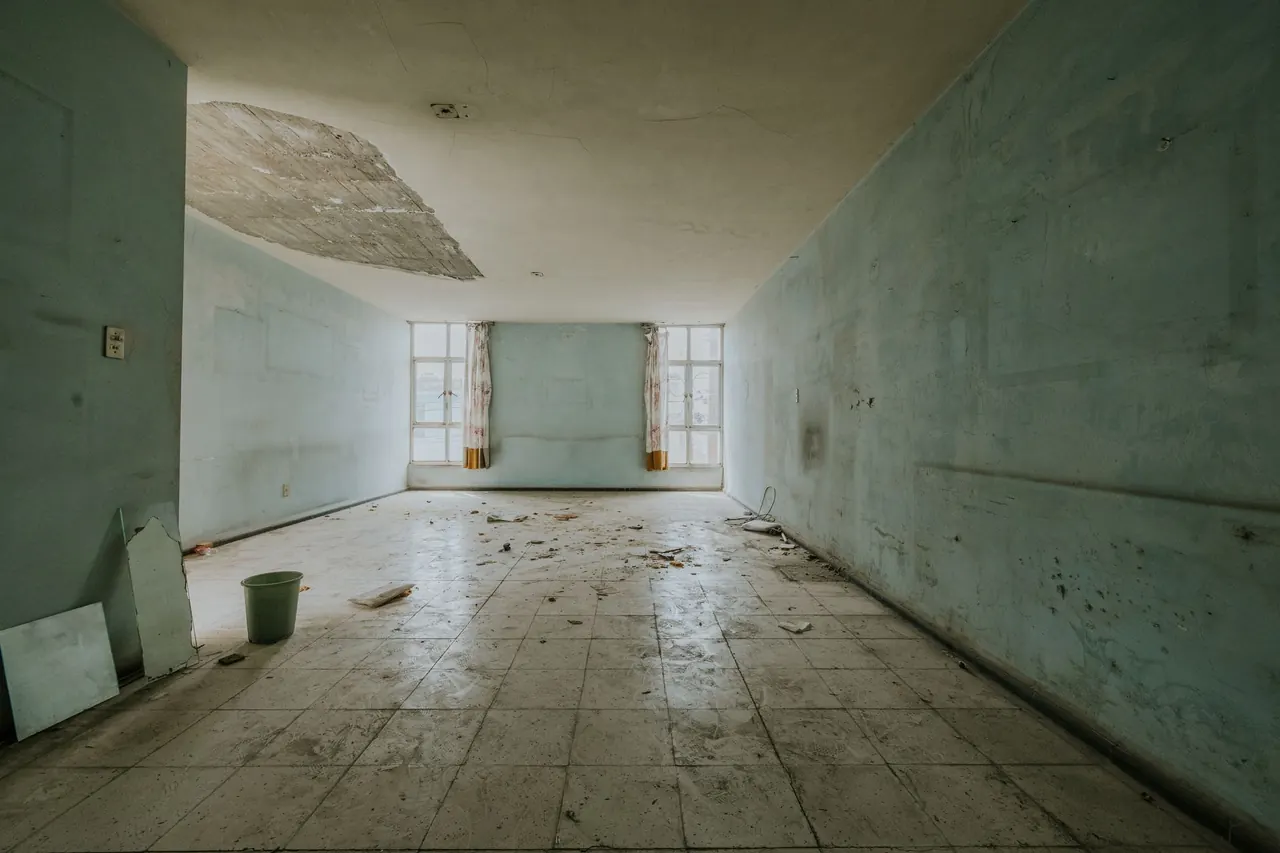
We set commercial dehumidifiers and air movers in the laundry room and adjacent hallway. Drying mats go under hardwood or vinyl plank if needed. We check moisture readings daily and adjust equipment until the structure hits dry standard, usually two to four days.

On the last visit we verify readings with a hygrometer and thermal imaging camera. You get a written summary of the moisture log and what we removed or dried. If we pulled padding or baseboard, we tell you what needs to be replaced.

Pulls standing water from hard floors and carpet. We use truck-mount and portable units depending on access and water volume.

Removes moisture from the air to dry drywall, framing, and subfloor. We size units to the cubic footage of the affected rooms.

Circulates air across wet surfaces to speed evaporation. We position them to create a drying vortex in the laundry room and adjacent hallway.

Measures moisture content in wood and drywall and tracks relative humidity. We log readings daily to confirm the structure is drying.

Finds hidden water behind walls and under floors by detecting temperature differences. Essential for slow leaks that have spread beyond the visible puddle.
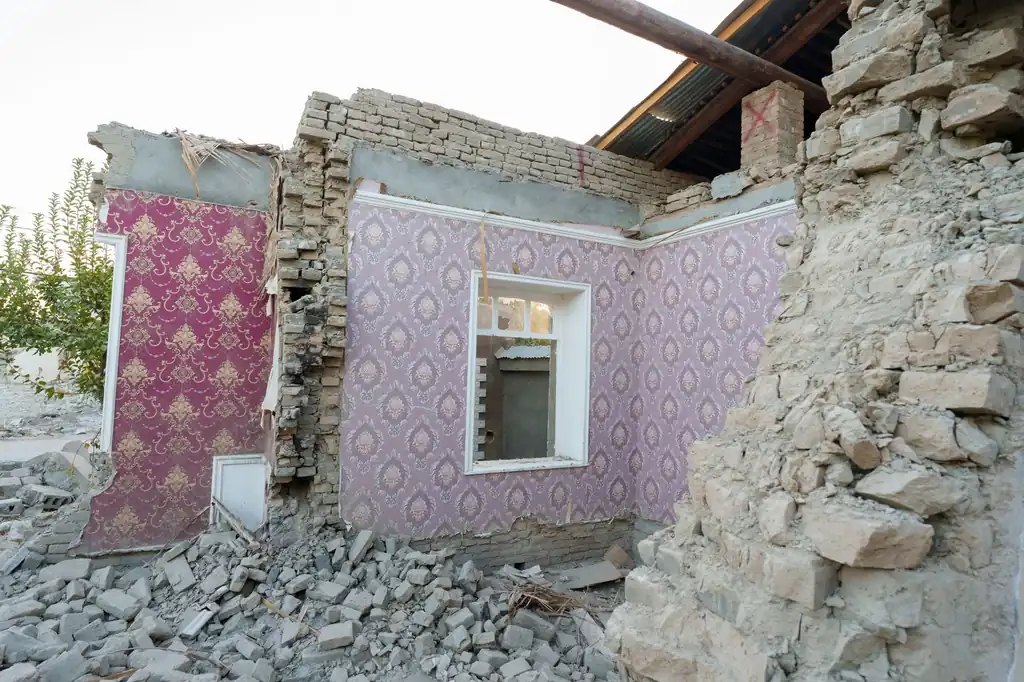
Inspects inside wall cavities and under cabinets without demolition. We use it to check for mold growth and hidden saturation.
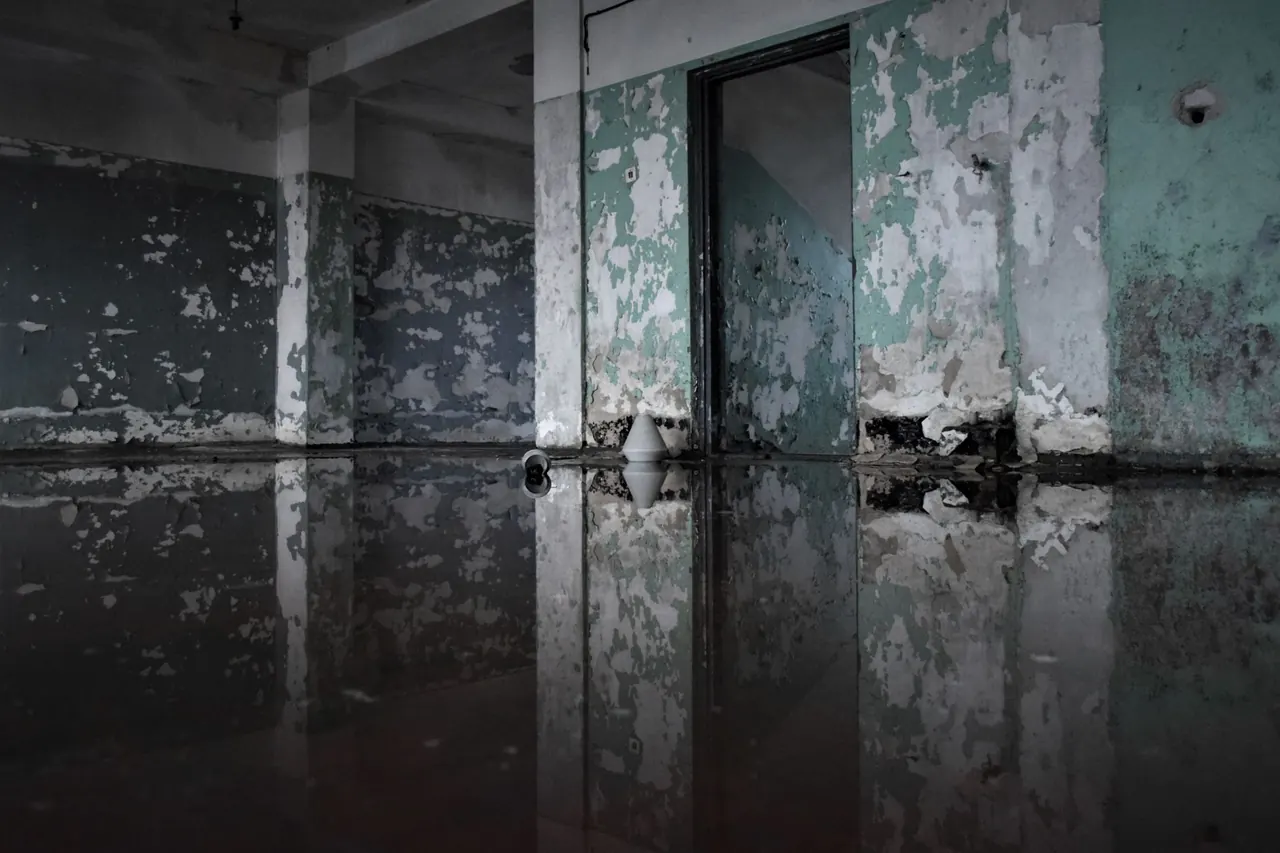
Placed under hardwood and vinyl plank to pull moisture from the subfloor. Absorbent pads soak up residual water in corners and along baseboards.

We follow the IICRC S500 standard for water damage restoration. This sets the drying goals, equipment placement, and monitoring frequency we use on every job.
You come home to a flooded laundry room and water in the hallway. We extract the standing water, pull wet padding, and set drying equipment the same day. Floors and subfloor dry in three to four days. You avoid mold growth and get a report for your insurance claim.
Soapy water overflows onto the floor and soaks the baseboard. We extract the water, clean the affected area, and dry the wall cavity and floor. The laundry room is dry and odor-free. We check the drain line to confirm it is clear before you run another load.
The inspector finds soft subfloor or high moisture readings. We map the wet zone with a thermal camera, extract any standing water, and dry the structure. You get a clear moisture report showing the area is dry. If repairs are needed, we document the scope for your contractor.
Water stains appear on the first-floor ceiling. We dry the ceiling drywall from below and check the joist cavity for saturation. We also dry the laundry room floor above. Both floors dry without mold growth. The ceiling stain is documented for repainting after drying.
Homestead homes deal with high humidity year-round, and that changes how we dry a washer leak. In October, we are still in the tail end of the rainy season, so outdoor humidity can slow evaporation. We run dehumidifiers longer and check readings more often. Many homes here are slab-on-grade, which means water from a washer leak spreads across the concrete and into the base of walls. Older homes near Historic Downtown may have galvanized supply lines that fail differently than modern braided hoses. We also see washer leaks in rentals around the Florida City border where machines are older and hoses have never been replaced. If you need washing machine leak drying services Homestead FL, we size the equipment for the space and the season. We also coordinate with plumbers for washing machine water damage repair Homestead when the leak is from a failed valve or drain line.
A braided supply hose burst while the homeowner was at work. Water covered the laundry room tile and soaked the carpet in the adjacent hallway. The baseboard was wet 6 inches up the wall.
We extracted 18 gallons of standing water, removed 12 feet of wet baseboard, and dried the subfloor and wall cavity in four days. Final moisture readings were at dry standard. The homeowner replaced only the baseboard.
Replace rubber or braided supply hoses every five years. Check the hose connections behind the washer twice a year for drips or corrosion.
A slow drain hose leak had been running for weeks. The vinyl plank flooring looked fine, but the subfloor was soft near the washer. A moisture meter read 28% in the wood.
We pulled up a 4-foot section of plank, dried the subfloor with air movers and a dehumidifier, and got the reading down to 11% in five days. The plank was reinstalled and the floor was level again.
Inspect the drain hose and standpipe for cracks or loose connections every few months. If the floor feels soft or spongy, call for a moisture check.
A washer on the second floor leaked through the floor assembly and stained the ceiling below. The ceiling drywall was wet across a 6-foot section and the joist cavity was saturated.
We dried the ceiling from below and the laundry room floor above using dehumidifiers and air movers. Moisture readings dropped to normal in four days. The ceiling stain was left for repainting after drying.
Install a drip pan under second-floor washers and check the drain hose connection monthly. Address any ceiling stain promptly to avoid mold.
A washer leak is rarely just a wet floor. Water finds the lowest point and the nearest gap. Here are the problems we see most often and how we fix them.

We use a moisture meter and thermal imaging camera to find hidden saturation. If needed, we pull up a section of flooring to dry the subfloor, then reinstall or advise on replacement. Water trapped under floating floors can warp planks, loosen adhesive, and grow mold on the subfloor within days. The surface may look dry while the subfloor stays wet for weeks.
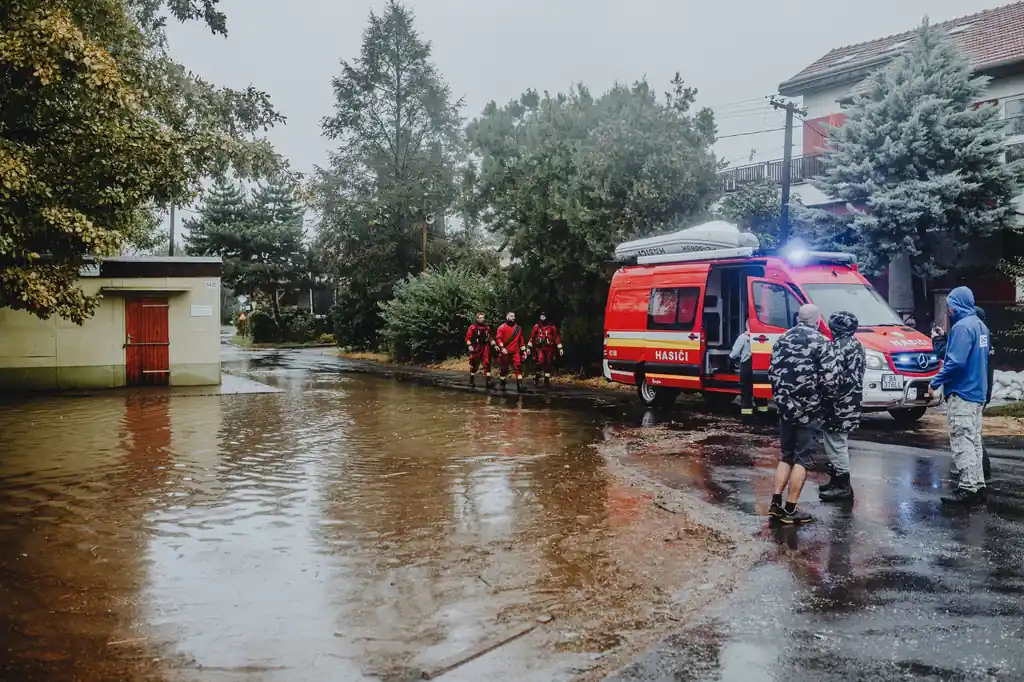
We extract the carpet with a water extraction vacuum, lift it, and remove saturated padding. If the carpet is salvageable, we dry it in place with air movers and drying mats. Carpet padding acts like a sponge and holds water against the subfloor. If left wet, it can delaminate the carpet backing and cause mold growth that smells musty.

We remove baseboard, drill small weep holes at the bottom of the drywall, and inject air into the wall cavity. A commercial dehumidifier pulls moisture out of the framing. Drywall pulls water upward by capillary action. The paper facing can support mold growth in 24 to 48 hours. Baseboards swell and need replacement if not dried quickly.
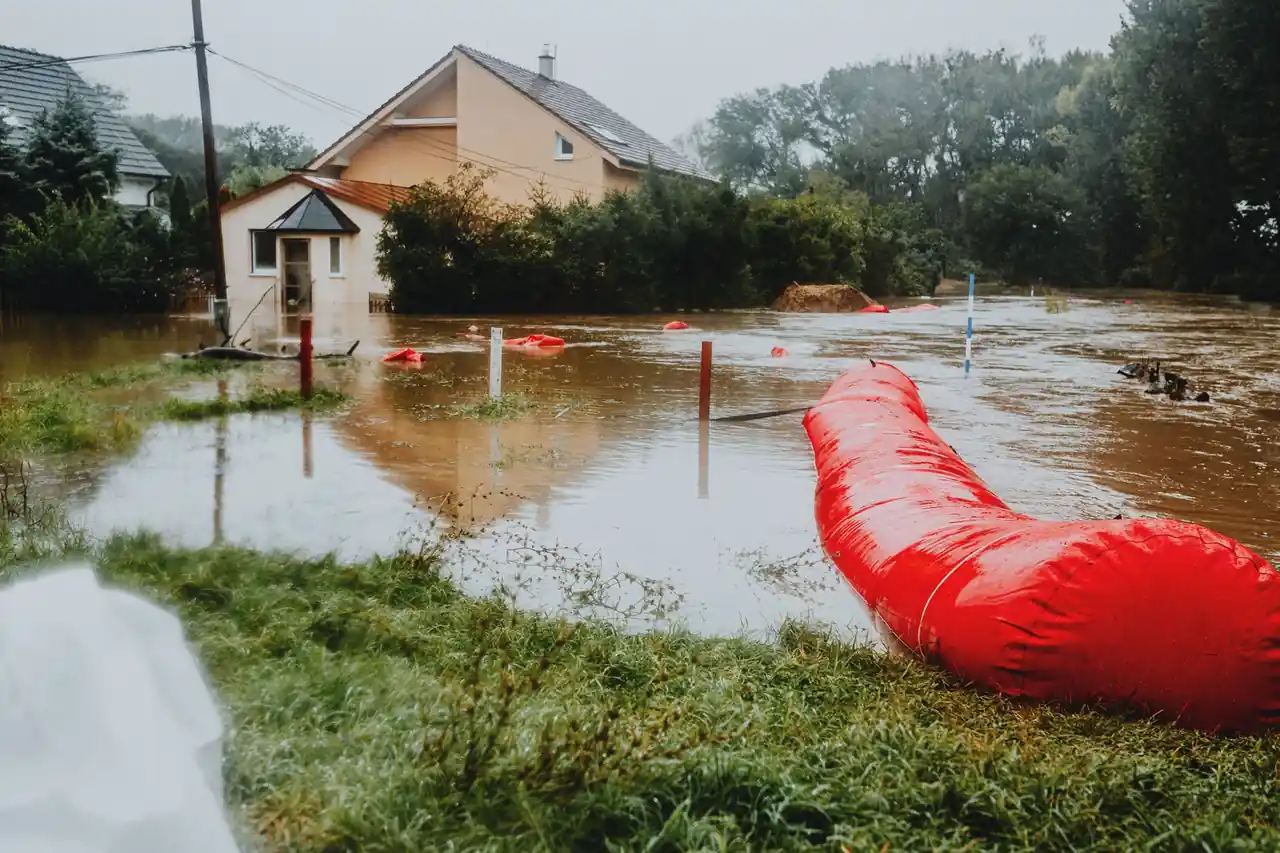
We use a bore scope camera to inspect inside the wall and under the cabinet. We dry the assembly and document the damage so you know what needs repair versus replacement. A slow supply line leak can rot the wood subfloor and cabinet base without a visible puddle. By the time you notice a soft spot or smell, the damage is often more extensive.
Our extraction vacuum pulls 15 to 25 gallons of standing water in under an hour on a typical laundry room job. We move fast because mold can start colonizing wet drywall and carpet padding in 24 to 48 hours in South Florida humidity.
We log moisture meter and hygrometer readings at every visit. You see the numbers drop from saturated to dry standard before we pack up the equipment. No guessing, no leaving a dehumidifier and hoping for the best.
If the carpet is clean and the leak is fresh, we can often dry it in place with air movers and drying mats. That saves you the cost of replacement flooring. When the padding is too far gone, we cut out only the affected section.
We apply antimicrobial solution to affected framing and drywall edges after extraction. On jobs where the leak sat for a week or more, we use a bore scope camera to check inside the wall before we close anything up.
Typical 2026 pricing for washer leak water removal in Homestead ranges from $450 to $1,800 for residential jobs. The low end covers a small laundry room with tile floors and minimal water spread. The high end includes carpet and padding removal, baseboard removal, and extended drying. We provide a written scope before we start, and we work with your insurance company to document the loss. For a washer water extraction Homestead FL quote, call (786) 982-0231.
What your estimate is based on
$450 - $1,800 depending on scope Drying a washer leak properly costs far less than replacing a subfloor or remediating mold. Our pricing includes extraction, drying equipment, daily monitoring, and a final moisture report you can use for insurance.
Clear records you can keep and share.
A clear summary of what we extracted and dried
Daily readings showing the structure reaching dry standard
Images of affected areas before, during, and after drying
Washer leaks are not just a wet floor. Water travels under flooring and into wall cavities where it can stay hidden for weeks.
A moisture meter and thermal camera find water you cannot see. Surface drying alone leaves the subfloor wet and prone to mold.
Most laundry room leaks dry in three to five days with commercial equipment. Humidity and flooring type affect how long it takes.
Mold can start on wet drywall paper in 24 to 48 hours. Fast extraction and antimicrobial application reduce that risk.
Not sure if we cover your street? Call and ask. (786) 982-0231
Most residential washer leak jobs in Homestead run $450 to $1,800 in 2026, depending on how far the water spread and whether we remove carpet padding. A small laundry room leak with tile floors may be on the low end. If water reached the hallway, subfloor, or wall cavity, expect the higher range. We give you a written scope before we start.
Shut off the two supply valves behind the washer and unplug the machine. Then call us at (786) 982-0231. Do not run a shop vac on a large puddle if the water may have reached an outlet or extension cord. We handle emergency washer leak water removal Homestead FL and can be on site the same day to extract and start drying.
Homestead Water Damage Pros does. We are based in Homestead and cover Miami-Dade County from Leisure City to Redland. Our technicians carry IICRC WRT and ASD credentials and use commercial dehumidifiers, air movers, and moisture meters on every job. Call (786) 982-0231 for a same-day assessment.
Yes. A slow supply line leak can warp hardwood floors, delaminate vinyl plank, and rot the wood subfloor over a few weeks. In Homestead humidity, mold can start on wet drywall paper in 24 to 48 hours. We use a moisture meter and thermal imaging camera to find hidden saturation before it becomes a structural repair.
Water from a washer leak spreads fast. We extract it, dry your floors, and document the loss for your insurance claim. Call now and we will schedule a same-day or next-morning visit. One call and we handle the rest.
Call us any time at (786) 982-0231 or email info@homesteadwaterdamagepros.com. We answer the phone 24/7 and can usually have a crew at your door within the hour for emergencies. If you have a scheduled job or just want a quote, we will get back to you same day.