Written drying report
Daily readings, equipment logs and photos
Dehumidification Services Homestead FL removes the moisture a fan alone cannot reach. We place commercial-grade units in your home, track the readings daily and pull the equipment only when your structure tests dry. If a burst pipe, roof leak or hurricane flooding soaked your floors, we start drying the same day you call.
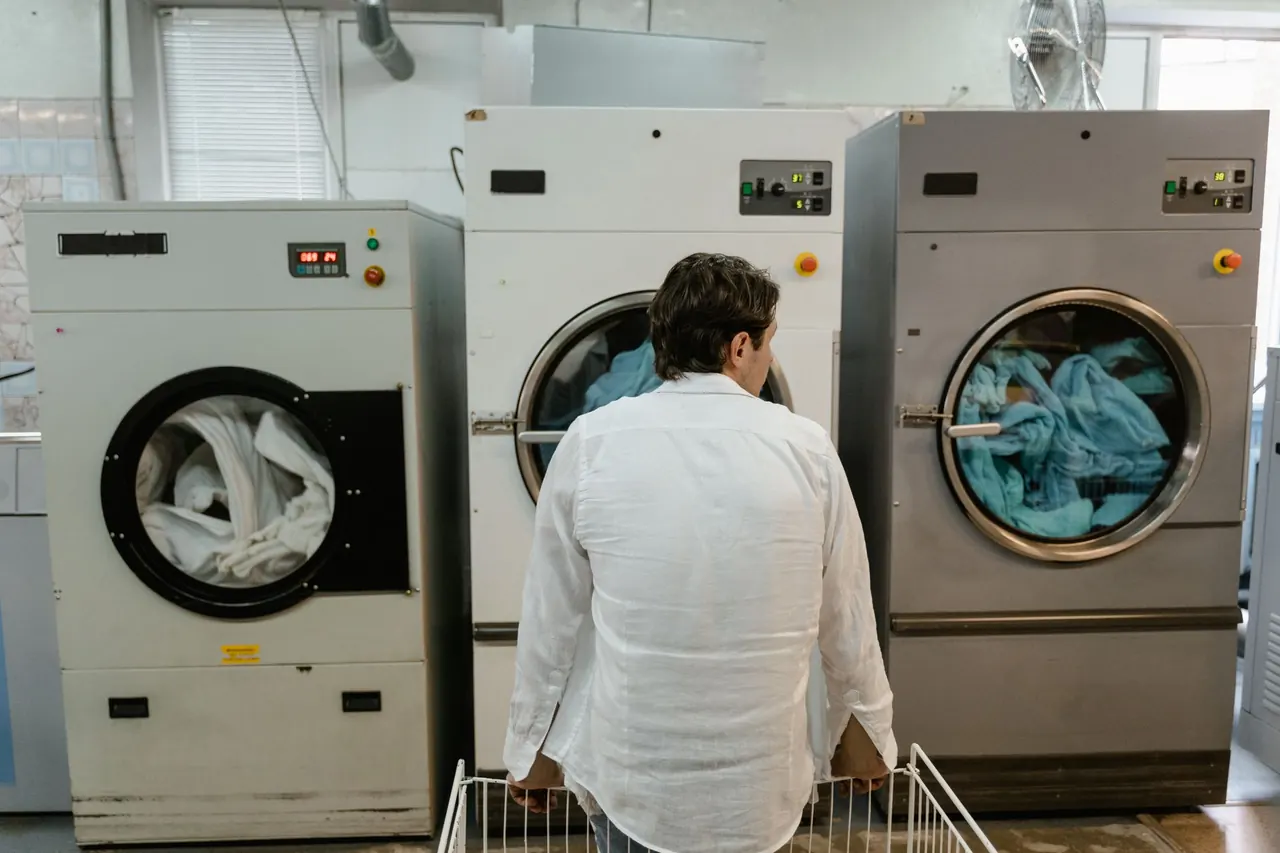
Every drying job includes the same core work: inspection, extraction, equipment placement, daily monitoring and a final dry verification. Repairs like drywall patching or flooring replacement are separate, and we will tell you upfront if your job needs them.
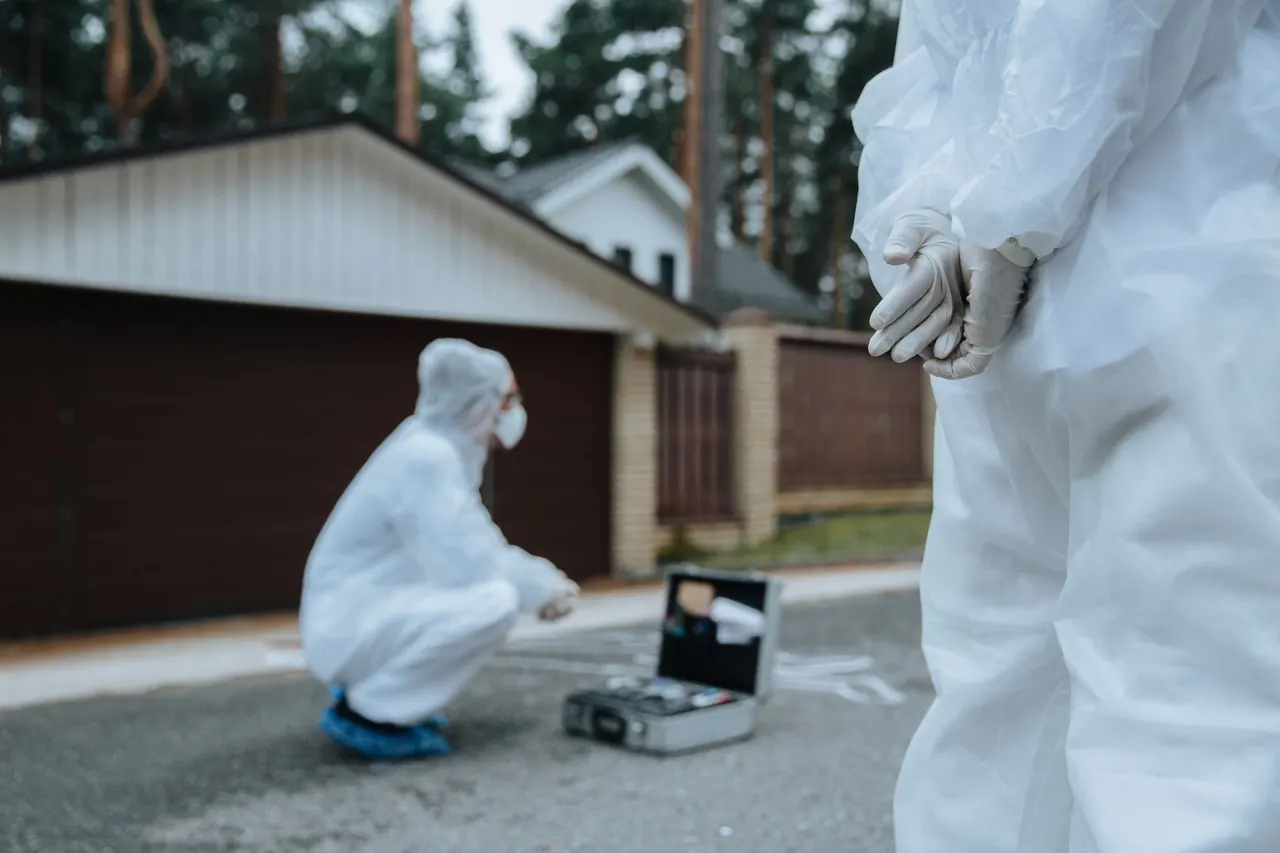
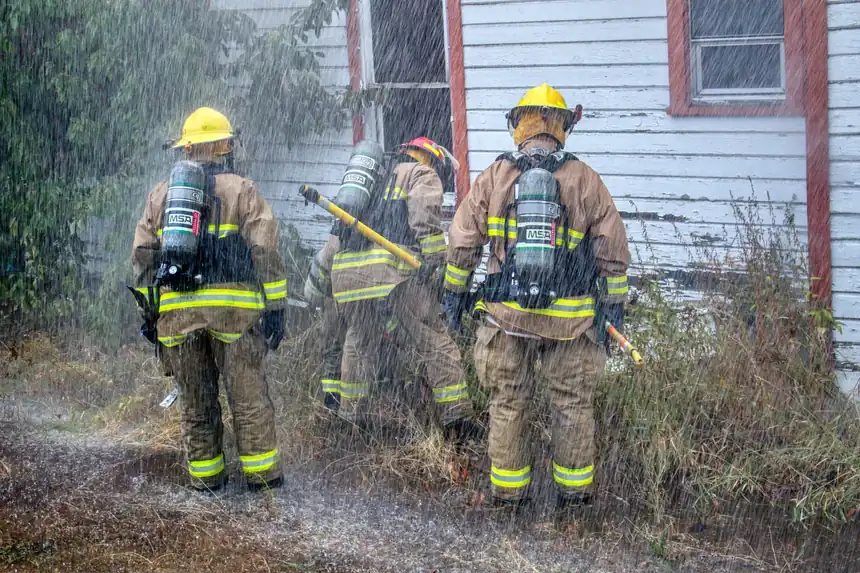
We dry houses, condos and rentals across Homestead. You get equipment placed the same day and readings checked every morning until your home is dry.
We dry offices, retail units and warehouses without shutting your operation down. Equipment goes in after hours and gets monitored around your schedule.
Dehumidification Services Homestead FL is a controlled drying process that pulls water vapor out of the air and building materials until moisture readings return to a safe baseline. We start with a moisture meter and thermal imaging camera to map where water traveled, then size the equipment to the cubic footage of each affected room. A commercial dehumidifier runs alongside air movers to evaporate trapped water from drywall, wood subfloor and carpet padding, and we check a hygrometer twice a day to confirm the numbers are dropping.
Homes across Miami-Dade County hold humidity year-round, and that changes how drying works here. A slab-on-grade house in Keys Gate or Waterstone can hide water under tile for days before anyone notices a soft spot or a musty smell. That is why we treat dehumidification near me Homestead calls as urgent, not optional. Standing water comes out first with a water extraction vacuum, then the dehumidifiers take over to finish what the vacuum cannot reach.
Water comes out first, then the air gets dried until the meter says the structure is done.
Every job follows the same five steps. You get a call before we arrive, a walkthrough when we set up, and a written report when we pull the equipment.
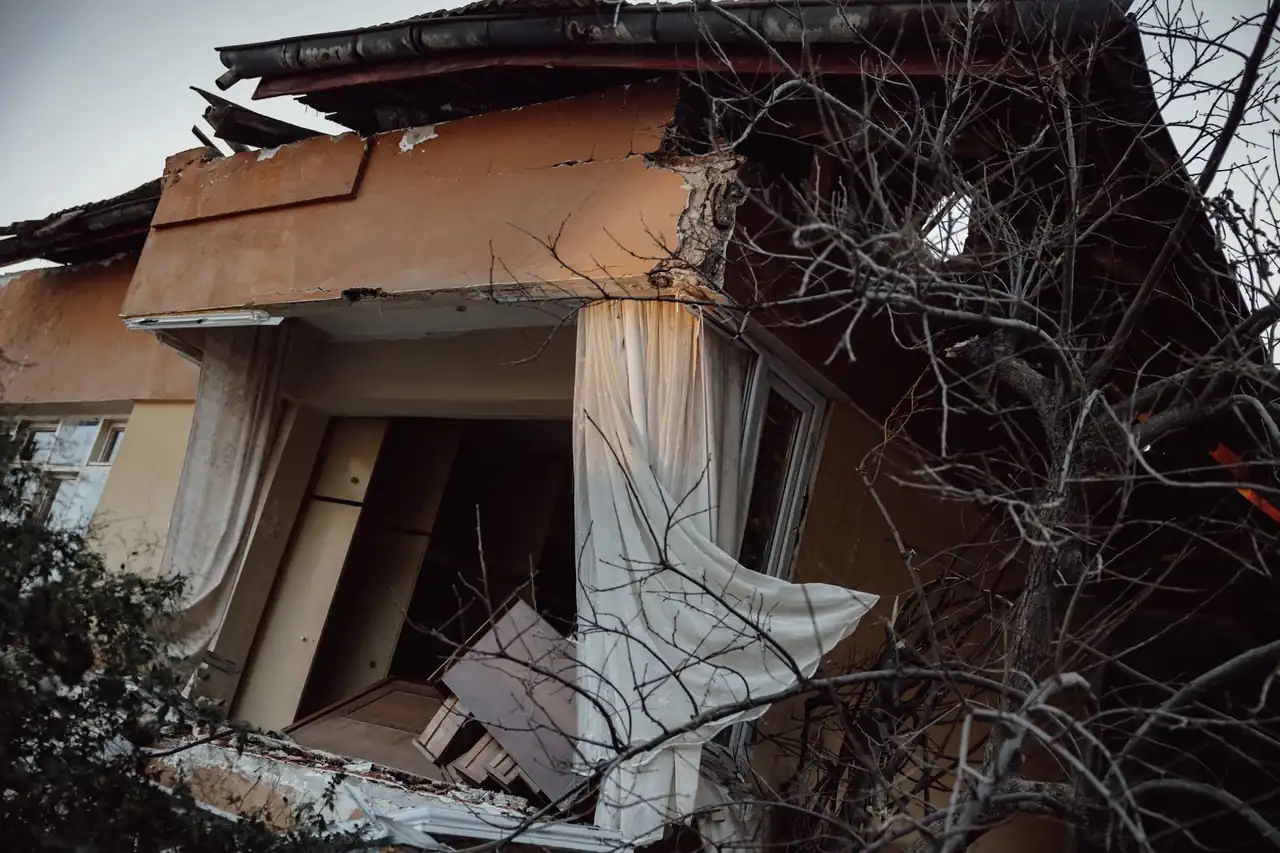
You call (786) 982-0231 and describe what happened. We arrive, walk the affected rooms with a moisture meter and thermal imaging camera, and find the wet boundary. This inspection takes 30 to 45 minutes on a typical Homestead home and tells us exactly how much equipment the job needs.
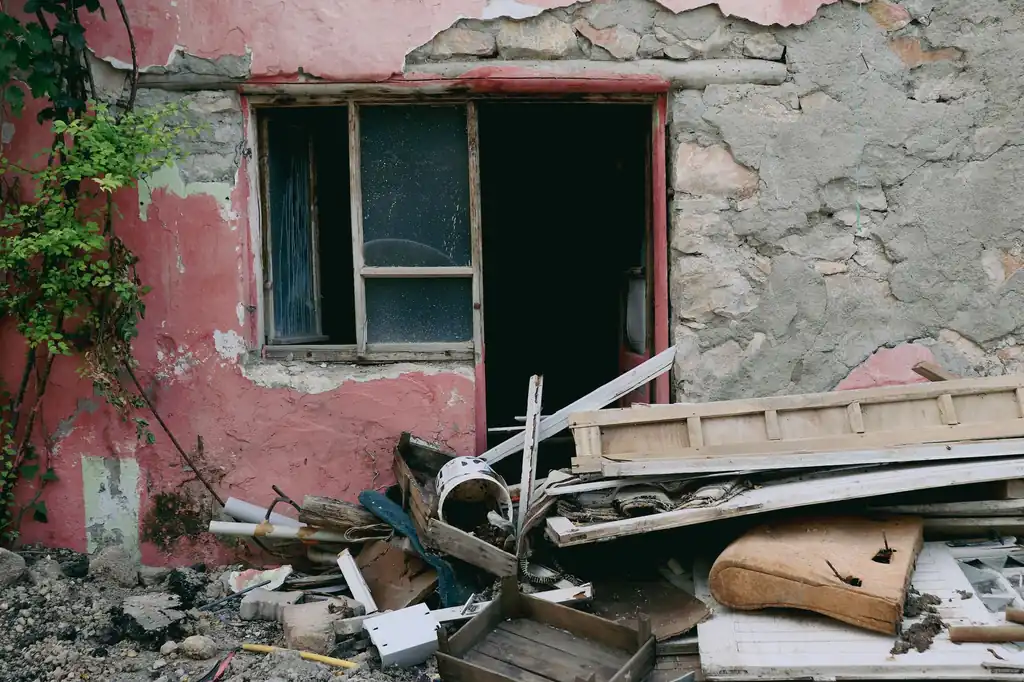
Before any dehumidifier goes down, standing water has to come out. We run a water extraction vacuum across tile, carpet and concrete, then use absorbent pads and drying mats in the corners where the vacuum cannot reach. Extraction on a flooded living room usually takes one to three hours.
We position commercial dehumidifiers and air movers based on the moisture map, not guesswork. A 1,200 square foot home typically needs two to three dehumidifiers and six to ten air movers. We set up polyethylene sheeting to contain the drying zone and keep the rest of your house comfortable.
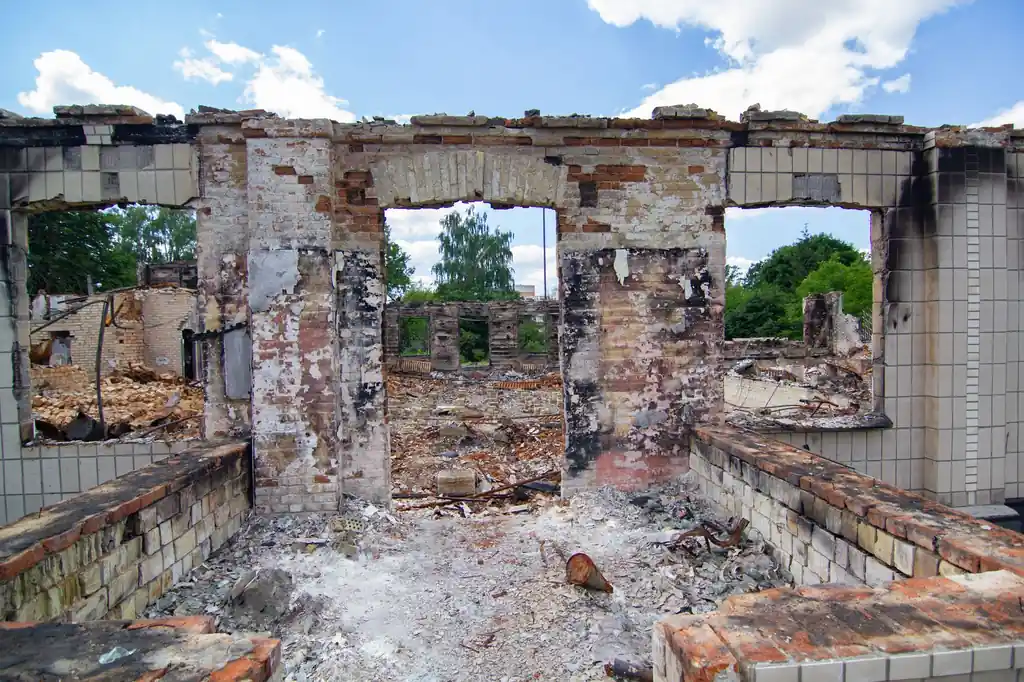
Drying is not a set-it-and-forget-it job. We return each day, check the hygrometer and infrared thermometer, and adjust equipment placement as the wet areas shrink. If a wall is holding moisture longer than expected, we add a desiccant unit or switch to a larger commercial dehumidifier.
We pull the equipment only when moisture readings match a dry standard for your material type. You get a final walkthrough, a written drying report with photos, and clear guidance on what repairs, if any, still need to happen. Most jobs wrap in three to five days.
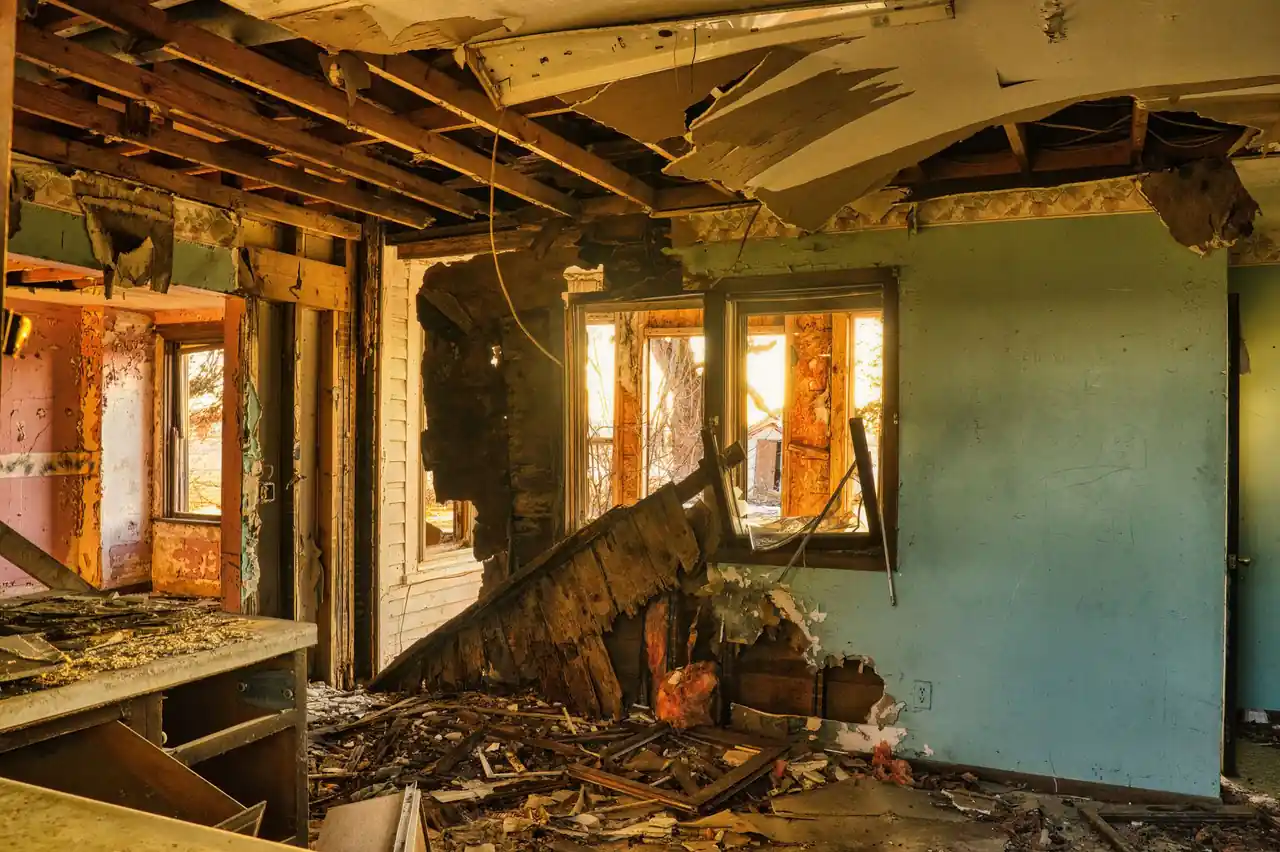
Pulls water vapor from the air so wet materials release moisture faster. We size the unit count to the cubic footage of the affected area, not to a flat rule.
Keeps air moving across wet surfaces so evaporation happens at the surface. Placed at angles that push air into wall cavities and under lifted carpet.
Reads the moisture content inside drywall, wood and concrete. We use it to set the drying boundary and to confirm when materials hit the dry standard.
Shows temperature differences that reveal hidden moisture behind walls and under floors without opening anything up.
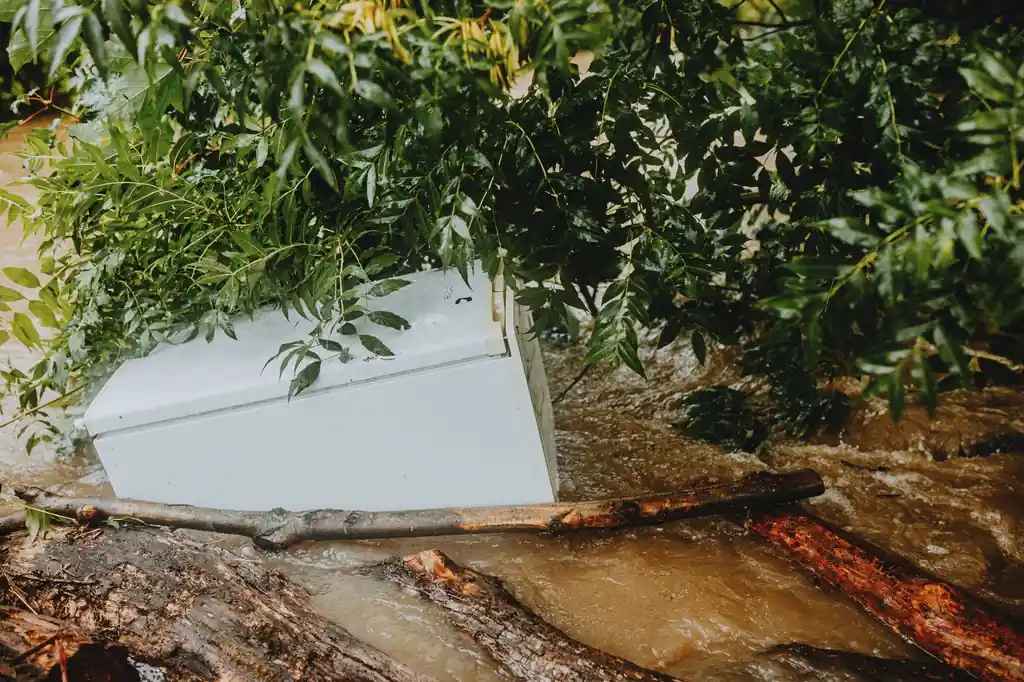
Measures relative humidity in the drying zone. We log it daily to confirm the dehumidifiers are actually dropping the moisture level.
Lets us see inside wall cavities and under cabinets to check for moisture and early mold growth before we decide how to dry.
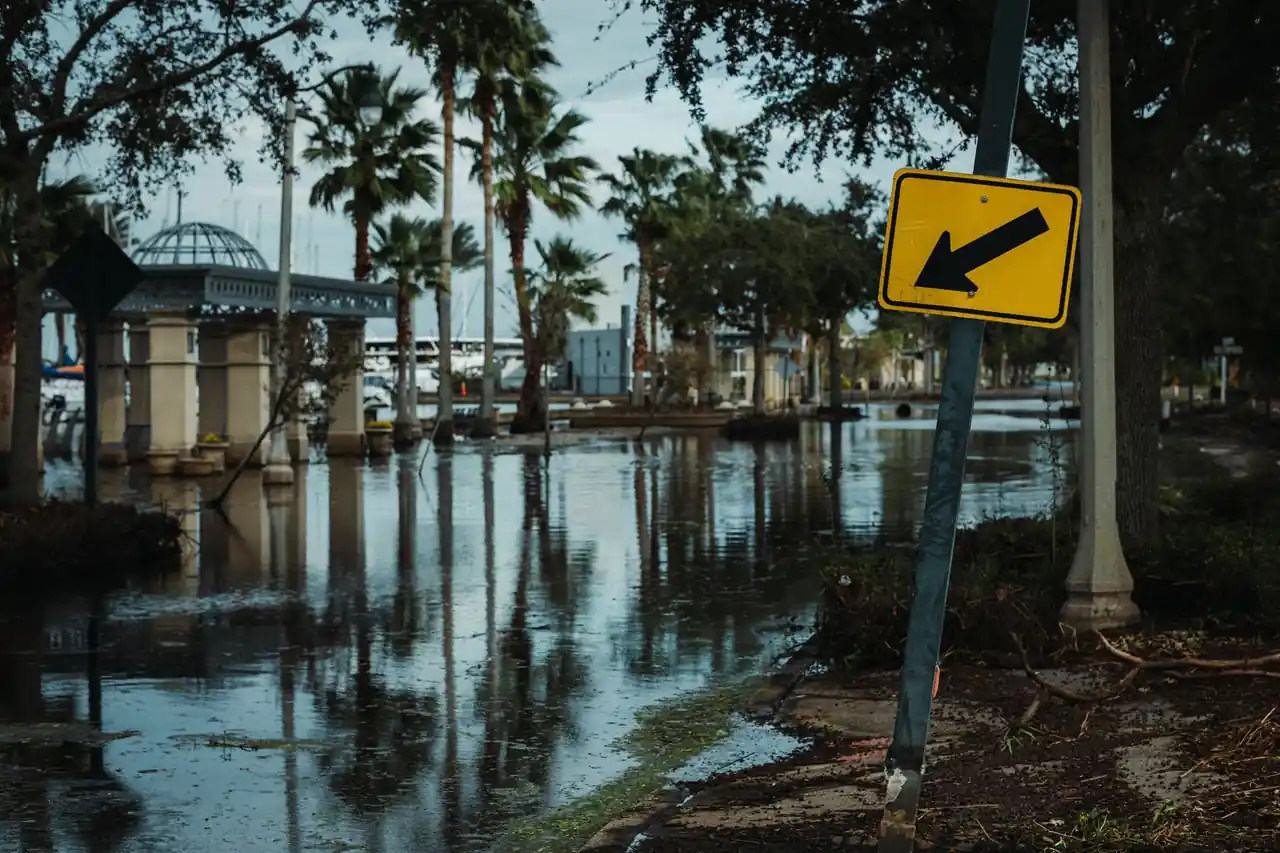
Removes standing water from carpet, tile and concrete before drying equipment goes down. Drying starts faster when the bulk water is already gone.
The S500 sets the moisture targets and drying principles we work to. It is why we dry to a measured standard instead of pulling equipment when the surface feels dry to the touch.
We extract the standing water, lift the carpet to reach the padding, and place dehumidifiers and air movers in both rooms. Daily readings tell us when the padding and subfloor are dry. Most laundry room floods dry in three to four days, and the carpet and padding are saved instead of replaced.
We remove the water, apply antimicrobial solution along the wet perimeter, and run commercial dehumidifiers with the doors closed to concentrate the drying. We check the wall cavities with a moisture meter each day. The baseboards and drywall dry through instead of wicking upward, which avoids a full wall replacement.
We treat the affected area with antimicrobial solution, extract the water from carpet and tile, and run dehumidifiers until the bathroom and hallway test dry. The contaminated water is cleaned up and the structure is dry, so you are not living with a lingering odor or hidden moisture.
We pull the water with a water extraction vacuum, dry the closet and carpet with dehumidifiers and air movers, and check the drywall for wicking before the new heater goes in. The closet and carpet dry in about three days, and you can install the replacement heater without tearing out drywall.
Homestead sits in Miami-Dade County, where outdoor humidity rarely drops below 70 percent, and that changes the drying math. A dehumidifier running in an open house here fights the outside air all day. That is why we build a closed drying system with polyethylene sheeting and run the equipment inside that zone. Slab-on-grade construction is the norm in Keys Gate, Waterstone and The Oasis, so water spreads sideways under tile rather than draining down. We map that spread with a thermal imaging camera before placing anything. Hurricane season runs June through November, and the calls we get after a storm are usually flood water removal jobs that turn into multi-day drying projects. If you are searching for emergency dehumidification Homestead FL help, call before the next rain band arrives. We work to Florida building code requirements for moisture and mold, and we carry the state licenses that let us handle both drying and mold work on the same job. ZIP codes 33030, 33033 and 33035 are our core service area.
A supply line under the sink failed overnight and water spread across the kitchen tile and into the adjacent hallway carpet. The cabinet base was soaked, and the carpet padding was holding water like a sponge.
We extracted the standing water, lifted the carpet and placed dehumidifiers and air movers in both rooms. Daily readings dropped from 28 percent moisture content in the cabinet base to 11 percent in four days. The carpet and padding were saved.
Check the supply line connections under the sink twice a year, and replace braided hoses every five years. A $15 hose is cheaper than a drying job.
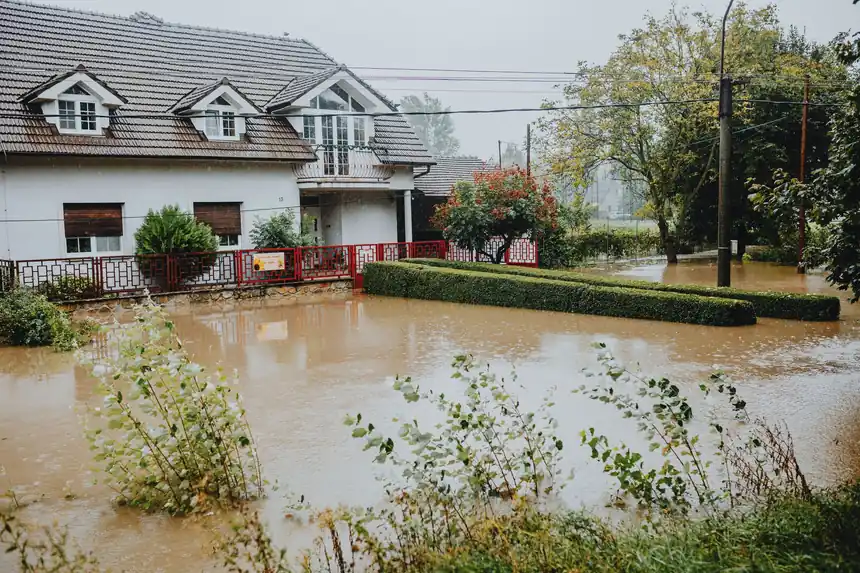
Storm flooding pushed two inches of water into a converted garage used as a bedroom. The drywall wicked water 14 inches up from the floor, and the baseboards were saturated.
We removed the water, applied antimicrobial solution along the wet perimeter, and ran commercial dehumidifiers with the room sealed. The drywall dried through in five days, and the baseboards were saved. No mold growth was found on the final check.
Keep a floor squeegee and towels near exterior doors during hurricane season, and check the baseboards for softness after any flooding event.
A 40-gallon water heater tank failed and released water into the closet and the bedroom carpet. The drywall behind the heater was wet to the touch, and the carpet was squishing underfoot.
We pulled the water with a water extraction vacuum, dried the closet and carpet with dehumidifiers and air movers, and checked the drywall for wicking. Readings returned to normal in three days, and the new heater went in without any drywall repair.
Flush the water heater once a year and check the drain pan for standing water. Most tank failures give warning in the form of rust-colored water.
Most Homestead water problems look small until the moisture spreads. Here are the ones we see most, and what happens if they sit.

We locate the moisture source with a thermal imaging camera and moisture meter, dry the affected materials with commercial dehumidifiers, and confirm the readings are back to normal before we leave. That smell is mold feeding on trapped moisture inside walls or under flooring. Left alone, it spreads through the HVAC system and into every room of the house.

We extract what water we can reach, then dry the subfloor with directed airflow and dehumidification. We check it with a moisture meter and tell you honestly whether the flooring can be saved. A soft floor means the wood subfloor is wet and starting to break down. Ignoring it leads to sagging floors and a much larger repair bill.

We run dehumidifiers to bring indoor humidity into the 40 to 50 percent range, which stops the condensation and dries out the surfaces it was affecting. High indoor humidity in Homestead is normal, but constant condensation means the air is holding more moisture than it should. That moisture feeds mold on window frames and exterior walls.
We trace the leak path with a bore scope camera, extract pooled water, and dry the framing and ceiling drywall with targeted airflow and dehumidification before patching anything. A growing ceiling stain means water is still traveling along the joists. The longer it runs, the more framing and insulation it soaks.
Mold can colonize wet drywall in 24 to 48 hours. We place dehumidifiers and air movers the same day we extract standing water, then log daily readings. Most Homestead homes we dry hit safe moisture levels in three to five days instead of the two weeks a fan-only approach takes.
Warped hardwood floors and buckled laminate usually mean the wood subfloor stayed wet too long. We dry from the surface down and check the subfloor with a moisture meter before we clear the job, which saves homeowners the cost of tearing out and replacing flooring.
Damp air carries that closed-up, musty smell through the whole house. Running a commercial dehumidifier drops indoor humidity to the 40 to 50 percent range, which clears the odor and makes the rooms livable again while repairs are still being scheduled.
Adjusters want proof of the drying work, not just a receipt. We photograph moisture readings, log equipment placement and write the drying report in Xactimate-compatible format, so your claim moves forward without you chasing paperwork.
Typical 2026 pricing for dehumidification services in this area runs $450 to $1,400 for a residential job, covering equipment, setup, daily monitoring and the final report. Commercial dehumidification Homestead FL projects price higher because they need more units and more square footage. The biggest cost driver is how many rooms are wet and how long drying takes. We give you the equipment cost before we set up, so you can decide with real numbers in front of you.
What your estimate is based on
$450 - $1,400 for most residential jobs; commercial projects priced by scope You are paying for equipment sized correctly, monitored daily and pulled at the right time. That is what keeps a small water problem from turning into a mold remediation bill that costs several times more.
Clear records you can keep and share.
Daily readings, equipment logs and photos
Marked wet areas from the first inspection
Meter readings confirming the structure is dry
A fan alone does not dry a wet wall, and a dehumidifier alone does not dry a wet floor. The two work together, and the meter decides when the job is done.
Air movers evaporate water off surfaces, and dehumidifiers pull that vapor out of the air. Run only one and the moisture just moves around the room.
A surface that feels dry can still hold moisture an inch deeper. We keep equipment running until the meter reads dry for the material type, not until it looks dry.
Mold can start within 24 to 48 hours of water intrusion. Every hour between the leak and the first dehumidifier running makes the job bigger.
Not sure if we cover your street? Call and ask. (786) 982-0231
Most residential jobs run $450 to $1,400 for equipment, setup and daily monitoring, depending on how many rooms are wet and how long drying takes. Commercial dehumidification Homestead FL projects price higher because of unit count and square footage. You get the equipment cost before we set up, so there is no surprise on the final invoice.
Plan on three to five days for a typical Homestead home, running the units continuously. Drying time depends on the material: carpet padding dries in about 48 hours, while a wet wood subfloor can take four or five days. We check readings daily and pull the equipment when your structure hits the dry standard, not on a fixed schedule.
We do, and we deliver, set up and monitor the units rather than handing you a machine at a counter. That matters because a rented dehumidifier placed wrong will not dry a wall. Our crew positions the equipment using moisture readings, checks it daily and removes it when the job is done.
Yes, when it starts within the first 24 to 48 hours after water intrusion. Mold needs sustained moisture to grow, and dropping indoor humidity to the 40 to 50 percent range removes that condition. For homes that already show mold growth, we handle it under our Florida mold remediator license before drying continues.
Water sitting in your walls gets worse every hour. Call (786) 982-0231 and we will schedule extraction and drying equipment for your Homestead home, usually the same day. You get a clear equipment cost before we set up.
Call us any time at (786) 982-0231 or email info@homesteadwaterdamagepros.com. We answer the phone 24/7 and can usually have a crew at your door within the hour for emergencies. If you have a scheduled job or just want a quote, we will get back to you same day.