Local GuidesRepair Tips
Why is my ceiling leaking water after heavy rain in Homestead
A ceiling leak after heavy rain in Homestead almost always traces back to roof damage, clogged drainage, or failed flashing. Here's how to find it and stop it.
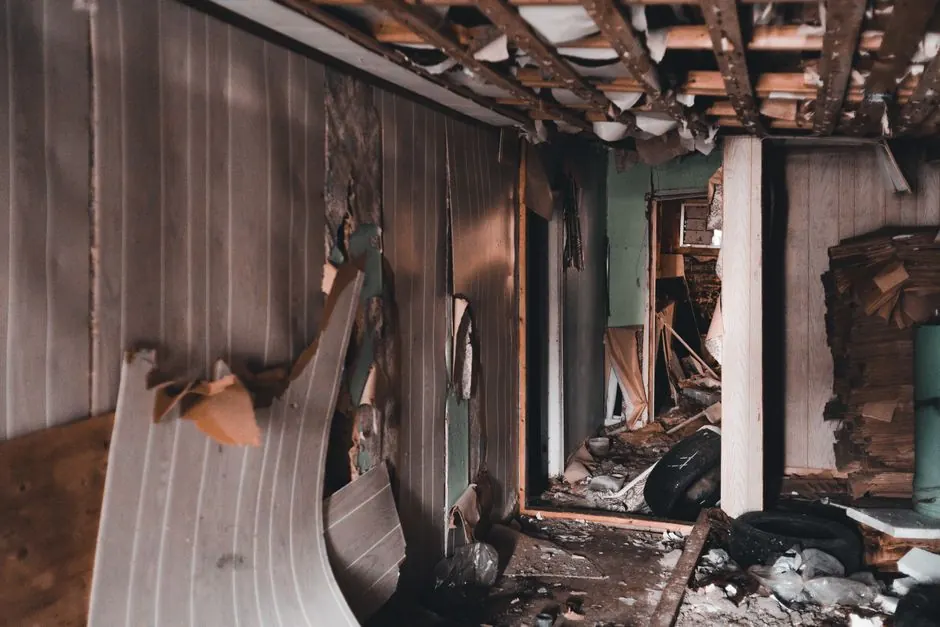
Your ceiling is leaking after heavy rain in Homestead because water is getting past your roof, flashing, or exterior walls and then traveling along framing until it finds a low point to drip through. That is the short answer. The longer answer involves figuring out which of those entry points failed, because a ceiling stain is almost never the actual leak - it is just where the water finally shows up.
We handle these calls across South Miami-Dade every wet season, and the pattern is consistent. Below we walk through the real causes, what to do in the first ten minutes, what it costs to fix in 2026, and when a ceiling leak stops being a weekend project and becomes a restoration job.
Why does my ceiling leak only after heavy rain?
A ceiling that leaks only during heavy rain in Homestead points to a defect that opens under volume or pressure, not a pipe that drips constantly. Light drizzle does not produce enough water to overwhelm a small gap or to push past a partially blocked drainage path. A 2-inch-per-hour downpour does.
Homestead sits in one of the wettest parts of Florida. The wet season runs from roughly May through October, and it is normal for this area to see 8 to 12 inches of rain in a single month. That volume finds every weak point in a roof assembly - lifted shingles, cracked pipe boots, failed sealant around vents, and the seams on flat or low-slope roofs.
Water is also patient. It enters at the roof, runs down a rafter, hits a joist, and then tracks sideways for 6, 10, even 15 feet before gravity pulls it through your drywall. That is why the wet spot on your ceiling is often nowhere near the actual hole in the roof.
The most common causes in Homestead homes
In our experience, ceiling leaks after heavy rain in Homestead trace back to one of six things. The first four are roof-related. The last two surprise people.
- Wind-lifted or missing shingles. A single storm with 40 to 60 mph gusts can peel shingles off a 15-year-old roof. The exposed underlayment holds for a while, then fails.
- Failed flashing around chimneys, vents, and skylights. Flashing sealant has a service life of about 5 to 8 years in South Florida sun. When it cracks, water goes straight in.
- Clogged or undersized gutters and downspouts. When gutters overflow, water wicks under the fascia and into the roof deck edge. We see this constantly on homes with mature oak and palm canopy.
- Cracked pipe boots. The rubber collar around plumbing vent pipes dries out and splits. It is a $15 part that causes thousands in ceiling damage if ignored.
- Blocked or disconnected AC condensate drain lines. Your air handler produces 5 to 20 gallons of condensate per day in summer. If the primary drain clogs and the secondary pan overflows, water lands in the ceiling below the attic unit.
- Second-floor plumbing or supply line failures. A slow pinhole leak in a copper or CPVC line above the ceiling only shows when the pipe is under pressure - which correlates with heavy use during storms when everyone is home.
If you cannot find the source after a careful look, professional Moisture Detection for Water Damage Homestead FL uses thermal imaging and pin-type meters to trace the water path without tearing out your ceiling. That step saves most homeowners from cutting open three wrong spots before finding the right one.
What should I do first when water is coming through?
When water is actively coming through your ceiling in Homestead, your first job is to contain the damage and protect people - not to find the leak. The leak can wait ten minutes. A ceiling collapse or a slip on wet tile cannot.
- Move furniture, electronics, and rugs out of the drip zone. If you cannot move something, cover it with a plastic tarp.
- Place a bucket or bin under the drip. Add a towel underneath to catch splash.
- If the ceiling is bulging, puncture it with a small screwdriver at the lowest point of the bulge. This sounds counterintuitive, but a controlled pinhole releases trapped water and prevents a 4-by-8-foot section of drywall from coming down all at once.
- Kill power to any circuit near the wet area at the breaker panel. Water and live wiring do not mix.
- Take photos and video before you clean anything. You will need them for your insurance claim.
- Call a restoration company if the leak is more than a slow drip or if the wet area exceeds about 2 square feet.
For anything beyond a small drip, our team responds with Emergency Water Extraction Homestead FL - we extract standing water, set drying equipment, and document everything for your claim.
How to stop a ceiling leak during heavy rain in Homestead
You cannot permanently stop a ceiling leak during heavy rain in Homestead from inside the house. What you can do is slow it down and buy time until the storm passes and someone can get on the roof safely.
Here is what actually works in the moment:
- Divert the water. Tape a piece of plastic sheeting or a cut-up trash bag to the ceiling so it channels the drip into your bucket instead of spreading across the drywall.
- Reduce interior humidity. Run your AC and any box fans you have. High indoor humidity after a leak is what grows mold, not the water itself.
- Do not climb on the roof in the rain. Every year we hear about a homeowner in South Florida who slipped off a wet roof trying to tarp a leak mid-storm. Wait.
- If the leak is coming from an AC unit or plumbing line, shut off the water or the unit. A quarter-turn on the main shutoff valve stops a supply-line leak immediately.
Once the rain stops, the real repair begins. Depending on what failed, that might be a roofer, a plumber, or a restoration crew. In many cases it is all three, in that order.
Common mistakes that make ceiling water damage worse
The most expensive ceiling water damage in Homestead is almost always the result of something the homeowner did - or did not do - in the first 24 hours. Here are the mistakes we see most often.
- Painting over the stain without drying the cavity. Kilz and stain-blocking primer hide the discoloration. They do not stop the mold growing on the back of the drywall. If the drywall is still wet, you are sealing in a problem.
- Assuming it will dry on its own. In Homestead's climate, a wet ceiling cavity stays above 60% relative humidity for weeks. Mold colonizes in 24 to 48 hours. Drywall that could have been saved gets torn out instead.
- Running only a household fan. A box fan moves air. It does not remove moisture from inside a wall or ceiling assembly. You need professional-grade dehumidifiers and air movers to dry a structural cavity.
- Waiting on the insurance adjuster before doing anything. You are responsible for mitigating further damage. Document everything, then start drying. Delays cost you coverage.
- Ignoring the second leak. If one pipe boot failed, the others are the same age. Fix them all while the roofer is up there.
If the ceiling has already been wet for more than a day, professional Ceiling Water Damage Drying Homestead FL is the difference between a $600 dry-out and a $4,000 tear-out and rebuild.
How much does ceiling leak repair cost in Homestead?
Typical 2026 pricing in Homestead for ceiling leak repair ranges from about $350 for a minor patch-and-paint job to $6,500 or more when structural drying, mold remediation, and drywall replacement are all involved. The spread is wide because the visible damage tells you almost nothing about what is happening behind it.
Here is a realistic breakdown of what homeowners in this area pay:
- Roof leak repair (shingles, flashing, pipe boot): $250 to $1,200, depending on access and how much material needs replacing.
- Ceiling dry-out with professional equipment: $800 to $2,200 for a typical 10x12 room, including 3 to 5 days of equipment rental and monitoring.
- Drywall removal and replacement: $400 to $900 per 100 square feet, including texture and paint.
- Mold remediation: $1,200 to $4,500, depending on the square footage affected and whether the HVAC system was contaminated.
- Insulation replacement: $2 to $4 per square foot for blown-in or batt insulation that got soaked.
Most homeowner insurance policies in Florida cover sudden storm-related water damage. They typically do not cover long-term neglect - which is why documenting the leak the day it happens matters. For a full scope of what we handle, see our Residential Water Damage Restoration Homestead FL services.
When to call a professional
Call a professional when the leak is more than a slow drip, when the wet area is larger than a dinner plate, when you see sagging or bubbling paint, or when the leak has been active for more than 24 hours. Those are the thresholds where DIY drying stops working and structural damage starts.
Our team at Homestead Water Damage Pros handles the whole sequence: we find the source, extract the water, dry the cavity with commercial equipment, and coordinate the roof or plumbing repair. We document everything for your insurance claim and give you a written scope before work begins.
If you are not sure whether your situation warrants a call, it probably does. A 15-minute inspection is a lot cheaper than a ceiling rebuild.
Frequently Asked Questions
Why is my ceiling leaking water after heavy rain in Homestead?
Water is entering through a roof defect - lifted shingles, failed flashing, a cracked pipe boot, or clogged gutters - and traveling along framing until it drips through your ceiling. The leak source is usually 6 to 15 feet away from the visible stain.
What should I do if my ceiling leaks during a storm in Homestead FL?
Move valuables, place a bucket under the drip, kill power to nearby circuits, and puncture any bulge to release trapped water. Take photos for insurance. Do not climb on the roof during the storm. Call a restoration company if the leak is more than a slow drip.
How much does ceiling leak repair cost in Homestead?
In 2026, minor patch-and-paint runs $350 to $800. Full dry-out with equipment runs $800 to $2,200. If mold remediation and drywall replacement are needed, expect $2,500 to $6,500 or more. Insurance often covers storm-related damage.
Who fixes ceiling water leaks near me in Homestead FL?
A water damage restoration company handles the interior drying and repair. A licensed roofer fixes the roof defect, and a plumber handles any supply or drain line failure. We coordinate all three so you are not managing separate contractors.
Can I just paint over the water stain?
No. Painting over a wet ceiling traps moisture and mold behind the finish. The cavity must be dried and verified with a moisture meter first. Once dry, a stain-blocking primer and paint will hide the discoloration permanently.
Get help with Water Damage Restoration in Homestead
A ceiling leak after heavy rain in Homestead will not fix itself, and every day you wait, the damage gets more expensive. We handle the full job - from finding the source to drying the cavity to repairing the ceiling.
Call Homestead Water Damage Pros at (786) 982-0231 for same-day service across Homestead and South Miami-Dade.