Local GuidesHiring Advice
What Homestead homeowners should check before hiring a water damage pro
Before you sign anything, verify licensing, IICRC credentials, insurance, and moisture-detection practices. Here's the exact checklist we'd want our own family to use.
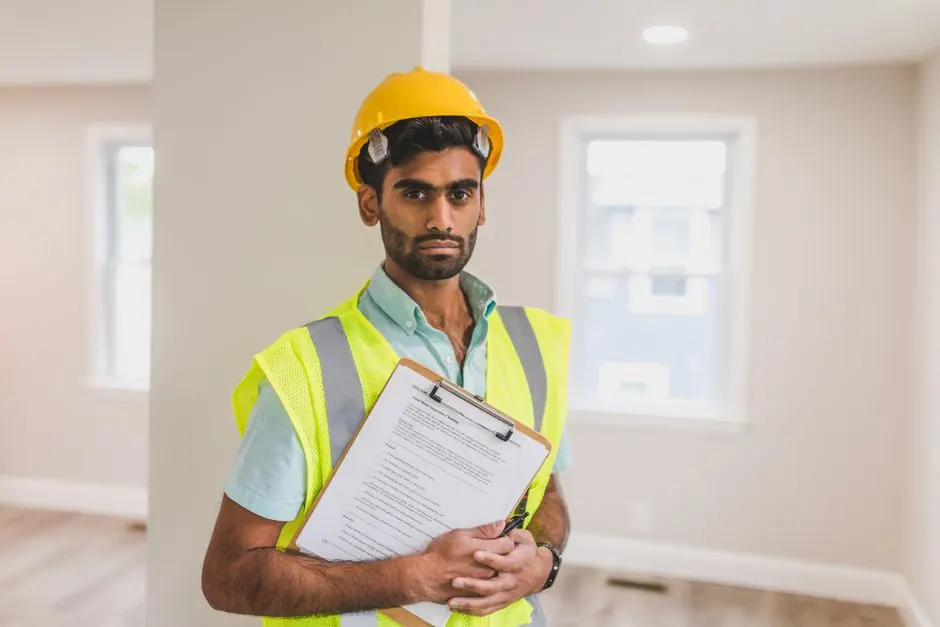
Before you hire anyone to dry out your home, verify four things: a current Florida license or registration, general liability and workers' comp insurance, IICRC certifications for the technicians who will actually be on site, and a written scope that names drying targets and equipment counts. Those four checks separate a legitimate water damage pro from a guy with a shop vac and a dehumidifier. This guide walks through each one, plus the Homestead-specific details that matter here - from 1950s Redland-area slab homes to newer builds off SW 152nd Avenue - so you can hire with confidence after the next storm, pipe burst, or AC overflow.
What Homestead homeowners should check before hiring a water damage pro
Water damage restoration is the process of extracting standing water, drying structural materials to a documented moisture target, and treating affected areas to prevent mold growth - usually within 24 to 72 hours of the initial leak. In Homestead, that window matters more than in most of Florida because our summer humidity sits between 75% and 90% for months, and mold can colonize wet drywall in as little as 48 hours.
The single most important check is whether the company can show you, on paper, that they're licensed and insured to do this work in Miami-Dade County. The second is whether the technicians who show up at your door are IICRC-certified - not just the owner whose name is on the truck. Everything else on this list flows from those two facts.
If you want a baseline for what legitimate Water Damage Restoration Homestead FL looks like, start by comparing any company you're considering against a provider that publishes its credentials, its process, and its pricing structure up front.
Verify the license, insurance, and IICRC credentials
Florida does not issue a single statewide "water damage restoration" license. Instead, restoration companies operate under one of several license types - mold remediation (MRSA), general contractor (CGC/CBC), or plumbing (CFC) - depending on the scope of work. Any company doing structural repairs beyond drying needs a Florida DBPR-issued contractor license you can look up by license number at MyFloridaLicense.com.
Ask for three documents before work starts:
- Certificate of insurance showing general liability of at least $1 million and active workers' compensation. If a technician gets hurt in your attic, that policy - not your homeowner's insurance - should respond.
- IICRC certifications for Water Damage Restoration Technician (WRT) and Applied Structural Drying (ASD). These are the industry-standard credentials, and they expire if not renewed every two years.
- Mold remediation license if the job involves visible mold or more than 10 square feet of contaminated material. In Florida, that's a legal requirement, not a nice-to-have.
We see this every week in Homestead - a homeowner calls us after a cheaper crew left wet baseboards behind because they never pulled the moisture meter out of the truck. For residential jobs, our team handles Residential Water Damage Restoration Homestead FL with the same documentation we'd use on a commercial loss: daily moisture readings, equipment logs, and photo records you can hand to your adjuster.
Ask how they find hidden moisture - not just visible water
A shop vac removes the water you can see. A professional removes the water you can't. The difference is instrumentation, and it's the fastest way to tell a real restoration company from a cleanup crew.
Every legitimate water damage pro in Homestead should arrive with at least four tools:
- Pin-type and pinless moisture meters to read moisture content in drywall, subfloor, and framing. Normal drywall reads 0.5% to 1% on a pin meter; anything above 15% needs drying.
- Thermal imaging camera to spot cool pockets behind walls where water has traveled but hasn't stained the paint yet.
- Thermo-hygrometer to measure ambient temperature and relative humidity so drying calculations are based on real numbers, not guesses.
- Borescope or inspection camera for looking inside wall cavities without cutting exploratory holes.
If a company shows up with only a wet-vac and a fan, they are not doing restoration - they're doing cleanup, and you'll be paying for the difference in mold remediation six weeks from now. Ask directly: "What moisture target will you dry my walls to, and how will you prove it?" A good answer names a specific number, usually 12% to 15% moisture content on a calibrated meter, and commits to daily readings.
We use Moisture Detection for Water Damage Homestead FL on every job, including the ones where the homeowner is sure the leak is "just in one spot." It almost never is.
Get a written scope with drying targets and equipment counts
Verbal estimates are how homeowners get surprised. A written scope should state, in plain numbers, exactly what equipment goes in your home, for how many days, and what the drying goal is.
Here's what a real scope for a 400-square-foot affected area looks like in 2026 pricing in Homestead:
- Water extraction: $150 to $400 depending on water category and volume
- Air movers: 4 to 8 units at $30 to $50 per unit per day
- Dehumidifiers: 1 to 2 LGR units at $75 to $125 per unit per day
- Antimicrobial application: $0.25 to $0.50 per square foot
- Daily monitoring visits: $50 to $100 each, typically 3 to 5 visits
- Total typical residential job: $1,800 to $4,500 for a category 1 loss
Category 2 (gray water from a washing machine or dishwasher) and category 3 (black water from a toilet or sewage backup) jobs cost more because they require removal of contaminated materials. Expect $4,500 to $9,000 for a category 3 loss in a typical Homestead home.
If a company won't put equipment counts and drying targets in writing, that's your answer. Move on.
What should a water damage restoration estimate include in Homestead FL?
A complete Homestead water damage estimate includes six line items: extraction, equipment rental by the day, antimicrobial treatment, daily monitoring, any demolition required to access wet materials, and a clear statement of what the homeowner's insurance will and won't cover. Anything less is a quote, not an estimate.
Two Homestead-specific items belong on every estimate. First, slab-on-grade drying - most homes built here before 1995 sit directly on concrete, and water that wicks under the slab takes longer to dry than a raised foundation. Second, post-storm humidity load - after a tropical system moves through, ambient humidity can stay above 80% for a week, which slows drying and requires more dehumidification capacity.
Ask the estimator to walk you through how they'll handle both. If they look confused, they don't work in South Florida often enough.
For storm-driven losses, the scope should also include debris removal and a plan for Storm Water Damage Cleanup Homestead FL that accounts for the possibility of a second rain event during the drying period. We build that contingency into every hurricane-season estimate.
Check reviews for Homestead-specific problems, not generic praise
Five-star reviews that say "great service, very professional" tell you nothing. Reviews that mention specific Homestead problems - a slab leak on a 1970s home off Krome Avenue, a hurricane claim denied then appealed, a mold issue in a garage-turned-apartment - tell you the company actually works here.
Read for these signals:
- Mentions of specific neighborhoods: Redland, Florida City, Leisure City, Naranja, Homestead Air Reserve Base housing
- References to insurance carriers by name, especially Florida-based ones like Citizens or Heritage
- Timelines: "arrived within 90 minutes," "dried in four days," "monitoring reports every morning"
- Follow-up: did the company come back if moisture readings spiked?
Skip past the 5-star reviews and read the 3-star ones first. How a company responds to a complaint tells you more about their operation than a hundred perfect ratings.
Common mistakes homeowners make when hiring a water damage pro
The most expensive mistake is hiring the first company that shows up - usually a storm-chaser with out-of-state plates who disappears once the check clears. The second is letting a contractor start demolition before your insurance adjuster has seen the damage.
Here's what we see go wrong most often in Homestead:
- Not documenting before cleanup. Take photos and video of standing water, damaged belongings, and the source of the leak before anyone touches anything. Your adjuster needs that record.
- Accepting a verbal scope. If it isn't written, it isn't enforceable. Get equipment counts, drying days, and dollar amounts on paper.
- Skipping the moisture check after drying. A floor that feels dry to the touch can still read 20% moisture content. Insist on final readings before the equipment leaves.
- Paying the full balance up front. A deposit of 10% to 30% is normal. Full payment before work is complete is not.
- Ignoring the crawl space. Water that drains into a crawl space will keep feeding humidity into the house for months. It has to be dried too.
That last one catches a lot of Homestead homeowners. If your home has a raised foundation or a crawl space, ask specifically how the company plans to handle Crawl Space Water Removal Homestead FL - because if they don't mention it, they probably won't do it.
When to call a professional
Call a professional the moment water touches anything beyond a bath mat. That means: any standing water more than a quarter-inch deep, any water that has soaked into drywall or baseboards, any leak that's been running for more than an hour, and any water that smells or looks cloudy.
You can handle a small spill with towels and a fan. You cannot handle a slab leak, a burst supply line, or a storm surge that pushed water under your door. Those require extraction equipment, commercial dehumidification, and moisture verification that a homeowner simply doesn't have access to.
If you're not sure whether your situation qualifies, call us and describe it. Homestead Water Damage Pros will tell you honestly whether you need us or whether a fan and a shop vac will do. We'd rather lose a small job than have you call back in three weeks with a mold problem.
Frequently Asked Questions
What should I check before hiring a water damage pro in Homestead?
Check four things: a current Florida DBPR license or mold remediation (MRSA) license, a certificate of insurance showing at least $1 million general liability plus workers' comp, IICRC WRT and ASD certifications for the on-site technicians, and a written scope with equipment counts and drying targets. Ask for all four in writing before any work begins.
How do I choose a water damage restoration company in Homestead FL?
Choose a company that works in Homestead year-round, not a storm-chaser. Verify they know slab-on-grade drying, carry enough dehumidification capacity for South Florida humidity, and can provide daily moisture readings. Ask for two local references from the past six months and call them.
Are water damage restoration companies licensed in Homestead?
Florida doesn't issue a single "water damage restoration" license. Companies operate under a mold remediation license (MRSA), a general contractor license (CGC/CBC), or a plumbing license (CFC) depending on scope. Any company doing structural repair or mold work must hold the appropriate DBPR license, verifiable at MyFloridaLicense.com.
What questions should I ask a water damage company in Homestead?
Ask: What moisture target will you dry my walls to? How many air movers and dehumidifiers will you place, and for how many days? Do you provide daily monitoring reports? What's your IICRC certification number? Are you licensed for mold remediation? Will you bill my insurance directly or do I pay and get reimbursed?
How long does water damage restoration take in Homestead?
Typical residential jobs take 3 to 5 days of active drying, plus a final verification visit. Category 3 losses or jobs involving slab drying can run 7 to 10 days. If a company promises one-day drying, they're either not measuring moisture or not drying to standard.
Get help with Water Damage Restoration in Homestead
If you've got water where it shouldn't be, call us before it becomes a mold problem. We'll tell you exactly what we'd check, what it costs, and how long it takes - no pressure, no upsell.
Call Homestead Water Damage Pros at (786) 982-0231.