Local GuidesRepair Tips
Signs of hidden water damage behind walls in Florida City homes
Musty odors, soft drywall, and rising water bills are the first clues. Here are the real signs of hidden water damage behind walls in Florida City homes.
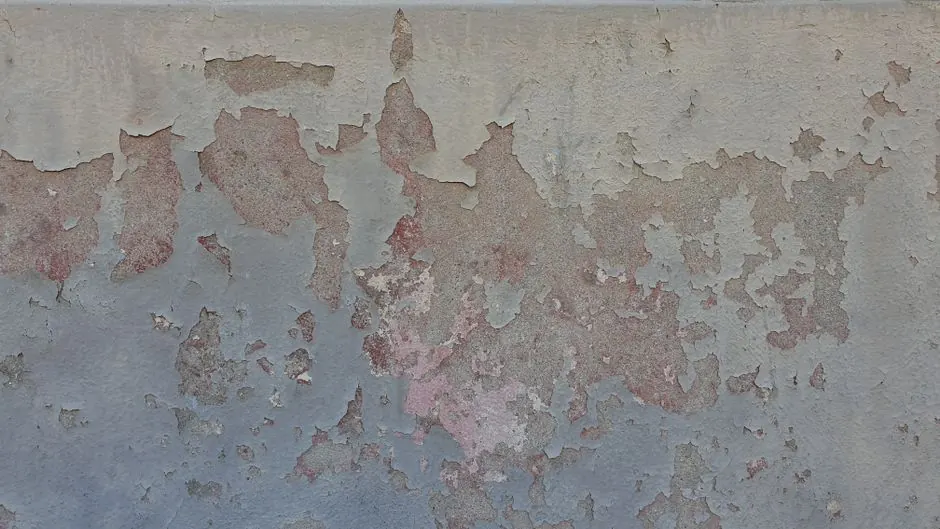
The signs of hidden water damage behind walls in Florida City homes are almost always one of five things: a musty smell that will not go away, drywall that feels soft or cool to the touch, paint that bubbles or peels in a patch, a baseboard that swells away from the wall, or a water bill that climbs with no change in how you use water. Any one of those means moisture is sitting inside a wall cavity right now, and it will not dry out on its own in South Florida humidity. The rest of this post walks through the specific signs we look for, how we detect hidden water damage in Homestead FL without ripping your house apart, and what repairs run in 2026.
We are Homestead Water Damage Pros, and we do this work every week in Florida City, Redland, and the neighborhoods off Krome Avenue. If you are reading this because something in your house feels off, trust that instinct. Water behind drywall rarely announces itself loudly. It whispers.
What hidden water damage behind walls actually looks like
Hidden water damage behind walls is moisture that has entered a wall cavity from a supply line, drain line, roof, window, or exterior crack and has not dried out, which lets it rot framing, dissolve drywall paper, and feed mold. It is different from a visible leak you can see dripping. The water is inside the assembly, between the drywall and the exterior sheathing, and it stays there.
In a Florida City home, that cavity is a terrible place for water to sit. Interior air conditioning keeps the inside of the wall cooler than the outside, so humid outside air that gets in through a crack condenses on the cool surfaces. You end up with a wet wall that never had a visible drip. We have pulled drywall off walls in Florida City where the studs were black with mold and the homeowner never saw a single drop of water.
That is why the signs matter more than the leak itself. The leak may be the size of a pinhole. The damage it causes over six months is not.
The 7 signs Florida City homeowners miss most often
These are the clues we hear about most often when a homeowner finally calls us, usually weeks or months after the first one showed up. Run through them room by room.
- Musty or earthy smell in one room. If a bedroom or hallway smells like a wet basement and the smell gets stronger when the AC runs, moisture is in the wall. Air moving through the return pulls that smell out of the cavity.
- Drywall that feels cool or soft. Press the flat of your hand against the wall. A dry wall feels room temperature and firm. A wet wall feels cool and gives slightly under pressure. Tap it with your knuckle. A dull thud instead of a sharp knock means the paper is saturated.
- Paint bubbling, peeling, or chalking in a patch. Water vapor pushes paint off the drywall from behind. You get a blister, then a peel, then a chalky residue. This is one of the most reliable signs of water damage behind walls in Homestead FL, and it usually shows up 6 to 12 inches above the baseboard.
- Baseboards pulling away or swelling. MDF baseboard swells when it absorbs water and never goes back to its original shape. If a section of baseboard is separated from the wall by a quarter inch or more, that wall is wet.
- Warped or cupped flooring near a wall. Hardwood and laminate cup at the edges first. Tile feels loose underfoot. The subfloor is almost always wetter than the surface you are standing on.
- Water bill jumped with no explanation. A toilet running or a sprinkler head broken will show up too, but a 20 to 30 percent jump in a month with no other change is a classic hidden leak signal. Check the meter at night with everything off. If the dial is still moving, water is going somewhere.
- Mold spots on the wall or in the closet corner. Small dark speckles near the ceiling line, in a closet, or behind furniture are mold growing on a damp surface. Where you see mold on the surface, the wall behind it is wetter.
One sign alone is worth a look. Two signs in the same room is a call.
Why Florida City homes hide leaks so well
Florida City sits on the edge of the Everglades, and the conditions here are close to ideal for hidden moisture. Relative humidity runs 70 to 80 percent most of the year. Afternoon thunderstorms dump an inch of rain in 30 minutes and then the sun comes back out. That cycle repeats from May through October.
Older homes in the Florida City and Redland area were built with block and stucco exteriors, flat or low-slope roofs, and plumbing that has been in the ground for decades. Stucco cracks. Flat roofs pond. Copper and galvanized supply lines pinhole. When a supply line pinholes inside a block wall, the water wicks into the block and stays there. Block does not dry fast. It holds moisture for weeks.
The other factor is the AC. A Florida City house runs its air conditioner 9 to 10 months a year. That constant cool interior surface pulls moisture out of the air and into any wall that has a path to the outside. A wall that would dry out in a week in a drier climate stays wet here indefinitely.
We also see this in the commercial buildings along US-1 and in the older residential pockets near the Florida Pioneer Museum. Same problem, different scale. For business owners, the fix is often the same as it is at home: find the source, dry the cavity, repair the wall. If you own a storefront or office, our Commercial Water Damage Restoration Homestead FL team handles the after-hours work so you do not lose a day of business.
How to detect hidden water damage in Homestead FL without tearing out drywall
You do not have to cut open a wall to find out if it is wet. Modern moisture detection reads through drywall, tile, and stucco. Here is the order we work in.
Step 1: Pin-type and pinless moisture meters
A pinless meter scans the surface of the drywall and reads moisture content through it. A pin-type meter gives a direct reading by touching the surface with two probes. We use both. A drywall reading above 16 percent moisture content is wet. Above 20 percent is actively wet and needs drying. We map the readings on a grid so we know exactly how far the moisture has spread.
Step 2: Thermal imaging
An infrared camera shows temperature differences across the wall. Evaporating water cools the surface, so a wet patch shows up as a cool spot on the screen. Thermal imaging finds the leak path. The moisture meter confirms it. Together they tell us whether we are looking at a 2-foot patch or a 10-foot wall.
Step 3: Pinpoint the source
Once we know where the moisture is, we find where it is coming from. That could be a supply line, a drain line, a roof penetration, a window flashing failure, or a stucco crack. We pressure-test supply lines and camera drain lines when the pattern suggests it. We do not guess. If you want the full breakdown of how we run this, our Moisture Detection for Water Damage Homestead FL page walks through the equipment and what each reading means.
Step 4: Dry the cavity, not just the room
This is where most DIY attempts fail. A fan blowing on the wall does not dry the inside of the cavity. We set up drying equipment that pulls air through the wall assembly. That usually means a small access hole, injection drying ports, or in some cases removing a section of baseboard and drywall to open the cavity. We use Structural Drying Services Homestead FL to bring the moisture content back under 12 percent before we close anything up. If we close the wall wet, the mold comes back in three weeks.
What to watch out for: mistakes that turn a small leak into a big bill
The difference between a $900 repair and a $9,000 repair is almost always time and one bad decision. These are the ones we see most.
- Painting over the stain. Kilz and stain-blocking primer hide the evidence, not the water. The drywall keeps absorbing moisture and the mold keeps growing behind the fresh paint.
- Running a box fan and calling it dried. A box fan moves air across the surface. It does not pull moisture out of the wall cavity. You need airflow through the assembly and a dehumidifier to remove the water from the air.
- Ignoring a small roof leak because it only drips during big storms. That drip is running down the inside of the wall every time it rains. Over a wet season, that is a lot of water. Our Roof Leak Water Extraction Homestead FL team sees this constantly after summer storms.
- Waiting for the smell to go away. It will not. Musty smell means active microbial growth. It gets worse, not better.
- Assuming insurance will cover it later. Most policies give you a window to report and mitigate. If you wait three months, the adjuster can argue the damage was preventable.
One more: do not assume the leak is where the stain is. Water travels along framing and shows up 8 to 10 feet from the actual source. We have found roof leaks that showed up as a stain on an interior hallway wall two rooms away.
Hidden water damage repair cost in Homestead
Typical 2026 pricing in this area runs $1,200 to $3,500 for a single-wall hidden leak with drying, and $4,000 to $9,000 when mold remediation and drywall replacement are involved. The variables are how long the water has been sitting, how far it spread, and whether mold has taken hold.
Here is a rough breakdown of what drives the number:
- Moisture detection and leak location: $250 to $500. Includes thermal imaging, meter mapping, and pressure testing.
- Structural drying: $800 to $2,000 for a single wall cavity, 3 to 5 days of equipment on site.
- Mold remediation: $1,500 to $4,000 for a contained area under 100 square feet.
- Drywall and paint repair: $400 to $1,200 per wall, depending on texture match and whether the baseboard has to be replaced.
- Source repair: varies. A pinhole supply line is a few hundred dollars. A slab leak is a different conversation.
We give you the number before we start. No surprise line items at the end.
When to call a professional
Call us when you have two or more signs in the same room, when you can smell mustiness but cannot see water, when a water bill jumps more than 20 percent, or when you see mold on a wall or baseboard. Those are the situations where a moisture meter and a thermal camera will save you thousands over guessing.
Our team at Homestead Water Damage Pros handles the whole job: find the leak, dry the cavity, treat any mold, and put the wall back together. We work in Florida City, Homestead, Redland, and the surrounding South Miami-Dade area. If you are not sure whether what you are seeing is a real problem, we will come out and tell you honestly. Sometimes it is a $300 fix. Sometimes it is nothing. We would rather you know.
Frequently Asked Questions
What are the signs of hidden water damage behind walls in Homestead?
The most reliable signs are a musty smell that will not clear, drywall that feels cool or soft, paint bubbling in a patch, baseboards swelling away from the wall, and a water bill that jumps 20 percent or more with no change in use. Any two together mean the wall is wet.
How do I detect hidden water damage in my Homestead home?
Start with your senses: smell each room, press the drywall, and check baseboards and flooring near exterior walls. Then check your water meter at night with everything off. If it still moves, you have a hidden leak. A professional moisture meter and thermal camera confirm exactly where.
Who does moisture detection near me in Homestead FL?
Homestead Water Damage Pros performs moisture detection for water damage across Homestead, Florida City, and Redland. We use pinless and pin-type meters plus infrared thermal imaging to map moisture through drywall, tile, and stucco without tearing your walls open.
Can hidden water damage cause mold in Homestead homes?
Yes, and it usually does. Mold needs moisture and 24 to 48 hours to start growing. In South Florida humidity, a wet wall cavity stays above the threshold for mold growth indefinitely. Visible mold on a wall means the cavity behind it has been wet for weeks.
How long does it take to dry a wet wall cavity?
A single wall cavity typically takes 3 to 5 days with professional drying equipment. Wider spread or multiple walls can take 7 to 10 days. We monitor moisture content daily and do not close the wall until it reads under 12 percent.
Get help with Water Damage Restoration in Homestead
If something in your house smells musty, feels damp, or just seems off, we can find out what is going on. We handle Water Damage Restoration Homestead FL from the first moisture reading to the final coat of paint.
Call Homestead Water Damage Pros at (786) 982-0231 and we will get a technician out to your Florida City or Homestead home to locate the leak and give you a straight answer.