Local GuidesPrevention Tips
How to protect your Homestead home from storm water damage
Storm-proof your Homestead home with these practical prevention tips, local cost ranges, and expert advice on when to call for water damage cleanup.
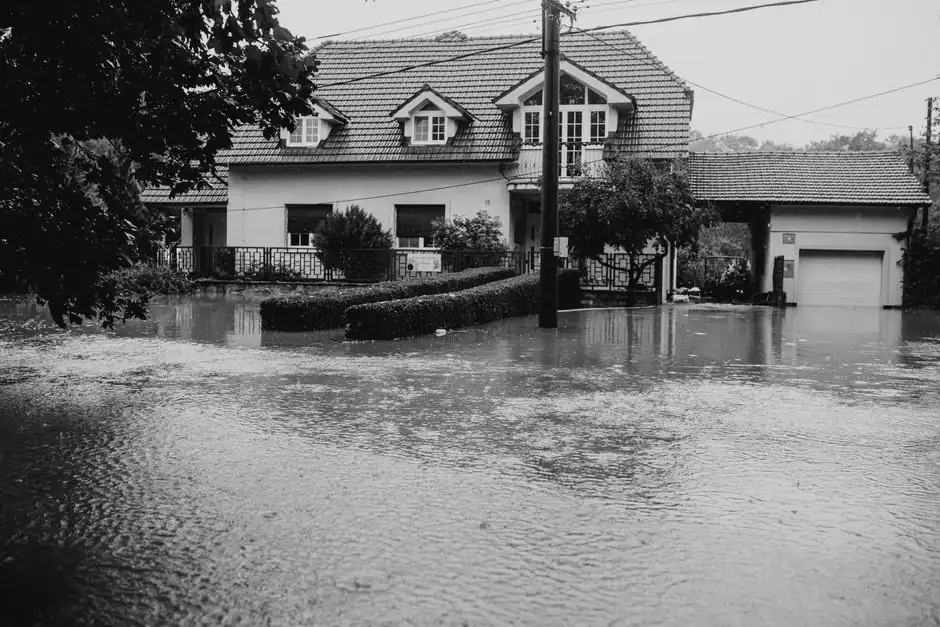
You can protect your Homestead home from storm water damage by keeping water out, moving it away fast, and drying anything that gets wet within 24 to 48 hours. That means sealing roof and window leaks, clearing drainage paths, elevating valuables, and having a professional water removal plan ready before the next named storm. This guide covers the specific risks we see in Homestead, a room-by-room prevention checklist, local cost ranges for 2026, and the mistakes that turn a small leak into a five-figure repair.
Why Homestead Homes Are at High Risk for Storm Water Damage
Homestead sits in one of the wettest, most hurricane-exposed corners of Florida, so storm water damage here is not a matter of if but when. The city averages roughly 60 inches of rain a year, and between June and November it only takes one slow-moving tropical system to drop 8 to 12 inches in a day. That volume overwhelms aging swales, flat lots, and the low spots that builders left behind in subdivisions like Keys Gate and the older blocks near downtown.
We also deal with a housing stock that spans everything from 1950s concrete-block ranches to new construction. Older homes often have original cast-iron drains, single-pane windows, and roof-to-wall junctions that have been patched a dozen times. Newer homes are tighter, which is good - until a storm pushes water through a failed window seal and it has nowhere to go but into your walls and floors. If you want the full picture of what professional help looks like, our Water Damage Restoration Homestead FL team handles everything from emergency extraction to full structural drying.
How can I protect my Homestead home from storm water damage?
You protect your Homestead home from storm water damage by controlling water at three points: the roof, the perimeter, and the interior. Roof first - missing shingles, cracked pipe boots, and clogged valleys are the number one entry point during a wind-driven rain. Walk your roofline before hurricane season and after every named storm. If you see granules in the gutters or daylight through the attic decking, that is a leak waiting for the next downpour.
Perimeter second. Homestead lots are flat, and water that cannot drain away will find your slab. Clear gutters and downspouts, extend discharge lines at least 6 feet from the foundation, and check that your yard slopes away from the house. French drains and dry wells work here, but they need to be sized for our rainfall - a 4-inch line will not keep up with a 10-inch storm.
Interior third. Know where your main water shut-off is, elevate electronics and important papers at least 12 inches off the floor, and keep a wet/dry shop vac and towels handy for the first hour. If water does get in, every minute counts. For serious intrusion, call for storm water cleanup Homestead before mold has a chance to colonize - that window is 24 to 48 hours in our humidity.
Pre-Storm Checklist for Homestead Homeowners
This is the list we run through with homeowners from April through November. It takes a weekend to complete and saves thousands in storm water damage prevention Homestead FL.
- Roof and attic: Replace missing shingles, seal pipe boots and vents, and check for water stains on the attic decking. A $300 roof repair beats a $6,000 ceiling replacement.
- Gutters and downspouts: Clean them twice a year - spring and late summer. Add extensions so water exits 6 feet from the slab.
- Windows and doors: Re-caulk around frames and install storm shutters or plywood panels. A 1/8-inch gap can let in a surprising amount of wind-driven rain.
- Yard drainage: Clear swales, French drains, and curb inlets. If your street floods during a normal afternoon storm, it will be worse during a hurricane.
- Garage and entry: Install a threshold seal or sandbag barrier if your garage sits below street level. Keep a pump on hand for the first few inches.
- Utilities: Know where the main water valve and breaker panel are. If you evacuate, shut off water at the main to prevent a burst pipe from adding to storm damage.
- Emergency kit: Flashlight, batteries, bottled water, tarps, and a list of emergency numbers - including a 24/7 restoration company.
If you run a business in Homestead, the checklist doubles. Protect inventory, servers, and electrical panels, and have a plan for Commercial Water Damage Restoration Homestead FL so you can reopen fast.
Common Mistakes That Make Storm Water Damage Worse
The biggest mistake we see is waiting to call for help because the water "doesn't look that bad." In Homestead's humidity, mold can start growing on drywall and framing within 24 hours. By the time you smell it, you are looking at a much larger bill.
Other costly errors:
- Using a shop vac on a flooded carpet. You will pull up surface water but leave the pad and subfloor soaked. That leads to delamination and warped hardwood.
- Running fans without dehumidification. Fans move air but do not remove moisture. In our climate, you need professional dehumidifiers to pull humidity below 50%.
- Not documenting before you clean up. Take photos and video of every wet item and damaged surface before you move anything. Your insurance adjuster will need them.
- Ignoring the roof. A small ceiling stain after a storm often means a roof leak that has been feeding mold in the attic for weeks.
- Assuming flood insurance covers everything. Standard homeowners policies typically exclude rising water. You need a separate flood policy through FEMA or a private carrier.
If you spot any of these signs, stop and get a professional assessment. We use Moisture Detection for Water Damage Homestead FL to find hidden saturation behind walls and under floors before it becomes a health hazard.
When to Call a Professional for Storm Water Damage
Call a professional when water has been standing for more than a few hours, when it has reached drywall or insulation, or when you see any sign of mold. Those are the three conditions that turn a DIY cleanup into a restoration project. Our team at Homestead Water Damage Pros handles emergency storm water removal Homestead FL around the clock - we extract the water, dry the structure, and document everything for your insurance claim.
We also handle the jobs that are too big for a wet/dry vac: flooded crawl spaces, saturated hardwood floors, and ceilings that have been leaking behind the paint. If you are not sure whether you need help, call us and describe what you see. We will tell you straight.
Frequently Asked Questions
How much does storm water damage cleanup cost in Homestead FL?
Typical 2026 pricing in Homestead runs $1,200 to $3,500 for a single room with minor water intrusion, and $4,000 to $12,000 or more for whole-home flooding or Category 3 water. Costs depend on square footage, water category, and how quickly you call. Most homeowners pay their deductible and insurance covers the rest.
Does insurance cover storm water damage in Homestead?
Wind-driven rain damage is usually covered by standard homeowners insurance, but rising floodwater is not - you need a separate flood policy. Document everything with photos before cleanup, and call your adjuster within 24 hours. We can provide a detailed moisture report to support your claim.
Who do I call for storm water damage in Homestead?
Call a licensed, local water damage restoration company that offers 24/7 emergency service. Homestead Water Damage Pros is based here and can be on-site within 60 to 90 minutes for most addresses in the city. We handle extraction, drying, and insurance documentation in one visit.
How long does it take to dry out a house after a storm?
Most homes take 3 to 5 days with professional air movers and dehumidifiers. Wet drywall and insulation may need to be removed and replaced, which adds 1 to 2 days. If you try to dry it with box fans, expect 2 to 3 weeks - and a high risk of mold.
Can I prevent storm water from entering my garage?
Yes. Install a threshold seal, keep the apron sloped away from the door, and use sandbags or a flood barrier if your driveway collects water. If your garage floods repeatedly, a sump pump or French drain may be the long-term fix. We can recommend the right solution after a quick inspection.
Get help with Water Damage Restoration in Homestead
Storm season does not wait, and neither should you. If water is in your home right now, call Homestead Water Damage Pros at (786) 982-0231. We answer 24/7, arrive fast, and handle everything from emergency extraction to structural drying so you can get back to normal.