Moisture readings
Daily logs with photos for your records
Bathroom Water Damage Drying Homestead FL is what we do when a toilet overflows, a supply line bursts, or a shower pan leaks into your subfloor. We pull the standing water, set drying equipment, and get your bathroom back to normal before mold takes hold. If you need bathroom water removal in Homestead tonight, we answer the phone and roll a truck.
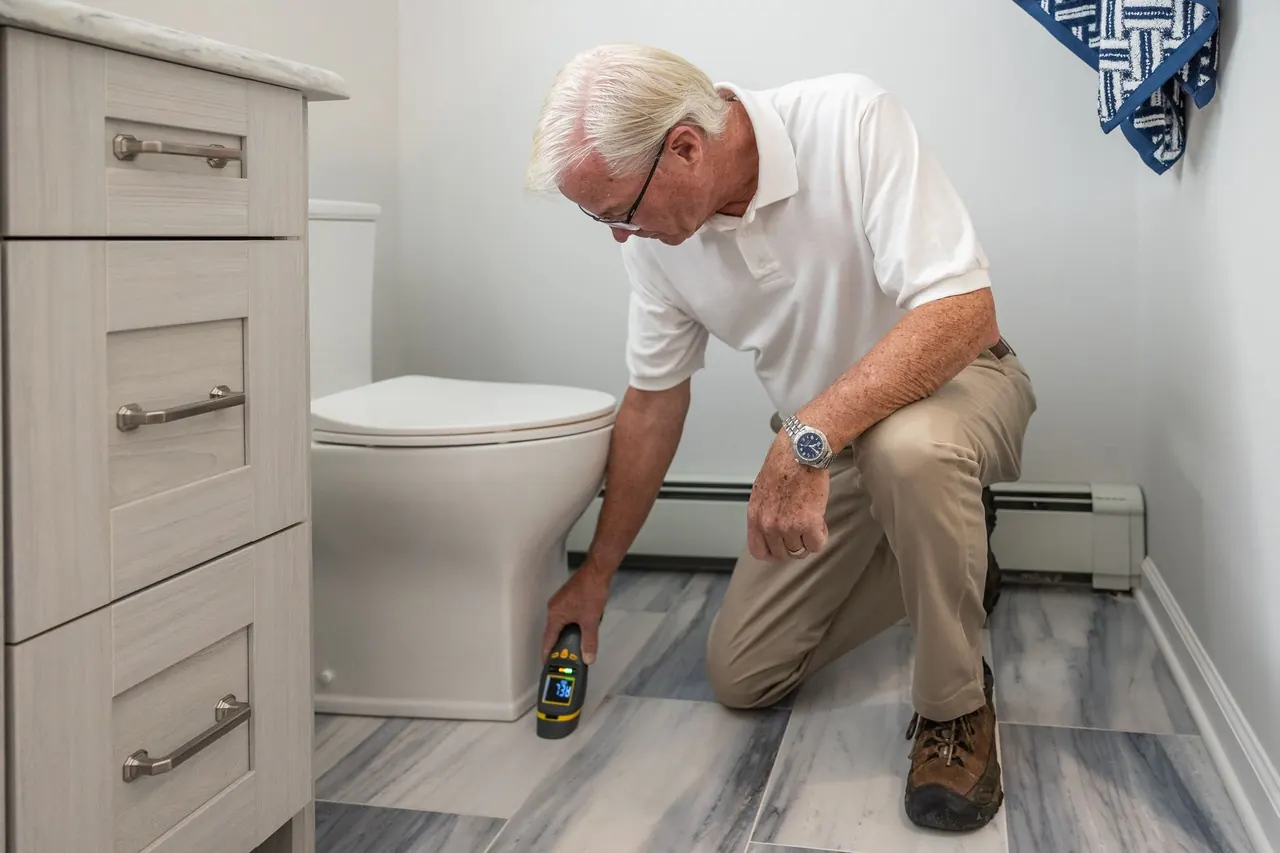
Every bathroom drying job includes the core work: water extraction, moisture mapping, equipment setup, daily monitoring, and a final dry reading. If the leak source needs a plumber or the subfloor needs replacing, we tell you up front and coordinate it. Here is what is covered.
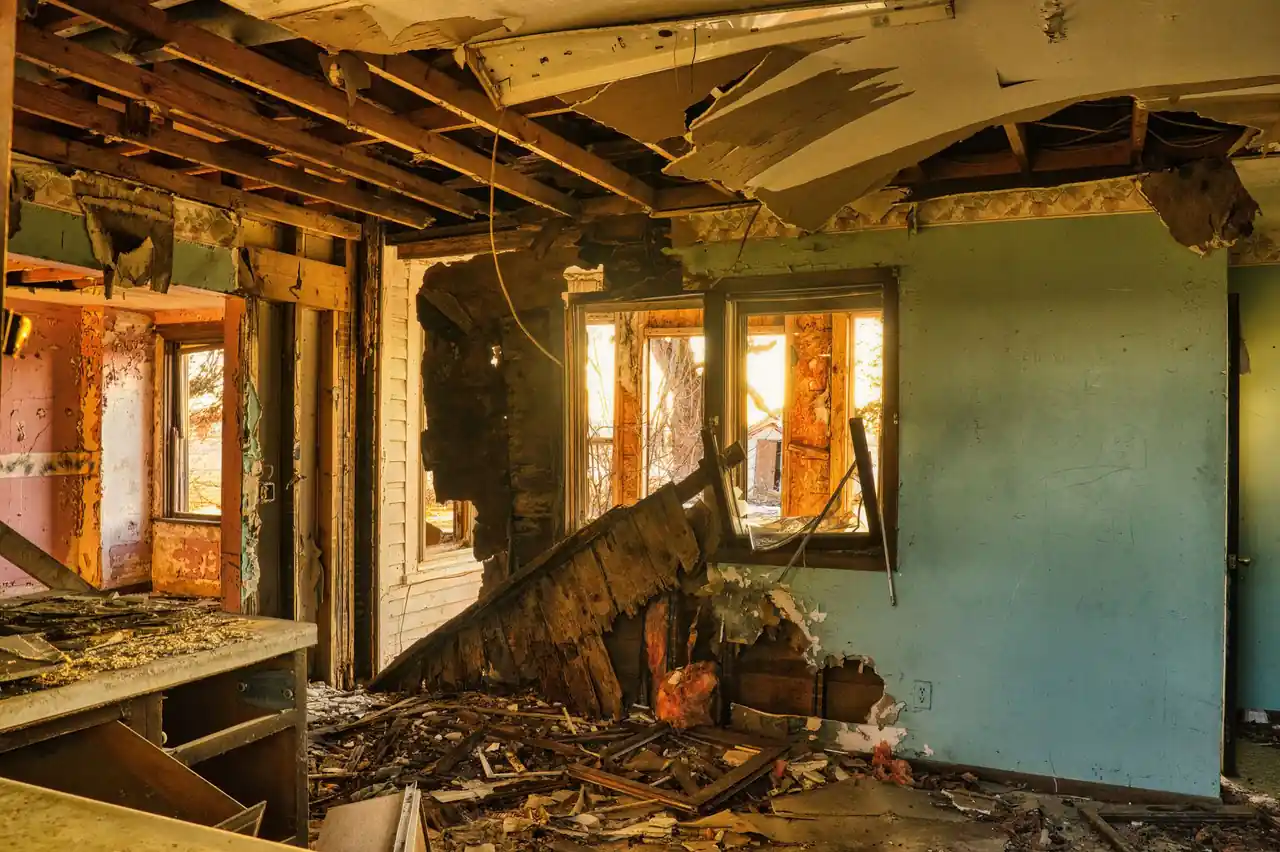
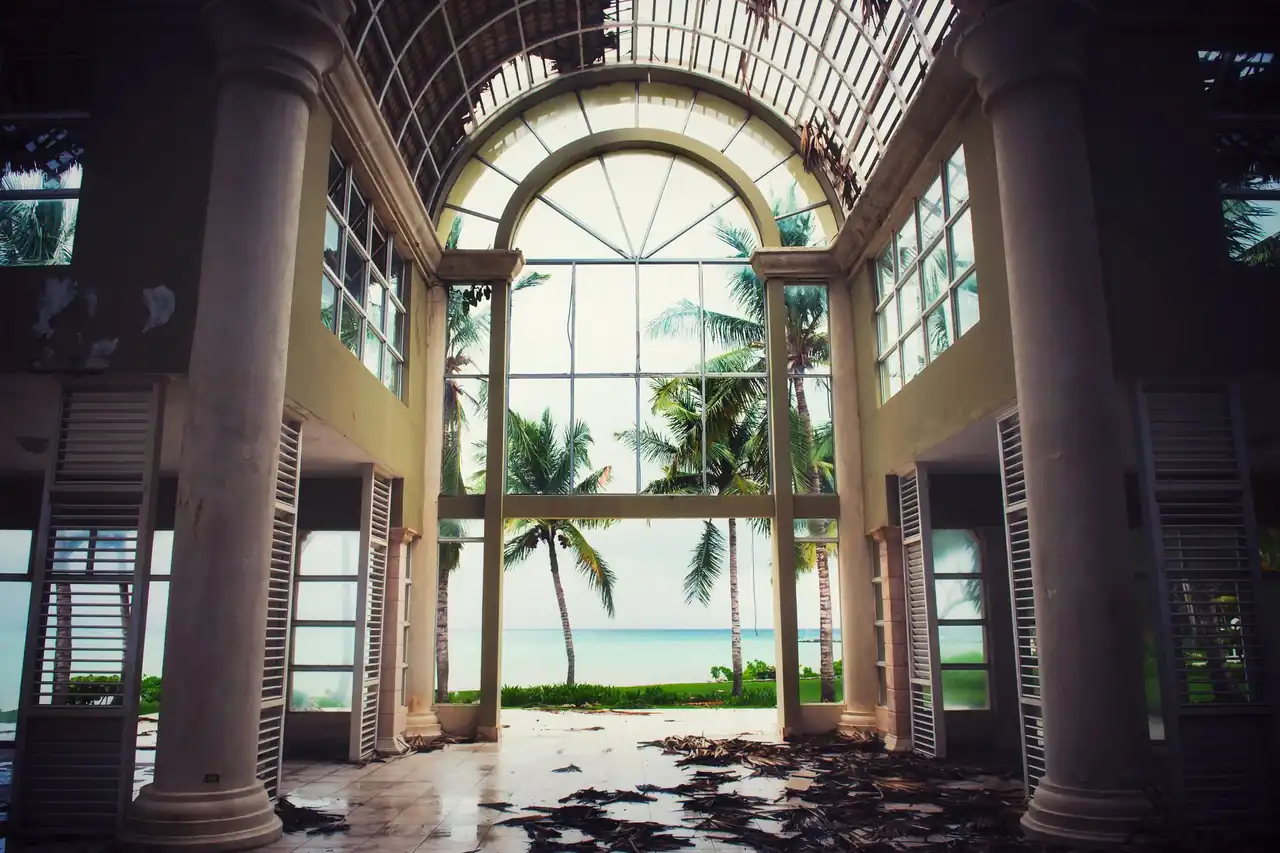
A wet bathroom in a Homestead home keeps soaking the subfloor until it is dried with real equipment. We extract the water, dry the walls and floor, and show you the readings.
A restroom leak can close a storefront or restaurant for days. We dry the space after hours so your doors stay open and your floors stay intact.
Bathroom Water Damage Drying Homestead FL is a controlled drying process that removes standing water, then pulls trapped moisture out of tile, grout, drywall, wood subfloor, and carpet padding. We start with a water extraction vacuum and a moisture meter to map how far the water traveled. From there we place a commercial dehumidifier and air movers to dry the cavity, not just the surface. Every job ends with a hygrometer reading that proves the room is back to normal moisture levels.
Most Homestead bathrooms flood for the same handful of reasons: a toilet overflow at 2 a.m., a burst pipe behind the vanity, a washing machine supply line, or a slab leak that seeps up through the tile. In a home built on a slab, water has nowhere to drain, so it wicks into the walls and the wood subfloor within hours. That is why bathroom water damage repair in Homestead has to start the same day. If you are searching for bathroom leak drying near me Homestead, call us and we will tell you exactly what to do before we arrive.
We pull the water, dry the cavity, and prove it with a meter before we leave.
Every bathroom job follows the same five steps. You will know what is happening, how long it takes, and what it costs before we start pulling equipment out of the truck.
You call, we ask three questions: where is the water, how long has it been there, and is the source still running. We walk you through shutting off the supply valve. A tech arrives in Homestead, usually within 60 to 90 minutes, and inspects the room with a moisture meter and thermal imaging camera.
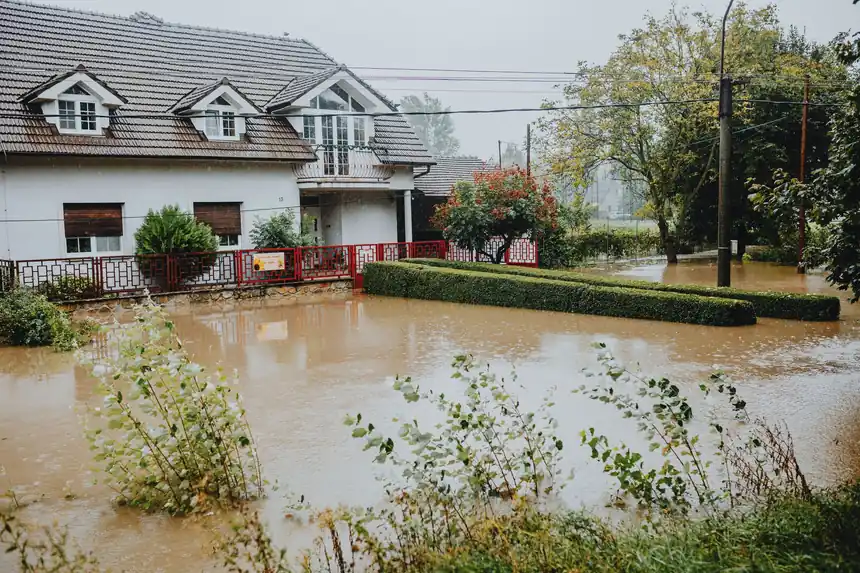
We run a water extraction vacuum across the tile, then pull the toilet if the seal failed so we can reach the wet subfloor underneath. Absorbent pads and drying mats go down on the floor. This step takes 45 minutes to two hours depending on how much water is standing.
We place a commercial dehumidifier and two to four air movers, sized to the square footage. A hygrometer tracks relative humidity in the room, and we aim to pull it under 50 percent. Equipment runs 24 hours a day for three to five days on a typical bathroom.
A tech returns each day to log moisture readings, check the dehumidifier, and adjust air mover angles. We photograph the readings and send them to you. If the wall cavity is still wet on day three, we add a desiccant or extend the run rather than guess.
We do not pull equipment until the moisture meter reads dry against a known-dry reference point in the same room. Then we remove the gear, reset the toilet, and give you a written summary of the readings. Most bathrooms are back in use the same day we pick up.
Pulls standing water off tile and grout fast, so drying equipment can start working on the subfloor instead of the surface.
Removes moisture from the air so wet materials release their water. Sized to the bathroom's cubic footage, not a one-size unit.

Move air across wet surfaces to speed evaporation. We angle them at the wall cavity and floor, and adjust them daily.
Measure moisture content in wood and relative humidity in the air. These give us the numbers that decide when the job is done.

Shows temperature differences that reveal hidden water behind tile and drywall without cutting into the wall.
Lets us look inside a wall cavity to confirm the framing is wet or dry before we close it up.
Sit flat on tile and hardwood to pull moisture out of the floor from the surface down.
We follow the IICRC S500 water damage restoration standard, which sets how we classify the water, measure moisture, and decide when materials are dry. It is the difference between guessing and knowing.
We extract the standing water, pull the toilet if the seal failed, and set a dehumidifier and air movers. We check the ceiling below if the bathroom is upstairs. The floor and subfloor dry in three to four days, and you avoid a stained ceiling and a mold problem.
We shut off the water, extract it, and open the wall cavity to dry the framing. A moisture meter tracks the wall until it reads dry. The wall cavity dries without a full tear-out, and the cabinet and drywall are saved.
We find the wet zone with a thermal imaging camera, dry the subfloor and framing, and treat the area with an antimicrobial solution. The spongy spot firms up as the subfloor dries, and mold never gets a foothold.
We extract the water from both rooms, lift the carpet, dry the padding, and dry the bathroom tile and subfloor as one job. The hallway carpet and bathroom floor dry without replacement, and the musty smell never develops.
We remove the water, dry the bathroom and hallway, and check the shared wall cavity with a moisture meter. Both rooms dry in four days, and the baseboards and drywall stay in place.
Homestead sits in Miami-Dade County, where the humidity runs high most of the year and the summer storm season dumps rain fast. That changes how a bathroom drying job runs. A wet bathroom here does not dry out on its own the way it might in a drier climate. We size dehumidifiers for the local humidity and run them longer when the outdoor air is heavy. Most homes around Downtown Homestead and Keys Gate are slab-on-grade, so water has nowhere to drain and wicks into the walls. Older homes near Historic Downtown Homestead may have lead paint, which is why we carry EPA Lead-Safe training. When you call for bathroom water damage drying in Homestead FL near me, we already know the building stock and the climate. We also handle storm surge and hurricane flooding that pushes water under bathroom doors, and we coordinate that drying with the rest of the home.
A second-floor toilet overflowed overnight and water ran through the ceiling below. The bathroom floor was soaked, the baseboard was wet, and the downstairs ceiling showed a water stain. The homeowner had towels down but the subfloor was still wet.
We extracted the water, pulled the toilet, and dried the subfloor with air movers and a dehumidifier. The moisture meter read dry on day four, and the downstairs ceiling dried without cutting it open. The stain was painted over after drying.
Check the toilet wax ring every couple of years and replace the supply line if it feels brittle. A $15 line is cheaper than a ceiling repair.
A supply line behind the vanity burst while the family was at work. Water ran for hours, soaking the cabinet, drywall, and subfloor. The baseboard was wet and the wall cavity held moisture behind the tile.
We shut off the water, extracted it, and opened the wall cavity to dry the framing. A bore scope camera confirmed the wall was dry on day three. The cabinet and drywall were saved, and we reset the baseboard after drying.
Replace braided supply lines every five years and check under the sink for drips each month. A slow drip is easy to miss until the cabinet floor swells.
A slow shower pan leak kept the subfloor wet near the drain for weeks. The tile felt spongy and the grout line had darkened. A moisture meter showed the wall cavity was wet too.
We dried the subfloor and wall cavity with a dehumidifier and air movers, and treated the framing with an antimicrobial solution. The spongy spot firmed up by day four, and the moisture readings came back to normal.
Re-caulk the shower pan edges once a year and watch for dark grout lines. Catching a slow leak early keeps the subfloor dry.
Most bathroom floods come from a short list of failures. We see them every week in Homestead, and we know how each one behaves in a slab-on-grade home.
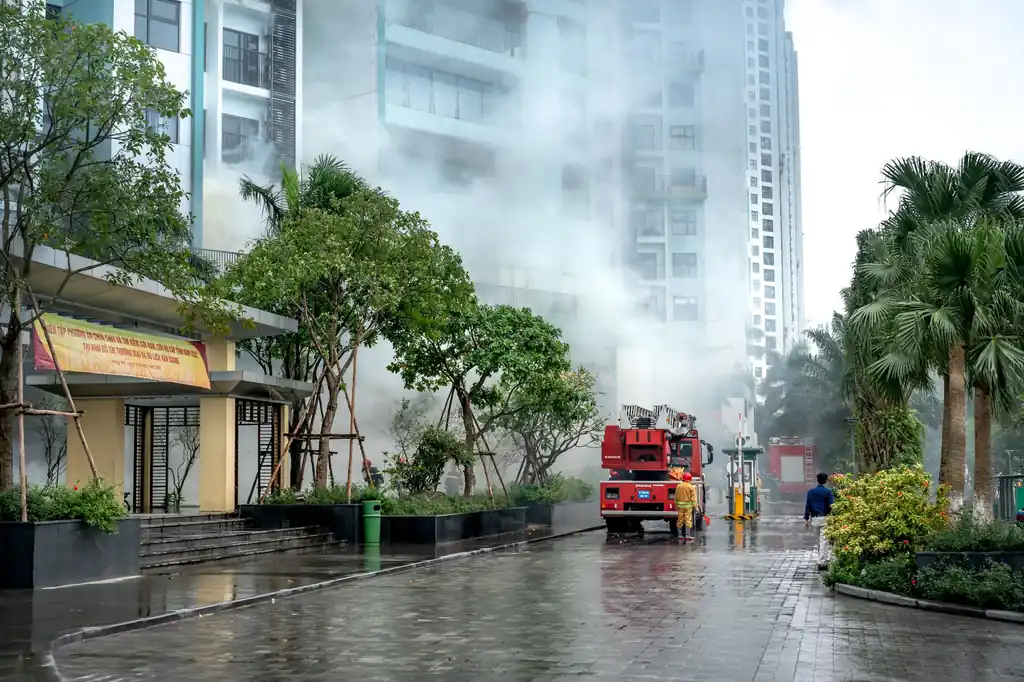
We extract the water, pull the toilet to reach the wet subfloor, dry the flange area with air movers, and reset the toilet with a new wax ring once the floor is dry. Water seeps under the tile and around the flange, swelling the subfloor and staining the ceiling below if the bathroom is upstairs.

We shut off the water, extract it, and open the wall cavity if needed to dry the framing. A bore scope camera confirms the wall is dry before we close it up. A pressurized line can dump gallons in minutes, soaking the cabinet, drywall, and subfloor before anyone notices.
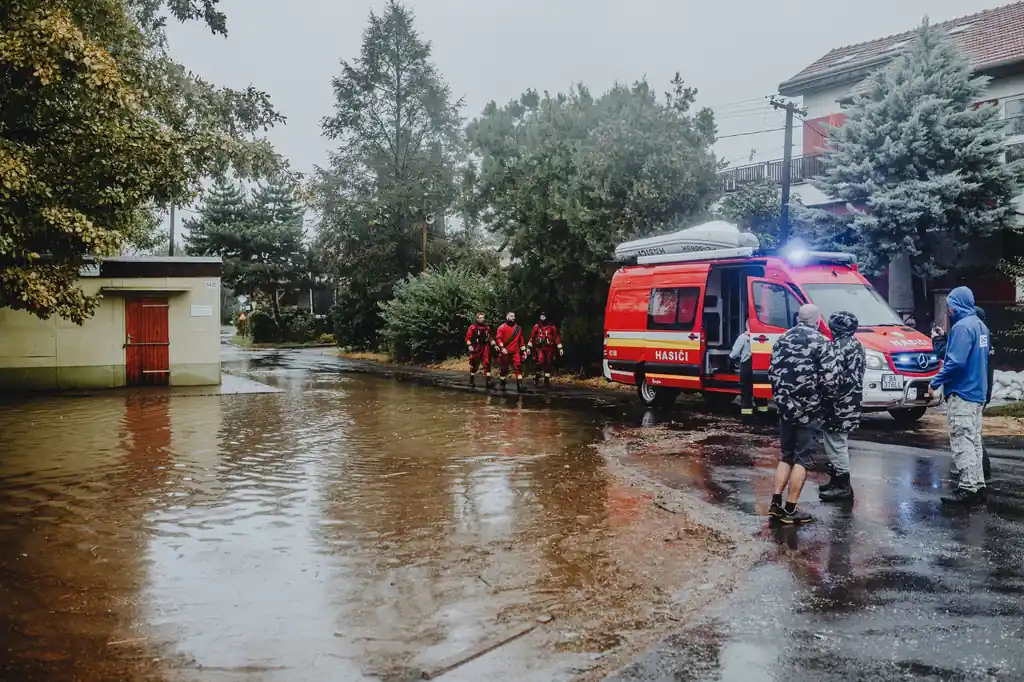
We use a moisture meter and thermal imaging camera to find the wet zone, then dry the subfloor and wall cavity with a dehumidifier and air movers. We treat the framing with an antimicrobial solution. Slow leaks behind the tile keep the subfloor wet for weeks, which leads to mold growth and a soft, spongy floor.

We map the moisture with a meter, dry the walls and floor as far as the water traveled, and coordinate with a plumber to fix the slab leak so the drying holds. Water has nowhere to drain in a slab-on-grade home, so it wicks into the walls and keeps the bathroom floor damp no matter how much you mop.
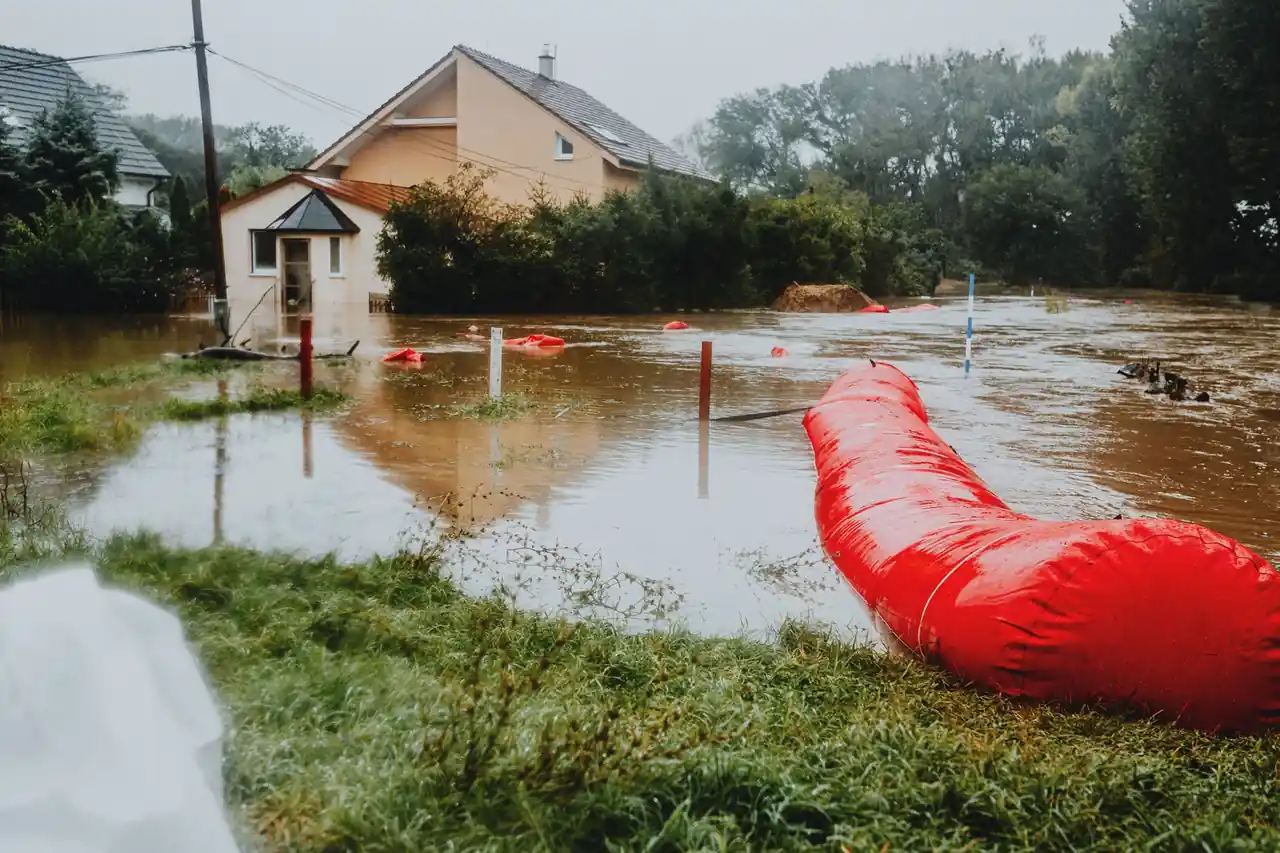
We extract the water, pull the wet baseboards, and dry the cabinets and wall cavity. Drying mats go under the appliances so the subfloor dries too. A failed hose can flood the bathroom and laundry area, running under cabinets and into the shared wall.
Mold can start growing on wet drywall in 24 to 48 hours. We extract the water, treat the framing with an antimicrobial solution, and dry the cavity below 16 percent moisture content. That is the number that keeps mold from taking root in your walls.
Wood subfloor swells and warps when it stays wet. We use a moisture meter and thermal imaging camera to find the wet zones, then dry them with air movers and a drying mat. Catching it in the first day often saves the subfloor instead of replacing it.
We document moisture readings, photos, and equipment logs in Xactimate format so your claim moves. Most bathroom water damage claims need a clear scope of work, and we hand that to your adjuster the same week.
Drying the room does not fix the source. We trace the leak with a bore scope camera and an infrared thermometer, whether it is a toilet seal, a supply line, or a shower pan. You get a dry bathroom and a clear answer on what caused it.
Typical 2026 pricing for bathroom water damage drying in Homestead runs $350 to $1,200, with most jobs landing around $650. The price depends on how much water is standing, how far it traveled, and how many days the equipment runs. We give you a price before we start, and we do not add line items later. If you need bathroom water damage repair Homestead work beyond drying, we tell you what that involves and what it costs.
What your estimate is based on
$350 - $1,200 depending on scope The cost of drying a bathroom is far less than replacing a subfloor, tearing out moldy drywall, or repairing a ceiling below. Getting the water out in the first day is what keeps the job small.
Clear records you can keep and share.
Daily logs with photos for your records
Final meter reading before equipment pickup
What we dried and what caused it
A bathroom floor can look dry while the subfloor and wall cavity stay wet for weeks. That hidden moisture is what causes mold and soft floors.
Tile dries fast, but the subfloor and wall cavity hold water much longer. We measure both before calling a bathroom dry.
Mold can start on wet drywall in 24 to 48 hours. Homestead humidity shortens that window, so drying starts the same day you call.
A box fan moves air but does not pull moisture out of wood. A commercial dehumidifier is what actually dries the subfloor.
Not sure if we cover your street? Call and ask. (786) 982-0231
Most bathroom drying jobs in Homestead run $350 to $1,200 in 2026, with the average around $650. Price depends on how much water is standing, whether we pull the toilet or open a wall, and how many days the equipment runs. A small toilet overflow that stays on the tile is at the low end. A slab leak that wicks into the subfloor and wall cavity sits at the high end.
Shut off the water source first, then get the standing water up with towels or a wet vac. Run your AC and a box fan, but know that household fans will not dry a wall cavity or subfloor. If the water came from a supply line or a toilet seal, call us. We use a commercial dehumidifier and air movers to pull moisture below 16 percent, which a box fan cannot do.
We do. Homestead Water Damage Pros covers Downtown Homestead, Keys Gate, Waterstone, The Oasis, and the surrounding Miami-Dade County area. We handle bathroom water extraction Homestead FL jobs every week, from toilet overflows to washing machine leaks. Call (786) 982-0231 and we will tell you what to do before we arrive.
Yes, and it happens fast. Mold can start on wet drywall in 24 to 48 hours, and Homestead humidity speeds that up. That is why we treat wet framing with an antimicrobial solution and dry the cavity below 16 percent moisture content. If mold is already visible, our Florida mold assessor license lets us evaluate it and recommend the right next step.
Water sitting in a bathroom gets into the subfloor within hours. We answer the phone, tell you how to stop the source, and get a tech to your door. One call and the drying starts today.
Call us any time at (786) 982-0231 or email info@homesteadwaterdamagepros.com. We answer the phone 24/7 and can usually have a crew at your door within the hour for emergencies. If you have a scheduled job or just want a quote, we will get back to you same day.